


Opening a restaurant, café, food truck, or barbecue venue involves much more than securing a location and creating a menu. While startup budgets usually account for kitchen equipment, furniture, and licensing, many new owners underestimate the ongoing operational expenses that appear once the doors open. These recurring costs can gradually reduce profit margins if they are not considered during the planning stage.
Successful food businesses often distinguish themselves not only through great food but also through efficient operations. Equipment maintenance, cleaning procedures, workflow design, and preventative upkeep all influence how smoothly a business runs. Looking beyond the initial investment helps owners prepare for the expenses that continue long after opening day.
Specialized Equipment Requires Ongoing Maintenance
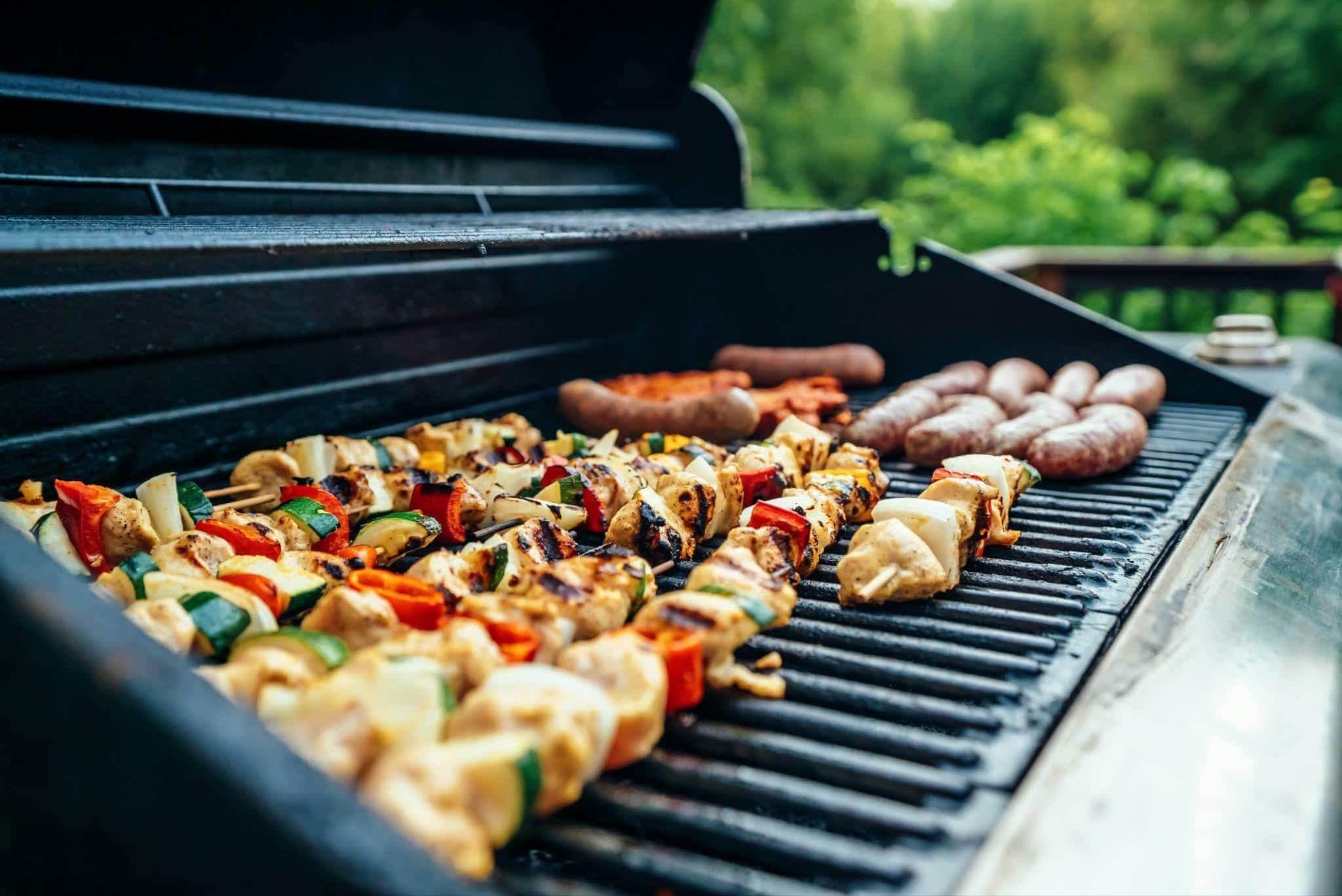
Many food concepts depend on equipment that demands regular care to perform reliably. Barbecue restaurants, smokehouses, and outdoor kitchens are good examples, as smokers, grills, and cooking accessories experience heavy use and require routine cleaning, replacement parts, and occasional upgrades.
Owners developing these types of operations often research equipment and accessories through businesses such as DDR BBQ Supply while planning kitchens that can support consistent production over the long term. Thinking beyond the initial purchase helps operators estimate future maintenance requirements and avoid unexpected interruptions caused by worn or poorly maintained equipment.
Preventative maintenance may not generate additional revenue directly, but it often reduces downtime and extends the lifespan of valuable equipment.
Floor Care Is Easy to Underestimate
Kitchen floors, dining areas, storage rooms, and service corridors experience constant foot traffic, spills, grease, and moisture. Keeping these surfaces clean requires more than routine mopping, particularly in larger commercial facilities where sanitation standards must be maintained every day.
Many operators eventually discover that commercial floor maintenance becomes an important operational expense. Businesses managing larger facilities often evaluate equipment available through www.sweepscrub.com when planning long-term cleaning strategies for hard-surface floors. Reliable cleaning equipment can improve efficiency while reducing the labor required to maintain safe and professional environments.
Well-maintained floors also contribute to customer perception, employee safety, and regulatory compliance, making floor care an investment rather than simply another operating expense.
Utility Bills Continue Long After Opening Day
Commercial kitchens consume substantial amounts of electricity, gas, and water. Refrigeration systems operate continuously, ventilation equipment runs for extended periods, and cooking appliances place heavy demands on utility services throughout the day.
These costs can fluctuate with seasonal demand, business growth, and equipment efficiency. Investing in energy-efficient appliances and maintaining equipment properly can help reduce unnecessary operating expenses over time. Even relatively small improvements in efficiency can produce meaningful savings when multiplied across an entire year of operation.
Owners who understand utility consumption early are often better prepared to manage long-term operating budgets.
Small Repairs Can Become Major Expenses
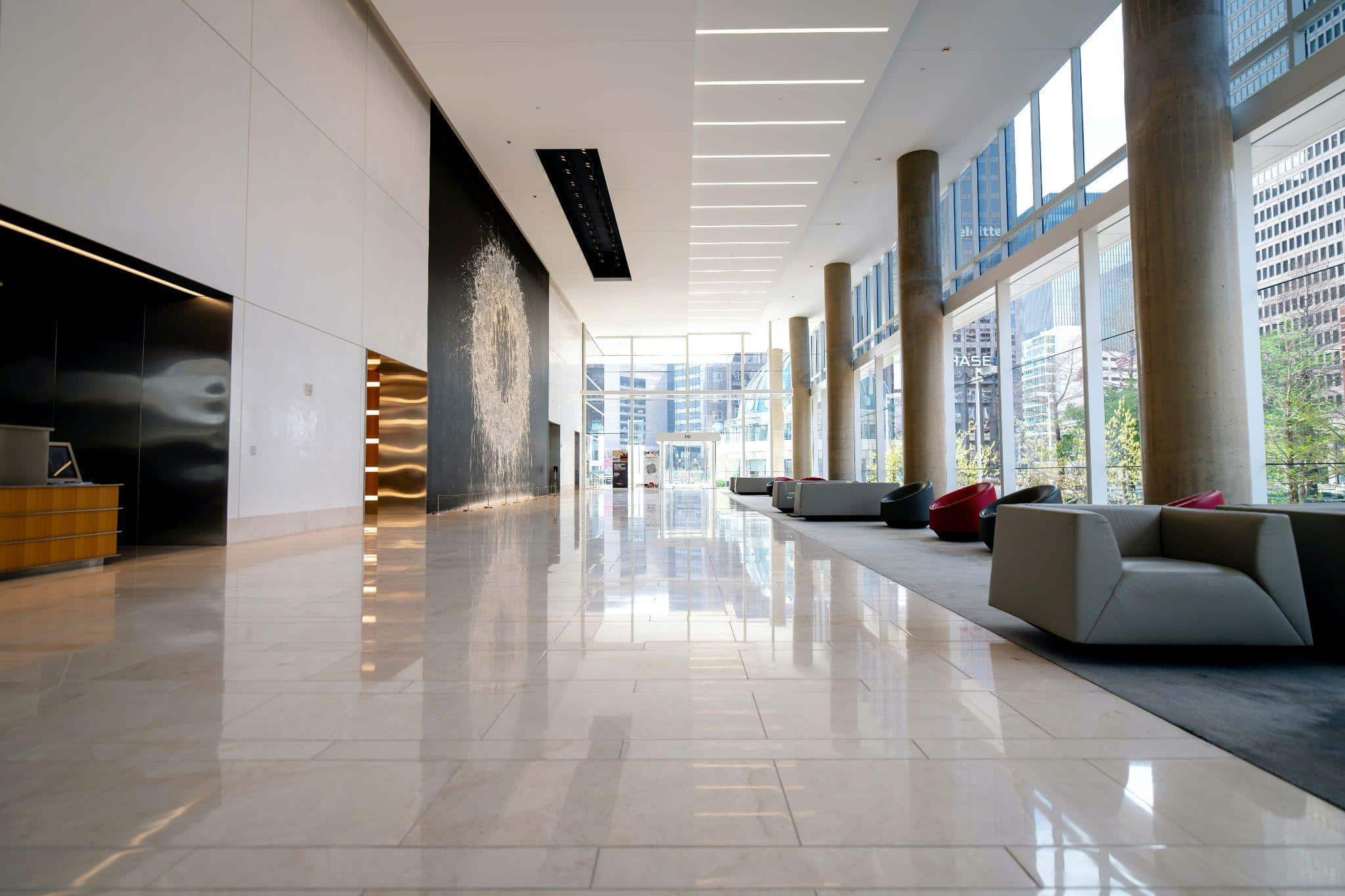
Every commercial property experiences wear over time. Door hardware loosens, plumbing fixtures require maintenance, kitchen surfaces deteriorate, and equipment components eventually wear out. While each repair may appear minor individually, together they can represent a significant portion of annual operating costs.
Creating a preventative maintenance schedule allows many issues to be addressed before they become larger and more expensive. Regular inspections also reduce the likelihood of unexpected equipment failures during busy service periods.
Businesses that plan for maintenance generally experience fewer costly surprises than those that react only after problems develop.
Staffing Efficiency Is Part of Cost Control
Labor is one of the largest ongoing expenses in the food service industry. Well-designed kitchens and organized workflows help employees complete tasks more efficiently, reducing unnecessary movement and improving productivity throughout the day.
Thoughtful equipment placement, adequate storage, and clearly defined workstations all contribute to smoother operations. Small improvements in efficiency often produce meaningful savings over time while also creating a less stressful working environment for employees.
Operational planning extends beyond staffing levels, it also includes designing systems that allow teams to work effectively every day.
Long-Term Success Depends on More Than Opening Day
Launching a food business is an exciting milestone, but long-term success depends on preparing for the expenses that continue after customers begin arriving. Equipment maintenance, commercial cleaning, utility consumption, routine repairs, and operational efficiency all influence profitability just as much as food quality and customer service.
Owners who account for these ongoing costs during the planning stage are often better positioned to build businesses that remain sustainable as they grow. Understanding the hidden costs of daily operations allows new food establishments to make smarter investments and avoid many of the financial surprises that catch first-time operators off guard.

