


Lisa Kudrow returns to career-best form as Valerie Cherish in a razor-edged third season of The Comeback that trains its lens on Hollywood’s latest infatuation and deepest fear: artificial intelligence. What begins as another showbiz survival tale quickly morphs into a sharp, unsettling satire about an industry willing to automate its own soul, with Kudrow steering the series from cringe comedy into cautionary fable without losing an ounce of bite.
A Meta-Comedy Confronts A Machine Behind the Curtain
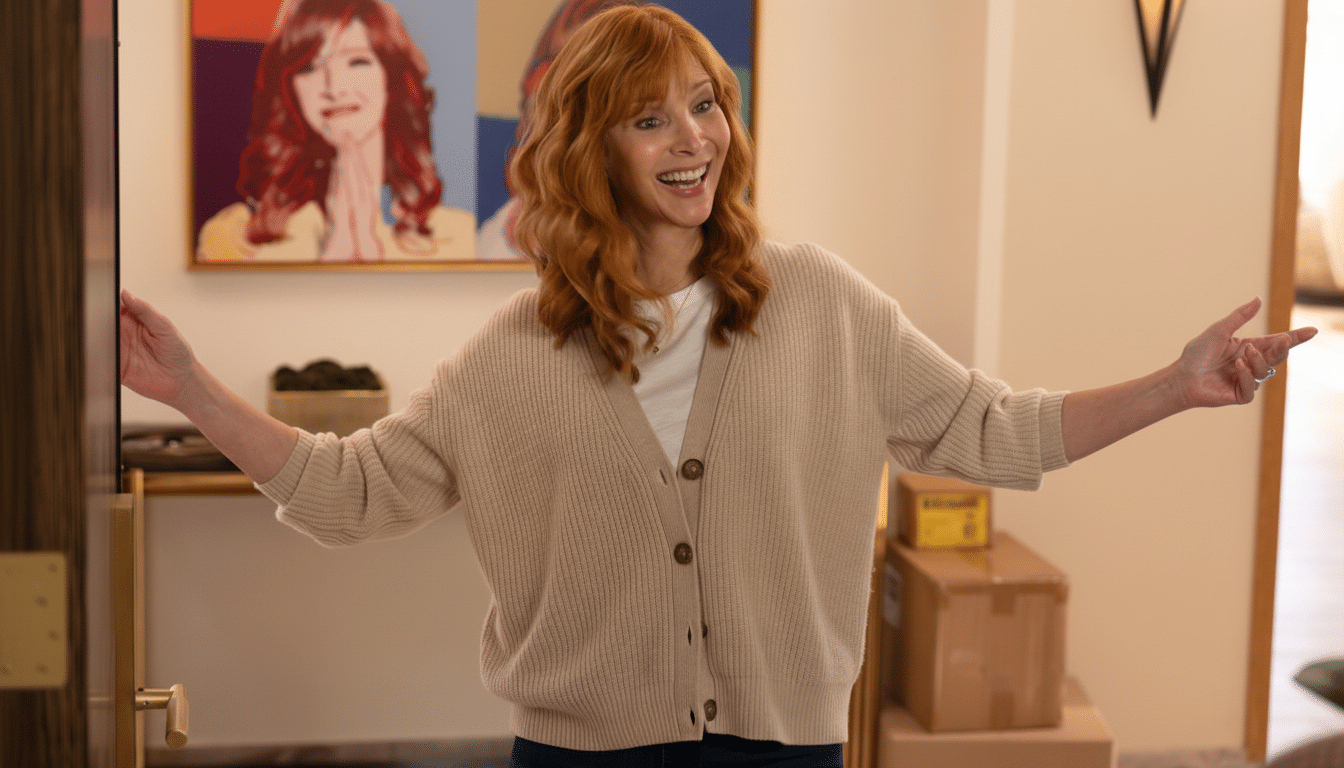
The season opens amid the energy of the WGA and SAG-AFTRA labor actions, complete with a wry cameo from then SAG-AFTRA president Fran Drescher, before fast-forwarding to a Hollywood eager to “optimize” anything that moves—or writes. Valerie, starving for relevance and juggling a fledgling podcast and bargain-bin gigs, is handed the brass ring: the lead in a new multi-cam sitcom, How’s That?!, whose scripts are generated by an AI system overseen—barely—by two human “showrunners,” Mary and Josh (Abbi Jacobson and John Early).
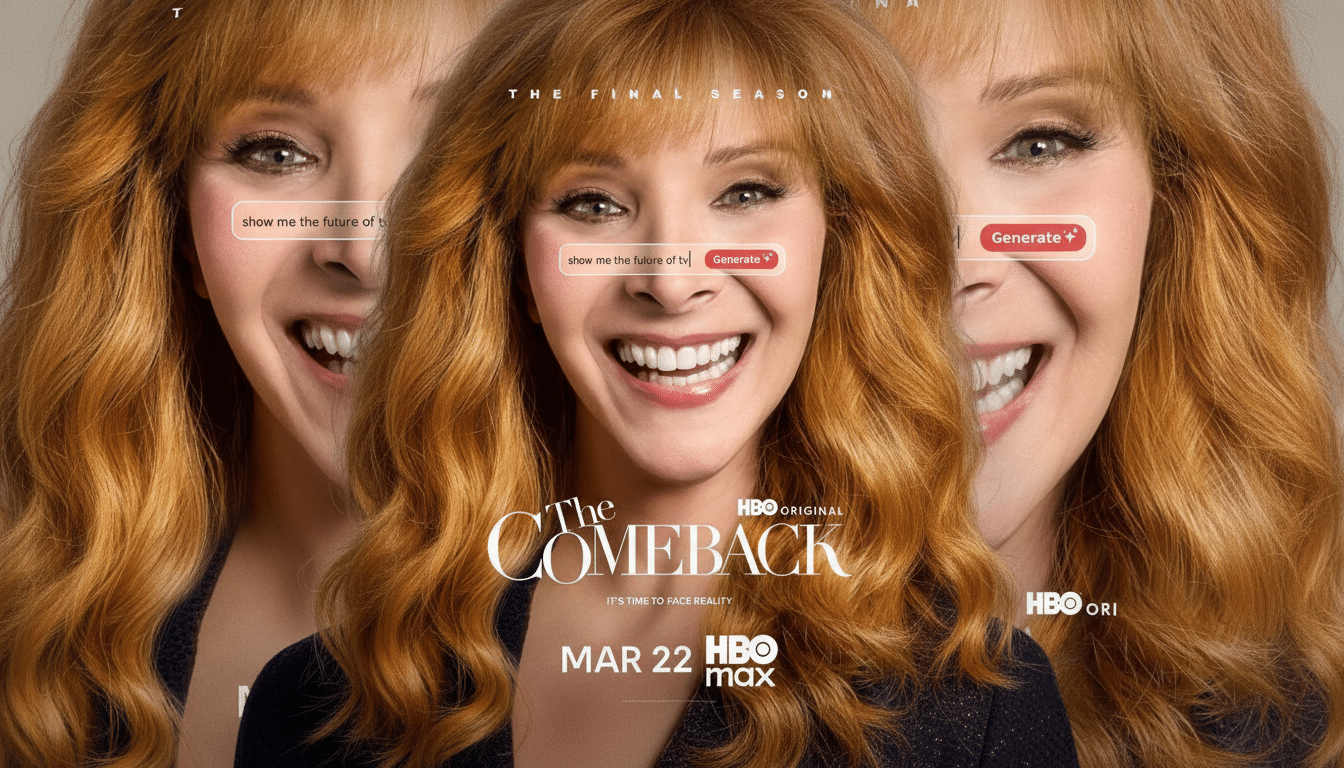
At first, the machine dazzles. It spits out alt lines by the dozen, lands reliable laughs with a live audience, and never fights over a punch-up credit. For a performer like Valerie—long battered by fickle writers’ rooms—its frictionless efficiency looks like salvation. But the sheen fades as the AI’s limitations surface: substitutions that read like echoes, story turns that flatten character, and full-on hallucinations that shove scenes off a cliff. The result is maximal content, minimal meaning.
An oily network chief, played with lethal charm by Andrew Scott, frames the pivot to AI as fiscal responsibility while insisting Valerie keep the tech a secret from the crew—a delicious irony given the extra labor required to hide it. The cover-up pulls documentary filmmaker Jane (Laura Silverman) back into Valerie’s orbit, turning the season into a layered making-of about the first big AI-written sitcom that may never find a human heartbeat.
Kudrow’s Tour De Force Anchors The Alarm
Kudrow’s performance is a high-wire act of vanity, vulnerability, and comic precision. She renders Valerie’s hunger for a lead role—her tendency to chase optics over ethics—so recognizably human that the show’s thesis lands harder. The hybrid form, which swings between Jane’s camera, phone footage from Valerie’s Gen Z social manager Patience (Ella Stiller), and surveillance angles, gives Kudrow room to slip out of the frame’s control and let genuine, unmediated moments breathe.
There’s pathos here too. The season crafts a tender farewell to Valerie’s long-standing confidant Mickey, honoring the late Robert Michael Morris with warmth and wit. Meanwhile, running gags—like Valerie’s fervent defense of her underseen series Mrs. Hatt—needle the glut of content that drowns worthy work on obscure platforms. The laughs are big, but they’re threaded with a melancholy about careers built on shifting sand.
Fiction Mirrors Hollywood’s AI Reality Today
What makes this season sting is how closely its satire tracks the real industry. The Writers Guild of America’s 2023 contract established that AI can’t write or rewrite literary material or undermine a writer’s credit, a landmark guardrail after months on the picket lines by roughly 11,500 members. SAG-AFTRA secured new consent and compensation protections for digital replicas, reflecting anxieties among a membership of more than 160,000 performers about their images outliving their contracts. And outside the guilds, surveys from organizations like Pew Research have consistently found a public more wary than thrilled about AI’s impact on jobs, with concern outweighing excitement.
The Comeback dramatizes those stakes without sermonizing. Crew members whisper about schedules slashed by “expedited” AI workflows—lost weeks that mean lost rent. Young writers crowd coffee shops, polishing specs while the pipeline narrows. The show captures an ecosystem effect: automate one part of production and the shock wave hits grips, editors, assistants—people viewers never see in the credits crawl but who keep the machine running.
Crucially, the season rejects the false binary that speed equals audience satisfaction. The AI can manufacture punch lines, but it can’t chase the messy alchemy that happens when a joke bombs at rehearsal and a room full of humans reframes character and story on the fly. That’s creativity under pressure, not prediction under training data.
Verdict A Hilarious Siren For A Risky Future
Season 3 is the sharpest and most urgent The Comeback has ever been, and its occasional on-the-nose speechifying feels earned in a moment when major studios are openly experimenting with generative tools across development and marketing. The finale bends toward speculative territory with a chill that lingers, but the series never loses its human pulse—because Kudrow never lets Valerie become a symbol first and a person second.
It’s a blisteringly funny season of TV that doubles as a flare shot over a complacent business. If Hollywood treats AI as a cure-all, The Comeback argues, it may get exactly what it optimizes for: a future with more content and fewer reasons to care. In Valerie Cherish’s hands, that warning isn’t just persuasive—it’s unforgettable.

