


Tesla has filed suit against the California Department of Motor Vehicles, challenging a state ruling that the company’s “Autopilot” and “Full Self-Driving” branding misleads consumers. The EV maker argues regulators overreached by branding Tesla a false advertiser and by restricting terminology that the company says is industry-standard shorthand for advanced driver assistance, not a promise of full autonomy.
What Tesla alleges about DMV ruling and advertising
In court filings, Tesla contends the DMV failed to show that typical buyers reasonably believed its vehicles could operate without human supervision. The company points to in-car prompts, owner’s manuals, and on-screen notices stating that drivers must remain attentive and be ready to take control at all times. Tesla also notes it has revised product names and descriptions over time, including rebranding “Full Self-Driving” to “Full Self-Driving (Supervised),” to make the supervision requirement unmistakable.
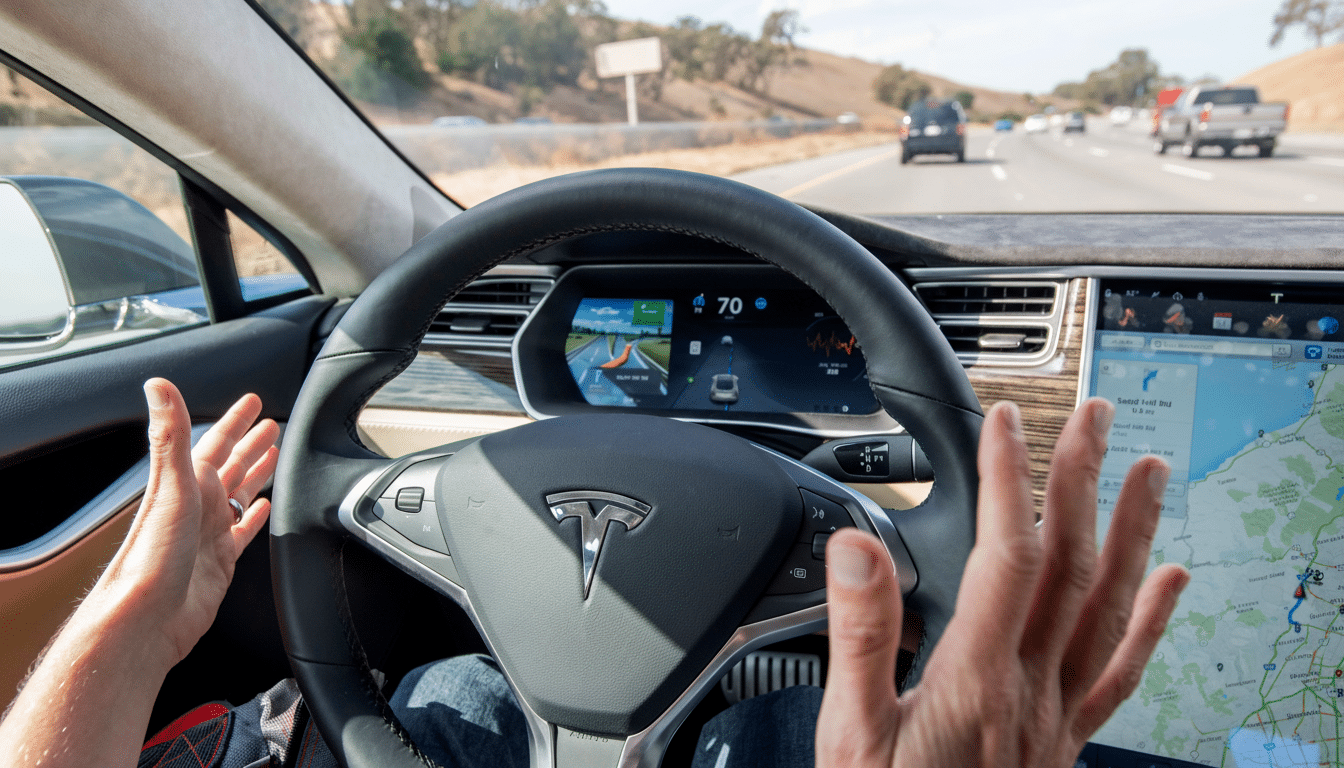
The lawsuit seeks to overturn an administrative decision that labeled the marketing deceptive and exposed Tesla to potential licensing penalties. Tesla is also asking the court to clarify how California’s advertising rules apply to driver-assistance features so that terminology is consistent across automakers.
DMV ruling and the Level 2 debate over autonomy claims
The DMV’s case turned on a technical classification: Tesla’s systems are rated Level 2 under the widely used SAE/NHTSA automation scale, which means the car can control steering and speed but the human remains responsible. Regulators argued that describing a Level 2 system as “autopilot” or “self-driving” can reasonably imply autonomy that does not exist, especially in fast-moving consumer ads.
An administrative law judge found Tesla’s marketing crossed that line and warned of consumer harm when drivers overtrust the technology. The order threatened a short suspension of Tesla’s state sales license if the company didn’t adjust its messaging or upgrade its technology. The DMV later said Tesla satisfied near-term obligations, but the ruling’s findings still stand—hence the new court fight.
Safety record and growing regulatory scrutiny of Tesla
U.S. safety regulators have intensified oversight of driver-assistance claims as these features proliferate. The National Highway Traffic Safety Administration opened defect investigations into Tesla’s Autopilot and secured a software recall covering more than two million vehicles to bolster driver monitoring and warning logic. NHTSA’s Standing General Order on crash reporting has consistently shown Tesla vehicles accounting for a large share of advanced driver-assistance incidents—figures the agency cautions reflect the size of Tesla’s fleet and robust telemetry compared to peers.
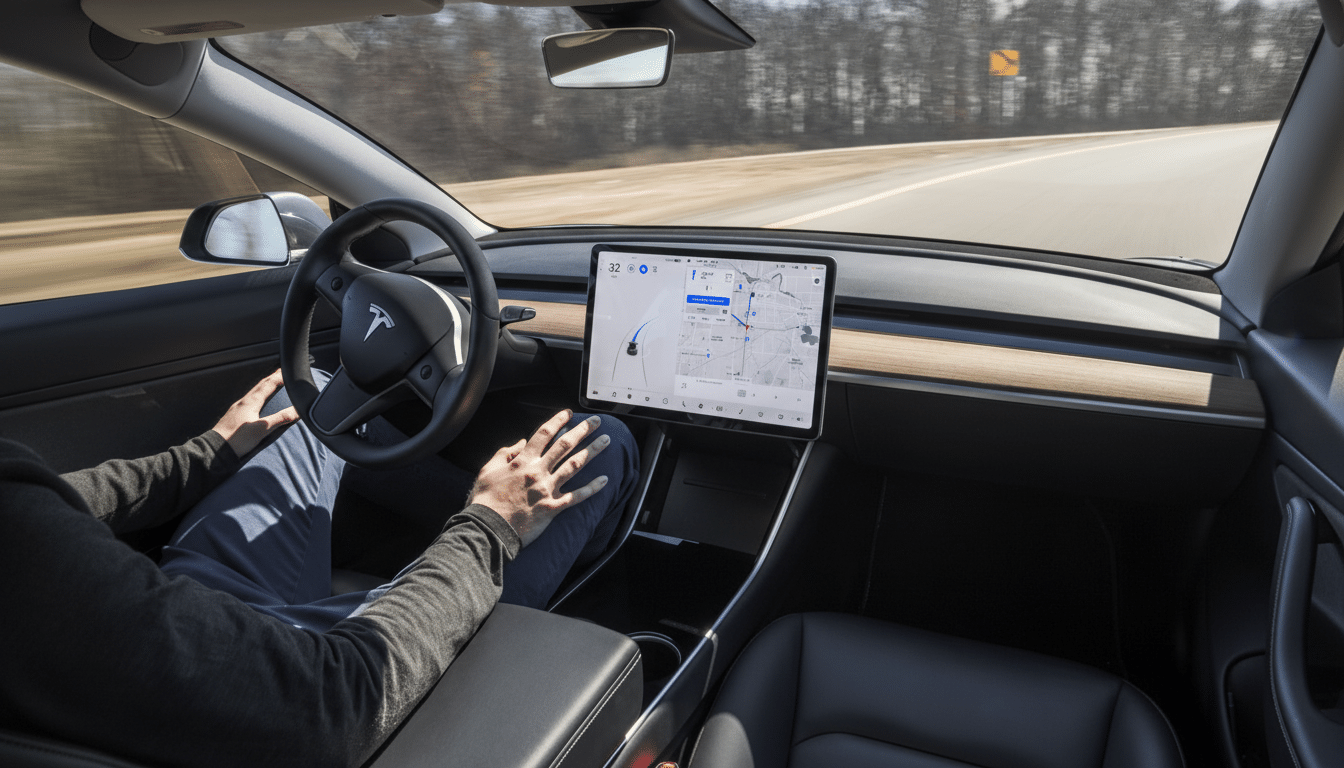
Internationally, watchdogs have taken a similar stance. The UK’s Advertising Standards Authority has previously banned ads that overstated “Autopilot” capabilities, underscoring a global view that words matter when drivers may infer automation that exceeds reality.
Why the wording around self-driving features matters for drivers
Consumer perception is the crux. “Self-driving” can be interpreted as a promise of hands-off, eyes-off travel—closer to Level 3 or higher—while Level 2 demands constant human supervision. Behavioral research on automation shows drivers are prone to overreliance when systems carry aviation-inspired names, even when disclaimers exist. That gap between label and lived experience is what regulators aim to close, and what Tesla insists can be bridged with clearer on-screen cues, driver monitoring, and education rather than banned words.
Other automakers have taken a more cautious tack, branding comparable features as “hands-free” under limited conditions—GM’s Super Cruise and Ford’s BlueCruise being prominent examples—while avoiding the “self-driving” phrasing. California’s action signals it wants that restraint to be universal unless a system reaches higher autonomy thresholds.
What comes next in Tesla’s lawsuit against California DMV
The case could set a precedent for how U.S. states police language around partially automated systems. If Tesla prevails, manufacturers may gain more latitude to use aviation-flavored branding so long as disclaimers and driver monitoring are robust. If the DMV’s position is upheld, expect tighter, standardized phrasing across the industry and fewer autonomy-leaning claims for Level 2 technology.
Either way, the broader trend is unmistakable: regulators are moving toward outcome-based oversight that ties marketing, real-world behavior, and safety data together. For drivers, the near-term takeaway is straightforward—today’s systems can assist, but they do not replace the human behind the wheel. The courtroom may soon decide how plainly that must be said.

