


You stroll into your warehouse on a Monday morning. Coffee in hand. Machines humming. The lights overhead are buzzing. And you think… man, we could do this smarter. Bills are higher than they should be. Waste piles up faster than anyone notices. Maybe it’s the lighting, maybe the equipment, maybe just how things run. Little choices make a big difference. Even the kind of batteries you use matters. Knowing lithium-ion vs lead-acid forklift batteries could save you money, time, and energy, without changing your workflow at all. Sustainability isn’t about being perfect. It is about doing what makes sense—one small step at a time.
Reduce Energy Consumption
Energy is sneaky. You barely notice it… until the bill comes. Lights, heating, machines—they all draw power. You walk through your space and notice which machines run all day for no reason. Or lights that never switch off. Small leaks add up fast.
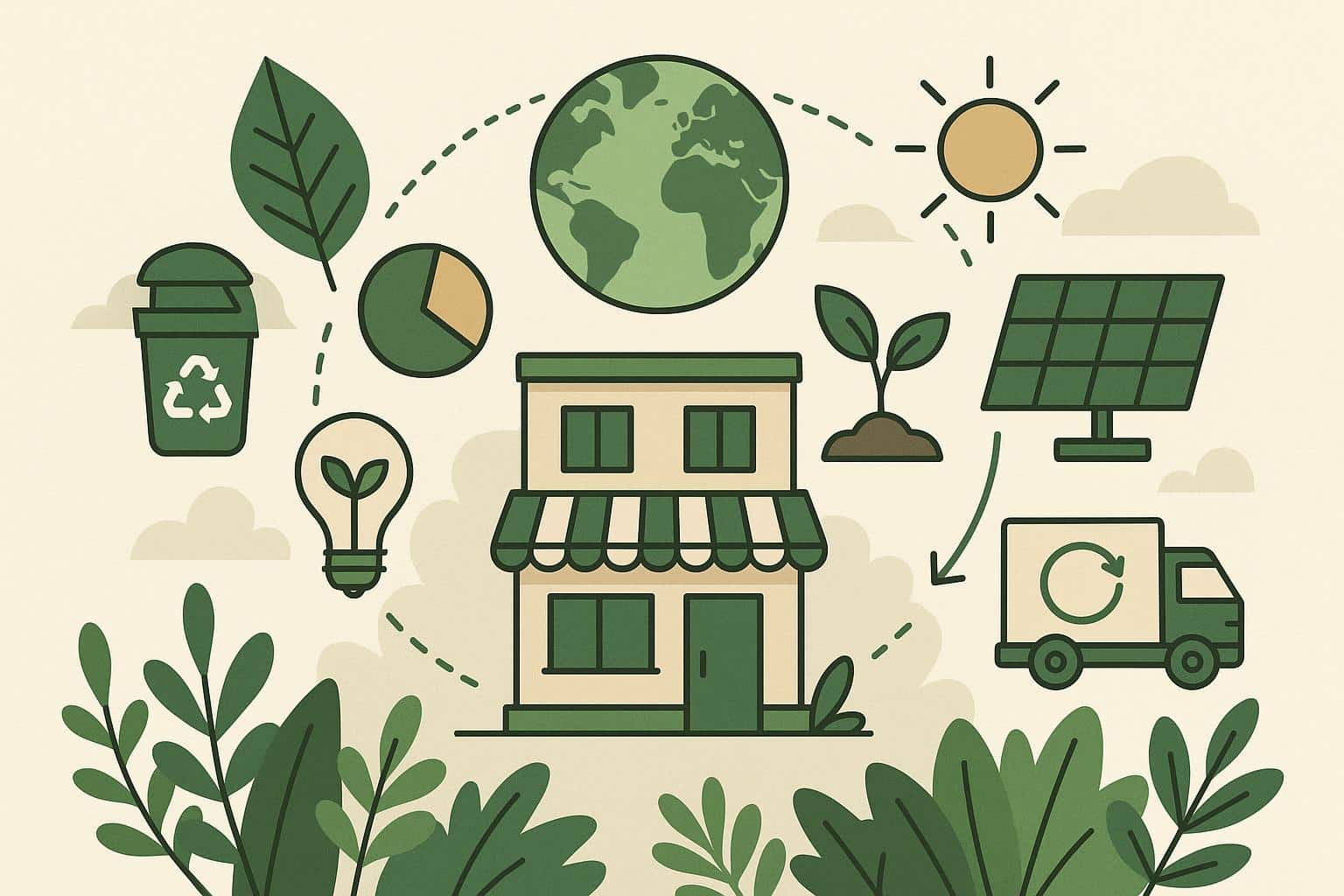
Start simple. Swap out old bulbs for LEDs. Set smart thermostats or timers. Turn off machines when they are not in use. Do heavy-duty tasks at off-peak hours. These are small steps. But they add up.
And think about your equipment. How it is charged, how it’s maintained. The right battery system matters. It affects efficiency in a big way. That is why lithium-ion vs lead-acid forklift batteries isn’t just a techy choice—it’s smart business. Small decisions here can make daily operations smoother and cheaper.
Waste Reduction and Recycling
Now let’s talk trash. Not just the big boxes or paper piles. The little stuff matters too. Plastic wrap. Packaging. Old electronics. Every business makes waste. How you handle it is what counts.
Go digital where you can. Fewer papers, fewer receipts, less clutter. Set up recycling bins. Make it easy for everyone to use. Train your team. Show them why it matters.
When your employees see that their actions actually count, habits stick. Less waste, lower disposal costs, and a culture that just… works. You do not need perfect systems. You just need consistent, small changes.
Choosing Sustainable Equipment
Equipment choices make a bigger difference than most people realize. Old machines drink power, break down more, and just… waste stuff. Newer energy-efficient tools save time, energy and headaches.
As with anything, take your time when replacing everything at once: be mindful in choosing which machines run most efficiently while being easy on maintenance costs. Battery-powered equipment in particular helps minimize downtime to keep operations moving smoothly.
Sometimes, it is the tiny technical choices that matter most. A battery that lasts longer, uses energy better, or just works smoother changes the game. Smart picks now pay off later—for your budget and the environment.
But here is the catch–don’t overlook even seemingly minor extras like quieter tools that require less maintenance or consume fewer consumables. They all add up over time and help ensure uninterrupted workdays! It all adds up.
Staff Engagement and Culture
Even the best plans fail if your team is not on board. Talk to them. Explain why these small changes matter. Make it clear: sustainability isn’t a chore. It’s smarter work.
Little things help. Recognize employees who suggest ways to save energy. Reward eco-friendly habits. Hold short, informal sessions to swap ideas.
Start small. Do not overwhelm anyone. Celebrate tiny wins. Slowly, sustainability becomes normal. Your team will keep it up. They’ll see it works. And it matters.
Avoid underestimating the power of storytelling! Share small successes or funny incidents related to sustainable changes; whether that means showing how coworkers solved an easier recycling hack, or your team experiencing lower energy bills–stories make sustainability real, accessible, and something people want to be part of.
In Conclusion
Sustainability doesn’t need to be complicated. Cut energy use. Reduce waste. Pick smarter equipment. Get your team involved. Each step alone is small. Together, they make a big difference. Even technical choices count. Understanding lithium-ion vs lead-acid forklift batteries is part of the bigger picture. It affects energy efficiency, costs, and your footprint. Start small. Try a few changes this week. Watch the savings grow. Sustainability isn’t a trend. It’s smarter, cleaner, and easier than you think—especially when you take it one step at a time.

