


Key Takeaways
- Recognize and avoid truck blind spots to ensure you remain visible at all times.
- Leave ample space around trucks and follow speed guidelines to improve safety.
- Stay alert and limit distractions to react promptly to unexpected changes.
- Maintain both vehicle condition and awareness of weather circumstances before trips.
- Follow truck traffic laws and regulations for optimal safety.
Every day, countless drivers share the road with large trucks, which play a critical role in transporting goods across the nation. While these vehicles are vital to the economy, their size and weight pose unique dangers in the event of a crash. Safeguarding yourself and others is possible through education, awareness, and mindful driving practices. To understand your rights after an incident or to seek legal support, learn more about an 18 wheeler accident lawyer. Adopting basic but essential safety habits can significantly lower your risk on the road and protect everyone involved.
Truck accidents often lead to devastating injuries and property loss for both commercial drivers and passengers in smaller vehicles. This makes it crucial for everyone—truckers and motorists alike—to work together in reducing hazards. By respecting the limitations of large trucks and taking responsibility for your own safety, you can help prevent accidents and create safer roadways for all.
Understanding Truck Blind Spots
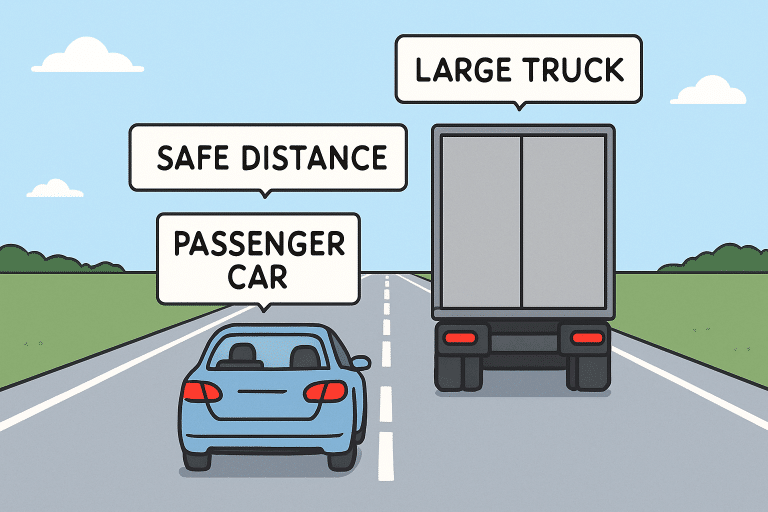
Trucks have areas around them where the driver’s view is either severely limited or completely blocked. These blind spots, often called “no-zones,” exist directly in front of, immediately behind, and along both sides of trucks. Passenger vehicles lingering in these areas are at higher risk since truck drivers may not see them before changing lanes or braking. According to the Federal Motor Carrier Safety Administration, staying visible and out of these blind spots dramatically reduces the likelihood of side-swipe and merging accidents.
Maintaining Safe Distances
Large trucks need more distance than smaller cars to come to a complete stop. It’s advisable for drivers to stay at least four seconds behind an 18-wheeler to ensure enough time and space for reaction in case of sudden stops or emergencies. Tailgating is especially dangerous, as debris from truck tires or unexpected braking can quickly lead to severe accidents. By keeping a buffer zone, you ensure everyone’s safety and help traffic flow more smoothly.
Adhering to Speed Limits
Speeding is a common factor in accidents involving large trucks. Trucks are heavier and cannot maneuver or stop as quickly as passenger vehicles, making any mistakes more likely to result in major accidents. Staying within posted speed limits gives both truckers and other drivers ample time to react to obstacles, changing weather, or other vehicles. Slower speeds are particularly important on curves, during poor weather, or in high-traffic areas.
Practicing Defensive Driving
Defensive driving is about expecting the unexpected. Always watch for shifting traffic patterns, sudden lane changes, and other drivers' actions, particularly in areas with trucks. Pay extra attention in construction zones or under poor lighting, where the risk of accidents spikes. Likewise, commercial drivers can avoid potential crashes by looking out for aggressive or distracted passenger vehicles—a quick, proactive response can avoid severe outcomes.
Minimizing Distractions
Distractions are a major cause of road crashes each year. Anything from mobile devices to eating behind the wheel can take your focus off safe driving. The National Highway Traffic Safety Administration emphasizes that over 3,500 fatalities in 2021 alone were linked to distracted driving. Staying alert, focused, and hands-free is critical, especially near large trucks that might make wide turns or sudden stops.
Regular Vehicle Maintenance
For truck drivers, vehicle safety begins long before hitting the road. Routine inspections and preventive maintenance can catch worn brakes, troublesome tires, or faulty lights before they become problems. Proper loading and securing of cargo are just as critical. An unbalanced or shifting load can cause loss of control or rollovers, endangering everyone nearby. Coordination with dispatch to ensure compliance with vehicle weight limits and cargo securing helps prevent incidents.
Staying Informed About Weather Conditions
Severe weather, including rain, fog, or snow, contributes to about 21 percent of all vehicle crashes, according to the National Weather Service. Before each trip, drivers should consult weather updates and anticipate delays or hazardous conditions. Adjusting speed, using headlights, and maintaining greater distances enhances visibility and stopping time when roads are slippery or visibility is reduced.
Understanding and Complying with Regulations
Commercial drivers must stay up to date on all rules related to equipment standards, hours of service, and safety policies, as these regulations may vary by state or region. Proper licensing, regular training, and equipment checks are not just legal obligations; they are also key safety measures for everyone. Compliance keeps both companies and individual drivers accountable while minimizing risks of roadside breakdowns or violations.
By integrating these strategies into daily driving routines, both truck operators and motorists can greatly reduce accident risks and contribute to safer highways for all. Mindful driving, routine vehicle maintenance, and compliance with regulations work together to create a culture of safety that benefits everyone.
Conclusion
In conclusion, safety around large trucks depends on awareness, patience, and responsible driving habits from everyone on the road. Understanding blind spots, maintaining safe following distances, and respecting speed limits significantly reduce the risk of serious collisions. Practicing defensive driving, minimizing distractions, and preparing for changing weather conditions further strengthen overall road safety. For commercial drivers, consistent vehicle maintenance and strict regulatory compliance are equally essential. When both truck operators and passenger vehicle drivers adopt these proactive measures, highways become safer and more predictable for everyone.

