


Samsung may be setting the stage for satellite-based location sharing within its Samsung Find app that could greatly change how Galaxy users remain visible when they wander outside cellular coverage. New details in a fresh app build suggest that a dedicated Satellite mode with occasional updates and manual fallback could be just what’s in store.
What the code reveals about Samsung Find’s satellite mode
Strings found in Samsung Find version 1.8.00.16 mention a Satellite mode that shares your device’s position on an automatic interval. The mode is set to always or once during a trial period, but since there’s no official screenshot or confirmation, it might see a test phase where the location information stays updated about every 15 minutes while active, and sharing will be switched off after deactivation, which seems to indicate an opt-in session rather than continuous background broadcasting.
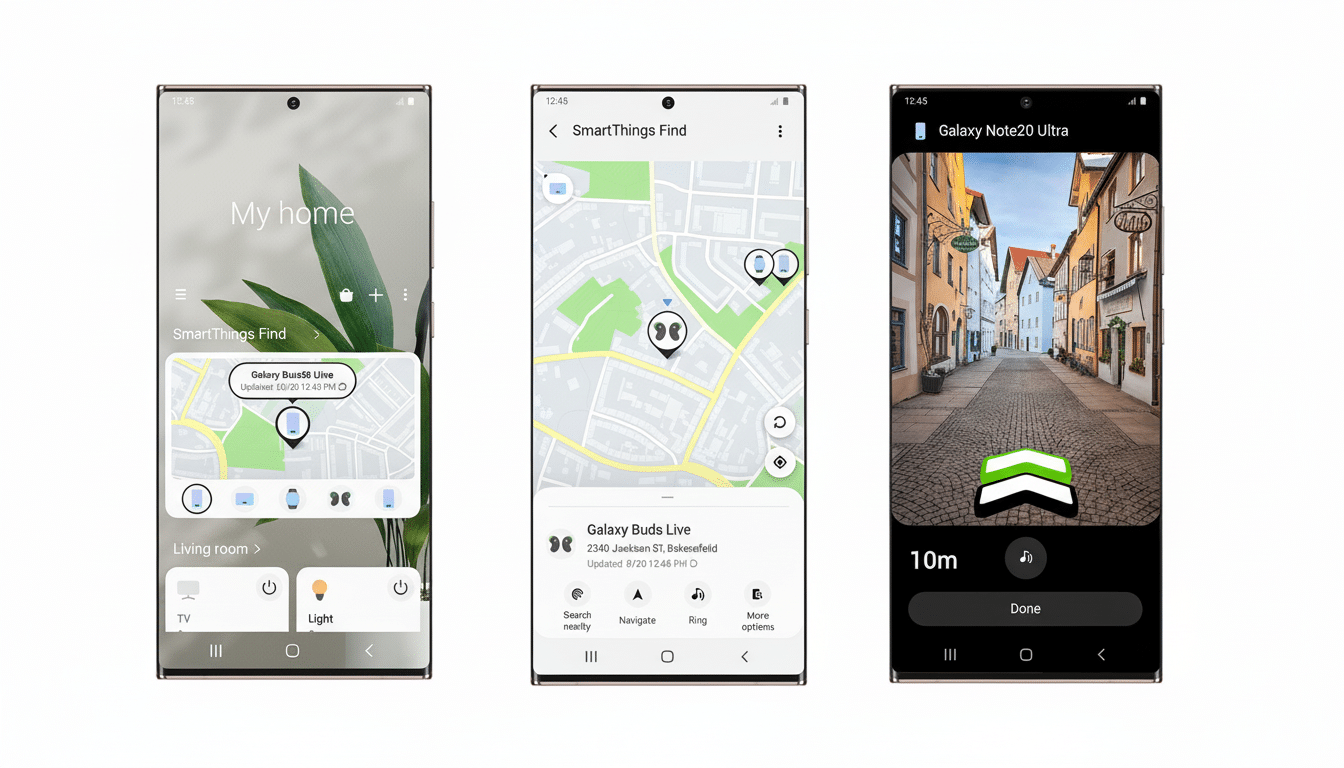
The code also suggests a kludge for flaky connectivity. There’s a backup, one-time location share in case automatic updates don’t work; instead of a continuous feed, this is sent manually through messaging. Initial peeks suggest that work on the feature is still ongoing, and some of the interface isn’t yet completely functional. Yet the direction is clear: Samsung is getting its device-tracking hub ready to work when cell towers and Wi‑Fi are not available.
Why This Matters: Sharing Locations and Death by Satellite
Location services typically vanish right where you’re most likely to need them: on remote mountain trails, rural roads, disaster areas or crowded events that strain cellular and wireless data networks. Industry surveys from groups like the GSMA continue to prove that millions lack coverage and that well-served areas can still experience temporary outages or times when congestion is just too high. Satellites help fill those gaps with low-bandwidth, high-reliability connections that are not dependent on ground infrastructure.
Rivals have endorsed the necessity. Apple made emergency satellite messaging a thing on many recent iPhone models, and Google has been bringing satellite-powered location sharing to some Pixel devices. If Samsung adds such capabilities to its own network of things, then Galaxy owners might be able to use a safety net that supplements the large Bluetooth-based finding network it already utilizes for tracking down phones, watches, and SmartTags.
How This Could Function On Galaxy Devices
The 15-minute window as presented in the app is a nice compromise between minimizing battery strain and getting up-to-date location. Many trail communications rely on satellite transmissions, which consume a lot of power, so batching maintains longevity while still providing a reliable breadcrumb for friends or family tracking your route. (As a backstop in case circumstances make it impractical to update that information regularly, you are required to perform a manual, one-time share.)
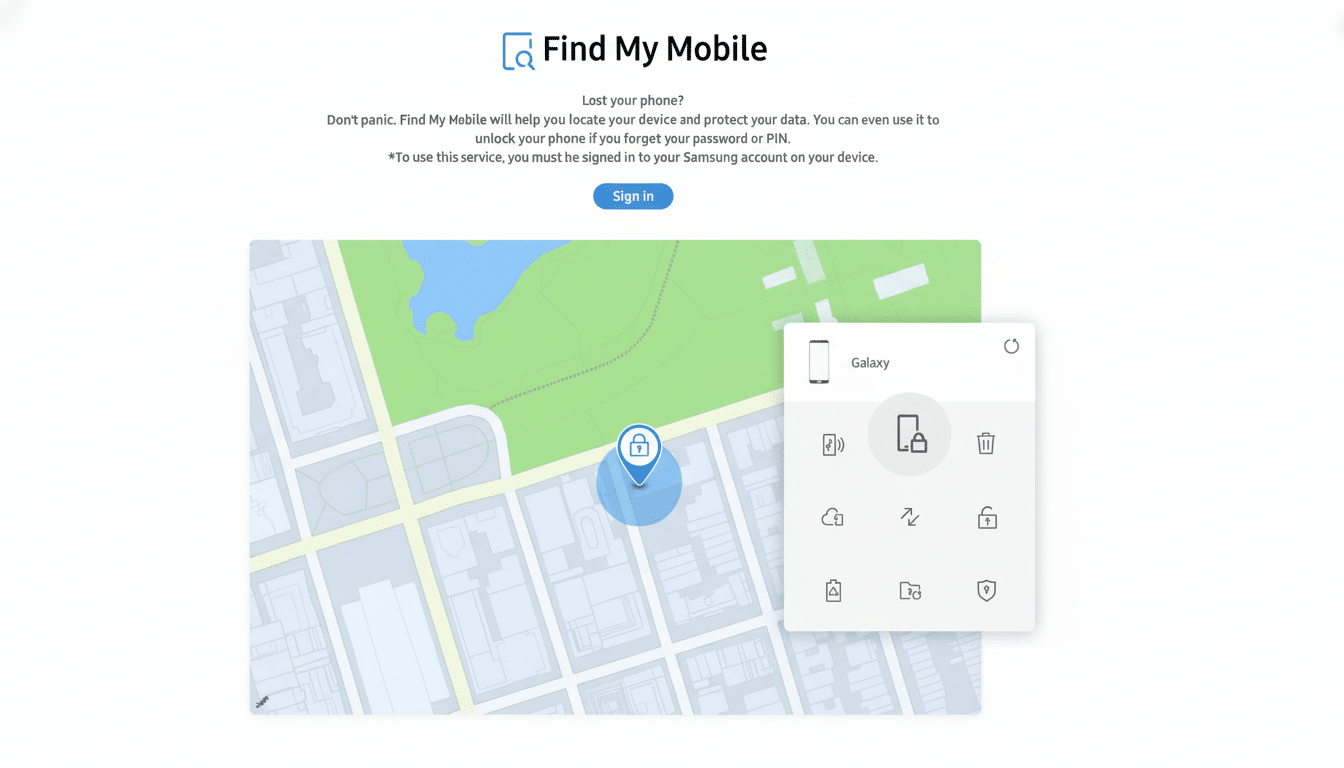
On the hardware front, the company has previously emphasized non-terrestrial network (NTN) features in its Exynos modem roadmap matching 3GPP standards that would allow a smartphone to connect directly to a satellite for basic messaging and location. The specifics would probably be regional partnerships with satellite operators and MVNOs, in addition to firmware support from Snapdragon or Exynos versions. Look for usage notifications, on-screen status indicators and big privacy controls because location data can be sensitive.
Ecosystem and competitive context for Samsung Find
Samsung Find already lives at the literal center of the Galaxy locating experience across phones, tablets, watches, earbuds, and SmartTags. Satellite functionality would allow that reach to stretch beyond the bounds of a community-powered Bluetooth mesh, allowing the app to be more of a reliable travel, outdoor sport, and emergency companion.
The company’s decision would also be a sign of broader industry reshuffling. Apple, for example, utilizes a satellite partner to support its iPhone emergency capabilities — and the Android ecosystem has been working toward standardized NTN support under 3GPP. The practical question for Samsung is one of scope: Will Satellite mode be limited to emergency-like use cases, or will it enable routine off-grid check-ins for groups and shared itineraries? The early 15-minute update language suggests wider use, rather than emergency only.
What to watch next as Samsung tests satellite sharing
Expect staged rollouts as they relate to app updates, device firmware, and carrier or satellite partnerships. Availability could differ by region and Galaxy model, since modem models vary. If testing expands to a wider audience, users should see a new Satellite mode setting appear in Samsung Find with clear onboarding ideally around the 15-minute interval and an option to send a one-time location if scheduled updates fail.
The upshot: Satellite location sharing would be a useful step forward in Samsung’s finding system. You can already tell that this feature delivers exactly what off-grid users are looking for: consistent pings, a predictable battery hit, and it reliably lets you tap out when the going gets rough.
