


Rockstar Games is reportedly planting deliberate falsehoods about Grand Theft Auto 6 to identify and isolate internal leakers, according to new community reporting amplified by TechSpot and the GTAVI_Countdown account on X. The tactic, long used in high-stakes entertainment and tech circles, aims to make would-be tipsters think twice—and to leave a trail back to whoever shared sensitive details.
Why Rockstar Is Turning to Decoys to Stop Leaks
The financial and cultural stakes surrounding GTA 6 are enormous. Take-Two Interactive’s earnings have repeatedly underscored the Grand Theft Auto franchise’s reach, with GTA V alone having sold well over 190 million copies to date and the series totaling hundreds of millions more. Analyst estimates place GTA 6’s development and marketing outlays north of $1 billion, making the integrity of prelaunch plans a bottom-line issue, not just a PR concern.
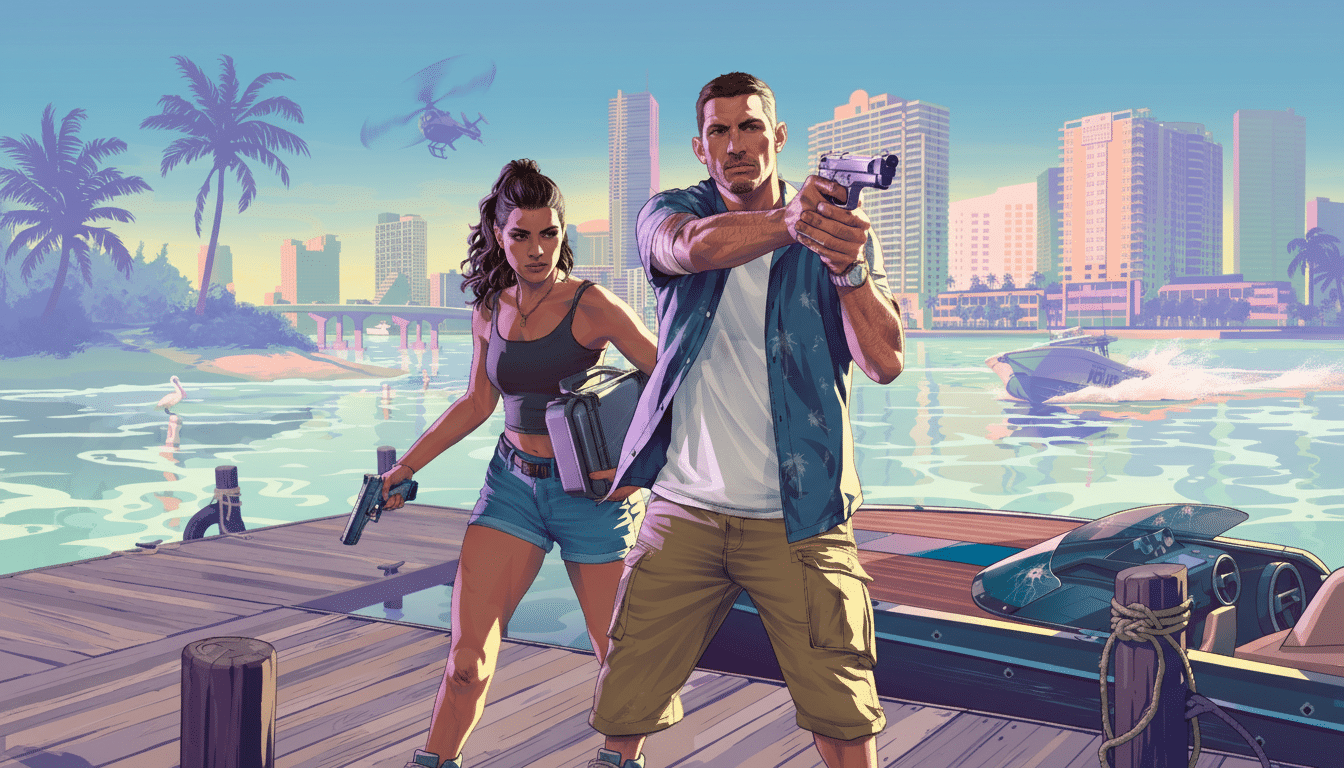
Rockstar has reason to be cautious. A massive breach in 2022 exposed more than 90 early gameplay clips and internal footage, forcing the studio to acknowledge the hit to its development pipeline. The first GTA 6 trailer later appeared ahead of schedule after it leaked on social media, highlighting how even carefully timed campaigns can be derailed by a single unauthorized post. City of London Police arrested a teenage suspect connected to that incident, underscoring how far these cases can spiral beyond message boards.
How a Canary Trap Works in Games to Catch Leakers
The reported strategy resembles a classic “canary trap”: seed slightly different, plausible but false details to small groups or individuals, then watch which version surfaces publicly. In a game context, that can mean fictional mission beats, internal codenames, map coordinates, or platform timing windows tailored per team. If a unique nugget appears online, investigators can narrow the origin without mass surveillance or broad accusations.
Entertainment companies have long used comparable tools. Film studios watermark screeners; major tech firms place traceable variations in documents. For a blockbuster release with complex vendor and QA pipelines, this kind of surgical fingerprinting can be more effective than blanket lockdowns—though it often runs in parallel with legal agreements and tighter access controls.
Security Tightens And Communication Freezes
Rockstar has been steadily hardening its perimeter. Bloomberg previously reported the company’s return-to-office mandate, framed partly as a security measure to curb remote-work leakage. Internally, staff are said to be operating on stricter need-to-know principles, with fewer cross-team briefs and heavier reliance on compartmentalized assets. The result, according to community chatter, is an unusual hush: employees aren’t talking, even off the record.
The legal backdrop is equally clear. Publishers typically enforce robust NDAs, and platform holders can use DMCA requests and platform policies to scrub early material. After the 2022 breach, Rockstar and Take-Two demonstrated a willingness to act quickly to limit distribution of stolen content. A decoy-information program simply adds a proactive layer, deterring leaks before they happen.

The Risk of Misinformation for Fans Following GTA 6
There’s a trade-off: a deliberate misinformation campaign can muddy the waters for the community. Content creators and news aggregators risk amplifying planted decoys without realizing it, and once a false bullet point goes viral—say, an invented feature list or misnamed district—it can be stubbornly persistent. Expect more rumor fatigue and sharper skepticism around “exclusive” tidbits that lack corroboration from developer assets.
For players who want to avoid the noise, the safest benchmark remains Rockstar’s official channels—its newswire posts, verified social feeds, and trailers. Anything else should be treated as provisional unless it aligns with previously released materials or is backed by authoritative reporting with multiple, independently verified sources.
Spotting Red Flags in GTA 6 Rumors and Fake Leaks
Watch for hallmarks of a decoy: oddly specific, unverifiable details (like exact street names or coordinates that aren’t visible in official footage), inconsistent file naming or asset metadata in “leaked” images, and claims that hinge on anonymous single-source accounts. Another tell is timing—rumors that conveniently fill information gaps right after major reveals often play to wish lists more than realities.
Equally, credible leaks tend to include contextual evidence—consistent build numbers, technical artifacts that align with known engine behavior, or corroboration across separate communities. Even then, plans evolve. Large games routinely cut or rework features late, so genuine early details might still miss the shipping product.
What This Means for the Road to Launch and Marketing
If Rockstar is indeed running canary traps, expect fewer splashy “leaks,” more takedowns, and a quieter prelaunch window than past GTA cycles. From the studio’s perspective, keeping control of the message helps preserve surprise, protect partners, and maximize marketing impact. For the rest of us, the best approach is simple: be skeptical, be patient, and let the official story unfold on Rockstar’s timetable.

