


Pokémon Pokopia surprised me by doing something the series has rarely asked of players at scale—repair the damage, not just collect the creatures. It’s a cozy life sim built around rehabilitating a broken Kanto, and it delivers that mission with warmth, wit, and a design loop so absorbing that hours slip by unnoticed.
The core loop centers on constructing habitats and restoring biomes so Pokémon can thrive again. Instead of gym badges, your progress is measured in comfort, safety, and cooperation. One moment you’re coaxing rain—at Squirtle’s insistence—by staging a celebration to soften a rockfall trapping Onix; the next, you’re waking Kyogre only to realize Charmander’s tail flame can’t withstand the downpour, forcing a quick, community-built shelter with the help of Timburr and Hitmonchan. It’s restorative play as narrative: small, neighborly acts that ladder up to a transformed world.
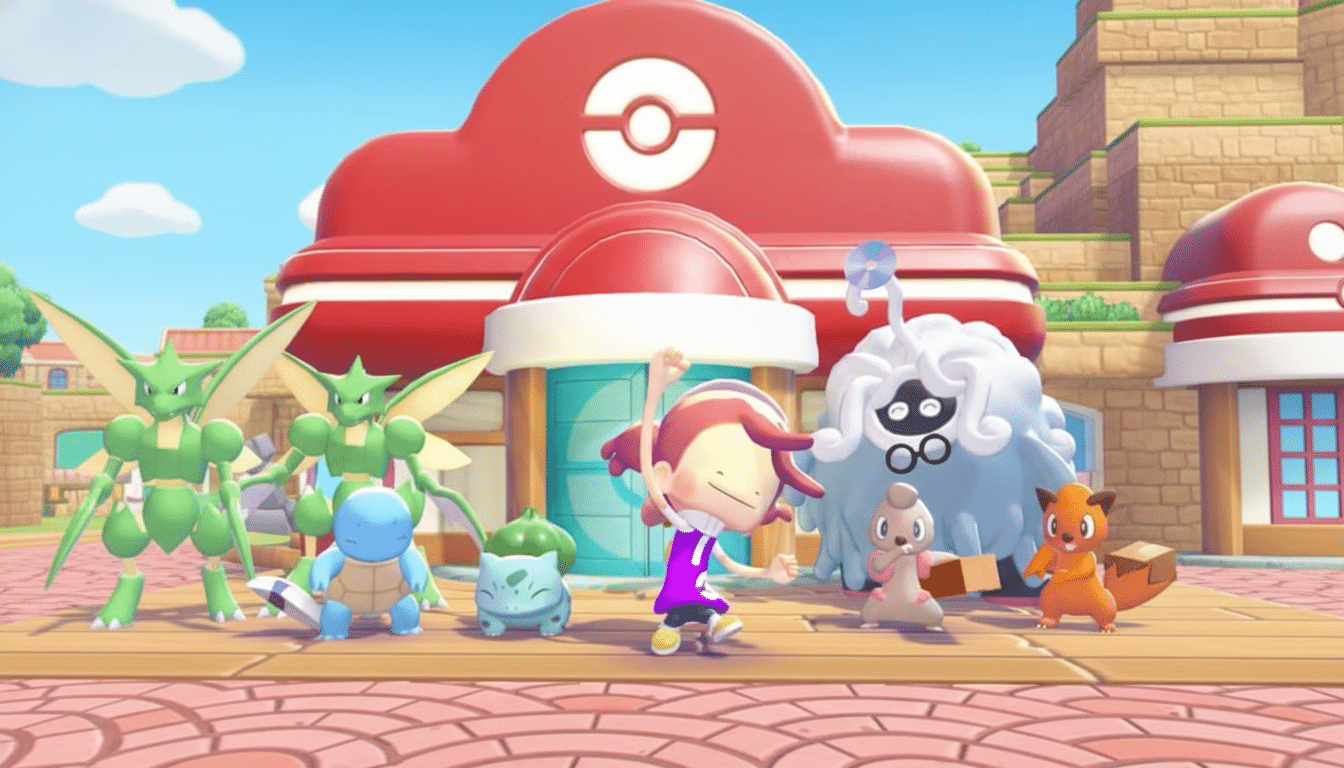
How Rehabilitation Becomes the Core Gameplay Loop
Pokopia reframes exploration as caretaking. You survey wrecked coastlines, clear hazardous debris, and piece together ecosystems that let Magikarp return to tidepools or grass types recolonize storm-burned fields. Resource gathering is present, but it’s puzzle-first: the right environment invites the right species, which unlocks new abilities, which unlock new restorations. It’s a gratifying domino effect.
There are four main regions plus a sandbox version of Pallet Town for group play, and after roughly 20 hours I’m still not halfway through the central thread. That scope matters. Unlike shorter spin-offs, Pokopia sustains the cozy cadence—the just-one-more-task pull—without feeling grindy. It’s the closest I’ve come to the flow of Animal Crossing: New Horizons, only with clearer stakes and payoffs.
A Post-Apocalyptic Kanto That Hits Close To Home
Pokopia’s smartest narrative swing is letting you play as a Ditto that has taken on its missing trainer’s form. Humans have vanished; Professor Tangrowth has been alone for years. As you sift through derelict Poké Marts and overgrown routes, scraps of letters, diaries, and news clippings sketch a climate calamity that emptied the cities. It’s melancholy without being morose, grounded by specific, unsettling sights: a moss-cloaked Snorlax fused to a cave wall; a faded “Pikachu” that’s lost its spark.
Even the game’s jokes land with real-world gravity. One note riffs on the collapse of music streaming after server costs spiked, nudging a return to CDs. That gag echoes present-day anxieties: energy analysts warn of surging compute demand, and recent industry reporting in the U.S. cites nearly 3,000 energy-hungry data centers under construction on top of roughly 4,000 already in operation. Pair that with a RAM crunch that retailers say has pushed some laptop configurations up by as much as $400, and Pokopia’s satire starts to feel like commentary. The game doesn’t sermonize; it connects cause and effect, then hands you a shovel and asks you to help.
Cozy Game DNA With Pokémon-Sized Stakes That Matter
Design-wise, Pokopia borrows the best from Animal Crossing, Stardew Valley, and Minecraft—routine, restoration, and tinkering—then threads those rhythms through Pokémon’s creature ecology. Habitat blueprints feel like field biology briefs. “Comfort” isn’t a meter to min-max; it’s a promise that your actions matter to the beings around you. The result is a soothing game that never drifts into aimlessness.
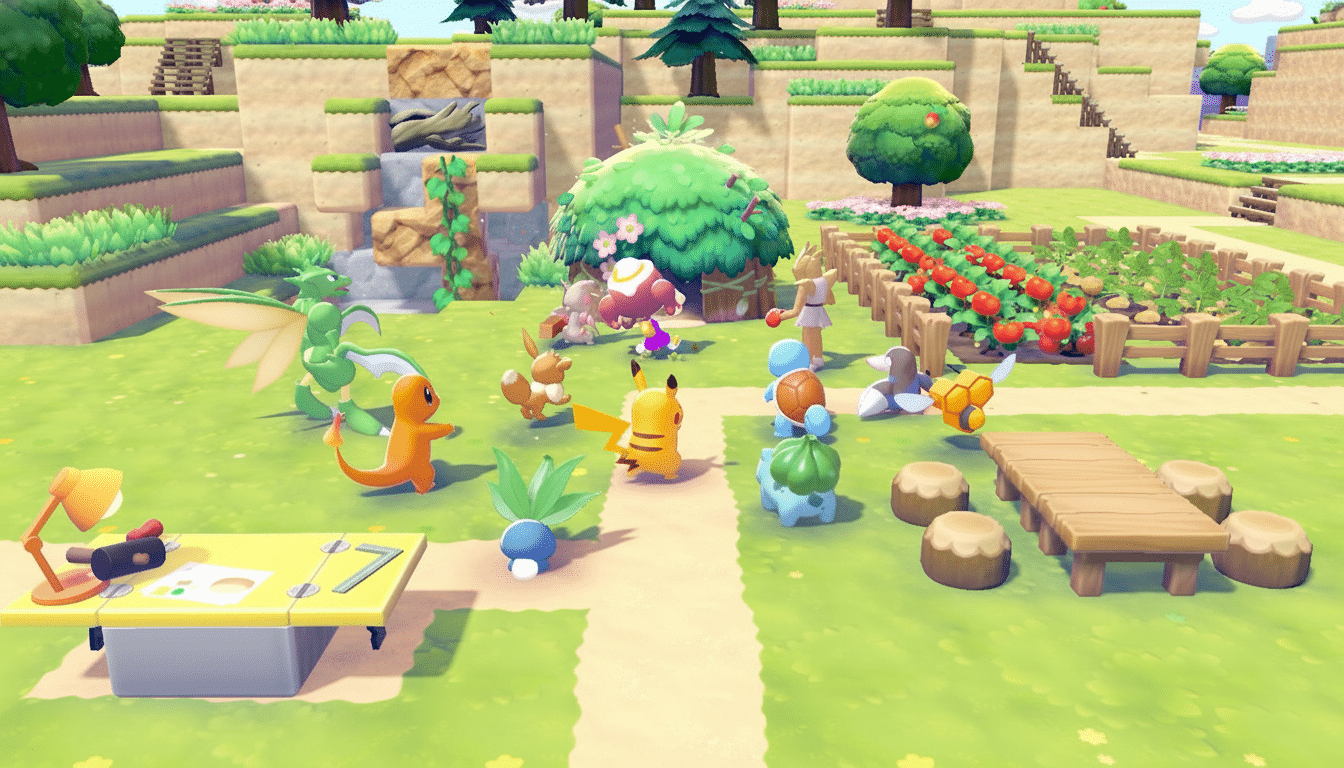
That polish is especially notable after the uneven launches of Scarlet and Violet, which drew criticism for bugs and pacing. Pokopia feels intentional: quest lines are legible, co-op chores are cooperative in spirit, and environmental storytelling does the heavy lifting so exposition rarely has to. It respects your time without sanding off its surprises.
Demand Signals And The Anticipated Switch 2 Effect
Momentum around Pokopia is tangible. Retail listings show physical copies climbing to $80 at some sellers, with digital available at the standard price. More telling: it’s the first Switch 2–exclusive Pokémon title generating the kind of word-of-mouth that nudges fence-sitters to upgrade hardware. Analysts at Circana have noted how comfort-first games sustain engagement long after launch; Pokopia’s early chatter fits that profile.
The generous map and modular regions feel ripe for DLC, and I’d welcome it. When a restoration sim lands, new biomes aren’t just content—they’re fresh laboratories for systems that already sing.
Why Pokopia Works And What Makes Its Design Shine
Pokopia makes kindness consequential. Reanimating a dead grid in Vermilion City doesn’t just tick off a quest; it throws light across a skyline that had gone dark, and suddenly a timid electric type returns to roost. Those sequences reframe the usual “save the world” arc into a series of shared, local victories. It’s restorative both in fiction and in feeling.
I adore it because it doesn’t confuse coziness with stagnation. It gives you purpose without pressure, a broken place worth mending, and companions who call you “bestie” while you rebuild their homes plank by plank. In a year stuffed with louder blockbusters, Pokémon Pokopia is the rare hit that asks us to fix what we can—and then proves that fixing is fun.

