


Anthropic has been formally designated a supply-chain risk by the Pentagon, a move that effectively walls the AI company off from new or ongoing work with defense contractors and subcontractors. CEO Dario Amodei responded that the company will challenge the designation in court, arguing that the order is overbroad and misapplied.
What the Supply-Chain Risk Label Means for Vendors
In defense procurement, a supply-chain risk tag signals to primes and integrators that a vendor’s products or services should not be used in systems tied to the Department of Defense. In practice, it functions like a stop sign across program portfolios, from research pilots to production contracts, with compliance flowing down to subcontractors and cloud partners.
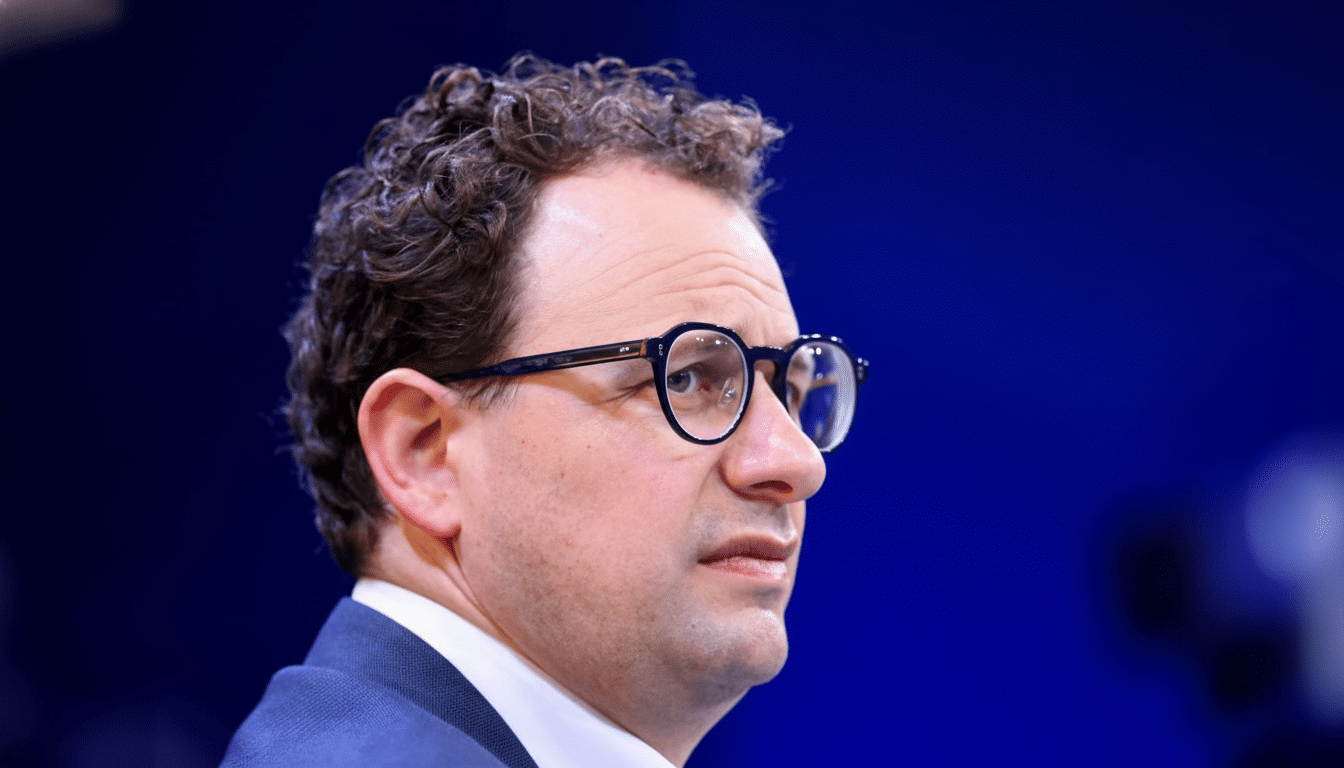
Defense officials framed the decision around access to foundational AI models, saying the government requires full, lawful use for national security missions. The Secretary’s public remarks went further, indicating defense suppliers are barred from commercial engagements with Anthropic while the order is in effect, with a limited transition window to unwind relationships.
Historically, federal supply-chain actions have ranged from narrow program exclusions to sweeping governmentwide bans, administered through mechanisms overseen by the Federal Acquisition Security Council and related DoD risk management policies. However, they typically involve a record of analysis and an opportunity for vendors to respond, something Anthropic is expected to emphasize in court.
Anthropic Prepares Legal Challenge to Pentagon Label
Amodei said the company had “no choice” but to litigate, contending the government’s demands crossed lines on mass domestic surveillance and fully autonomous weapons. The company has publicly maintained it will not enable those use cases, pointing to its safety policies and model governance frameworks as guardrails rather than negotiating chips.
Legal experts note Anthropic’s arguments are likely to invoke the Administrative Procedure Act, which requires agencies to avoid arbitrary or capricious actions, and could test how supply-chain determinations apply to general-purpose AI. Prior cases involving telecom and cybersecurity vendors have hinged on evidentiary standards and the breadth of remedies, but foundational models add a new wrinkle: once embedded across software stacks, disentanglement is complex and costly.
Customer Impact and Market Reaction to Pentagon Move
Anthropic said the “vast majority” of Claude customers will be unaffected, stressing that the order pertains to direct work inside contracts with the Pentagon rather than all companies that happen to have defense business elsewhere. For many enterprises, the operational question becomes scoping: segmenting environments or use cases that touch defense contracts versus those that do not.
The controversy appears to have boosted consumer interest. Claude rose to the top of app store download charts, outpacing ChatGPT and Google Gemini on some lists, and Anthropic executives said new sign-ups have surged, citing more than a million additions per day. That kind of momentum can be fleeting, but it signals users are closely watching how major labs position themselves on national security and civil liberties.

Competitors are moving in the opposite direction. OpenAI has confirmed its GPT models are approved for use on classified networks under government requirements, aligning more squarely with defense demand. For large integrators and cloud providers—think Microsoft, Google, Amazon, Oracle—alignment determines which models they can embed in defense workloads without legal friction.
Why This Fight Matters for AI Procurement
The Pentagon’s AI adoption strategy has accelerated, with the Chief Digital and AI Office standardizing pathways for model evaluation, testing and validation, and deployment at scale. That shift is turning general-purpose AI into a core dependency across logistics, cyber defense, and intelligence workflows, raising the stakes of who is “allowed” in the chain of custody.
Supply-chain risk designations also send a strong signal to state agencies, critical infrastructure operators, and federally regulated industries that mirror DoD risk postures. Even if a ban is narrowly scoped, risk officers and general counsels often choose the most conservative path, reshaping vendor shortlists and integration roadmaps.
For Anthropic, the immediate challenge is legal, but the strategic one is ecosystem health. If the designation stands, primes and key subcontractors could phase Anthropic out of defense-adjacent tools, developer platforms, and data pipelines. If the company prevails, it could set a precedent on how far the government can push model access and use-case mandates for private AI labs.
The Road Ahead for the Pentagon-Anthropic Dispute
Expect a two-track sprint: legal filings aimed at pausing or vacating the designation, and customer guidance to ring-fence deployments that might touch defense work. On the government side, look for clearer articulation of evidentiary standards for AI-specific supply-chain actions, something watchdogs like the Government Accountability Office and the Cybersecurity and Infrastructure Security Agency have repeatedly urged in broader ICT supply-chain contexts.
In the near term, CIOs and compliance teams at defense contractors will need to inventory where Claude appears in code, workflows, or vendor bundles and prepare contingency plans. The longer-term question—whether foundational model providers must offer unrestricted access for “every lawful purpose”—now sits at the center of a high-stakes test shaping the future of AI in national defense.

