


When people think about Latin America, they often picture a colorful sweep of countries stretching from Mexico down to the southern tip of Chile and Argentina. Yet despite its frequent appearance in conversations about travel, politics, business, and culture, Latin America is still widely misunderstood — sometimes simplified into a single identity, sometimes reduced to stereotypes, and often viewed only through headlines.
But to understand Latin America meaningfully, one must begin with something deceptively simple:
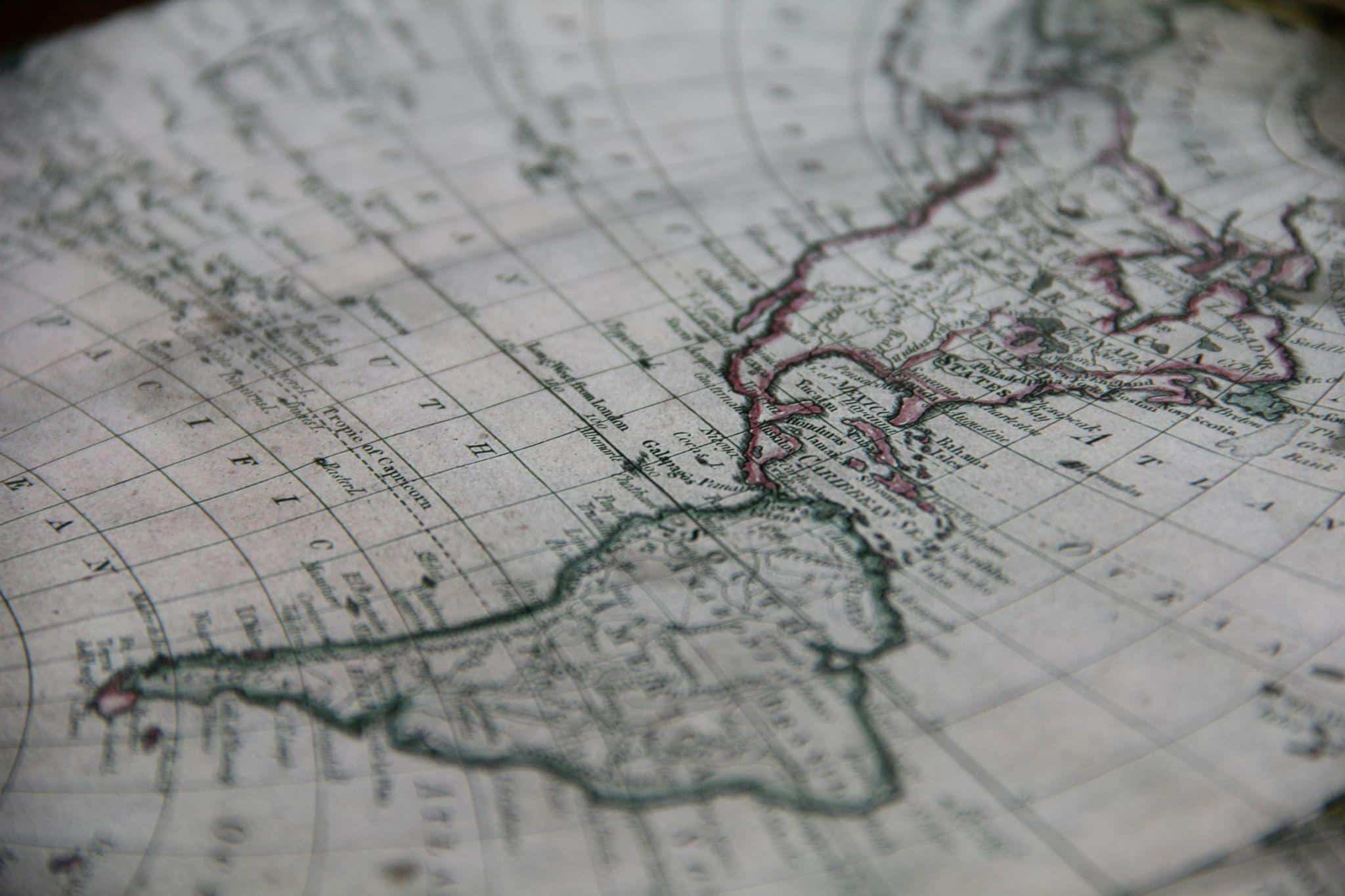
Geography.
Not just landmass and borders, but how geography shapes culture, economies, languages, migration patterns, and even professional opportunities. A closer look at the region reveals a mosaic of histories, environments, and identities far more complex than a glance at a map of latin america might suggest.
Because while maps define territory, they rarely capture context.
What Exactly Is Latin America?
At its most basic definition, Latin America refers to the group of countries in the Americas where Romance languages — primarily Spanish, Portuguese, and French — are dominant.
This typically includes:
• Mexico
• Central America
• Most of South America
• Parts of the Caribbean
The term is linguistic and cultural rather than purely geographic. It distinguishes these nations from primarily English-speaking North America.
Yet even this definition has nuance.
Not every country in the region shares the same colonial past. Not every nation speaks Spanish. Not every economy follows similar patterns. Latin America is not a monolith; it is a region defined by diversity layered atop shared historical threads.
Geography: The Structural Backbone of the Region
Latin America spans an extraordinary range of landscapes:
• Dense rainforests
• High-altitude mountain ranges
• Expansive plains
• Arid deserts
• Tropical coastlines
• Urban megacities
This geographic variety has deeply influenced how societies developed.
The Andes: A Mountain Spine
Running along the western edge of South America, the Andes Mountains form one of the longest continental mountain ranges on Earth.
They shape:
• Climate zones
• Agricultural possibilities
• Transportation routes
• Settlement patterns
High-altitude cities like Bogotá, Quito, and La Paz evolved under conditions entirely different from coastal hubs such as Lima or Rio de Janeiro.
Altitude affects architecture, lifestyle, and even economic specialization.
The Amazon: A Continental Ecosystem
The Amazon Rainforest — spanning Brazil, Peru, Colombia, and others — is not merely a geographic feature.
It is:
• A biodiversity epicenter
• A climate regulator
• A cultural landscape
• A political concern
Its vastness historically limited infrastructure development while nurturing indigenous cultures with distinct relationships to land and resources.
Coastal Influence
With thousands of miles of coastline, maritime trade has long played a role in economic development.
Ports became gateways for:
• Immigration
• Export industries
• Cultural exchange
Coastal cities often grew into cosmopolitan centers, absorbing global influences faster than inland regions.
Colonial Legacies and Their Geographic Imprint
European colonization reshaped Latin America’s demographic and political structure.
Spain and Portugal dominated most of the region, while France influenced parts of the Caribbean.
Colonial priorities — resource extraction, plantation economies, administrative control — left lasting imprints:
• Language distribution
• Urban layouts
• Land ownership systems
• Social hierarchies
Even today, colonial-era capitals remain central to political and economic power.
Language: Unity and Variation
Spanish is the most widely spoken language across Latin America, but it is far from uniform.
Accents, vocabulary, and expressions vary significantly between:
• Mexico
• Argentina
• Colombia
• Chile
Portuguese dominates Brazil, the region’s largest country by both population and landmass.
French, Dutch, and indigenous languages add further complexity.
Language influences:
• Media
• Education
• Professional mobility
• Cultural identity
Cultural Diversity Beyond Simplification
Latin America’s cultural fabric reflects layered influences:
• Indigenous civilizations
• European colonization
• African diaspora
• Immigration waves
The result is extraordinary variety.
Indigenous Heritage
Pre-Columbian civilizations such as the Maya, Aztec, and Inca contributed:
• Architectural achievements
• Agricultural innovations
• Artistic traditions
• Social structures
Indigenous identity remains deeply present in countries like Peru, Bolivia, Guatemala, and Mexico.
African Influence
The transatlantic slave trade brought millions of Africans to Latin America, particularly Brazil and the Caribbean.
African heritage shaped:
• Music (samba, salsa)
• Religion (Candomblé, Santería)
• Cuisine
• Language rhythms
European and Later Immigration
Italian, German, Japanese, and Middle Eastern immigrants influenced various national cultures, especially in Argentina, Brazil, and Chile.
Economic Landscapes: No Single Narrative
Latin America’s economies resist easy categorization.
The region includes:
• Commodity exporters
• Agricultural powerhouses
• Emerging tech hubs
• Tourism-driven markets
Economic identities vary widely.
Brazil: Scale and Complexity
Brazil’s economy spans:
• Agriculture
• Manufacturing
• Energy
• Technology
Its size alone challenges regional generalizations.
Mexico: Industrial Integration
Mexico’s proximity to the United States shaped:
• Manufacturing sectors
• Trade agreements
• Cross-border supply chains
Smaller Economies
Countries like Costa Rica, Uruguay, and Panama have developed distinct economic niches, including services, logistics, and sustainability initiatives.
Urbanization: The Rise of Megacities
Latin America is one of the most urbanized regions globally.
Major cities include:
• São Paulo
• Mexico City
• Buenos Aires
• Bogotá
Urbanization drives:
• Innovation
• Inequality challenges
• Infrastructure demands
• Cultural production
Cities often act as economic engines while rural areas navigate different realities.
Digital Transformation and Workforce Shifts
In recent years, Latin America has experienced rapid digital adoption.
Remote work, freelancing, and global collaboration have expanded opportunities for professionals across:
• Technology
• Design
• Marketing
• Finance
• Customer support
This shift decouples career growth from physical migration.
Professionals increasingly work with global companies while remaining rooted locally.
The Time Zone Advantage
One frequently overlooked factor is time zone alignment with North America.
For collaboration with U.S. businesses, Latin America offers:
• Real-time communication
• Faster iteration cycles
• Reduced workflow delays
Geography again shapes opportunity.
Persistent Misconceptions
Despite its diversity, Latin America is often framed through narrow lenses.
“It’s One Cultural Block”
In reality, differences between Chile, Mexico, Brazil, and Colombia can be as significant as differences between European nations.
“Economic Instability Defines the Region”
While challenges exist, many countries demonstrate:
• Growing middle classes
• Innovation ecosystems
• Expanding startup sectors
“Remote Work Is Peripheral”
Latin America has become increasingly central to global remote workforce strategies.
Why Geography Still Matters in a Digital World
Even in an era of virtual collaboration, geography continues to influence:
• Workday overlap
• Infrastructure development
• Cultural rhythms
• Economic specialization
Understanding geography provides context for:
• Policy decisions
• Market behavior
• Talent distribution
The Human Dimension Behind Regional Labels
Regional terms like “Latin America” simplify communication but can obscure lived realities.
Behind the label are:
• Distinct national identities
• Diverse social structures
• Unique historical trajectories
Nuanced understanding fosters better dialogue — whether in business, education, or cultural exchange.
The Bigger Picture
Latin America is not merely a region on a map.
It is:
• A linguistic construct
• A cultural spectrum
• An economic mosaic
• A geopolitical force
Geography provides the framework, but history, culture, and human adaptation fill in the meaning.
FAQ
Is Latin America defined purely by geography?
No. The term is primarily cultural and linguistic, referring to Romance-language-dominant countries.
Do all Latin American countries share the same culture?
No. Cultural differences between nations are significant.
Why is Brazil considered part of Latin America?
Because Portuguese is a Romance language, and Brazil shares regional historical ties.
Is Spanish spoken everywhere in Latin America?
No. Brazil speaks Portuguese; several Caribbean nations use other languages.
Why is Latin America important in global business discussions?
Due to its large population, growing digital economy, and strategic time zone alignment.Does geography still matter in remote work?
Yes. Time zones, infrastructure, and cultural rhythms influence collaboration.

