


The grocery store used to be simple. You grabbed what you needed, maybe checked the price, and left. Not anymore.
Now people stand there flipping packages over, phones out, Googling random chemical names. What changed? Trust broke down. Companies spent years hiding stuff in fine print, and shoppers got tired of it.
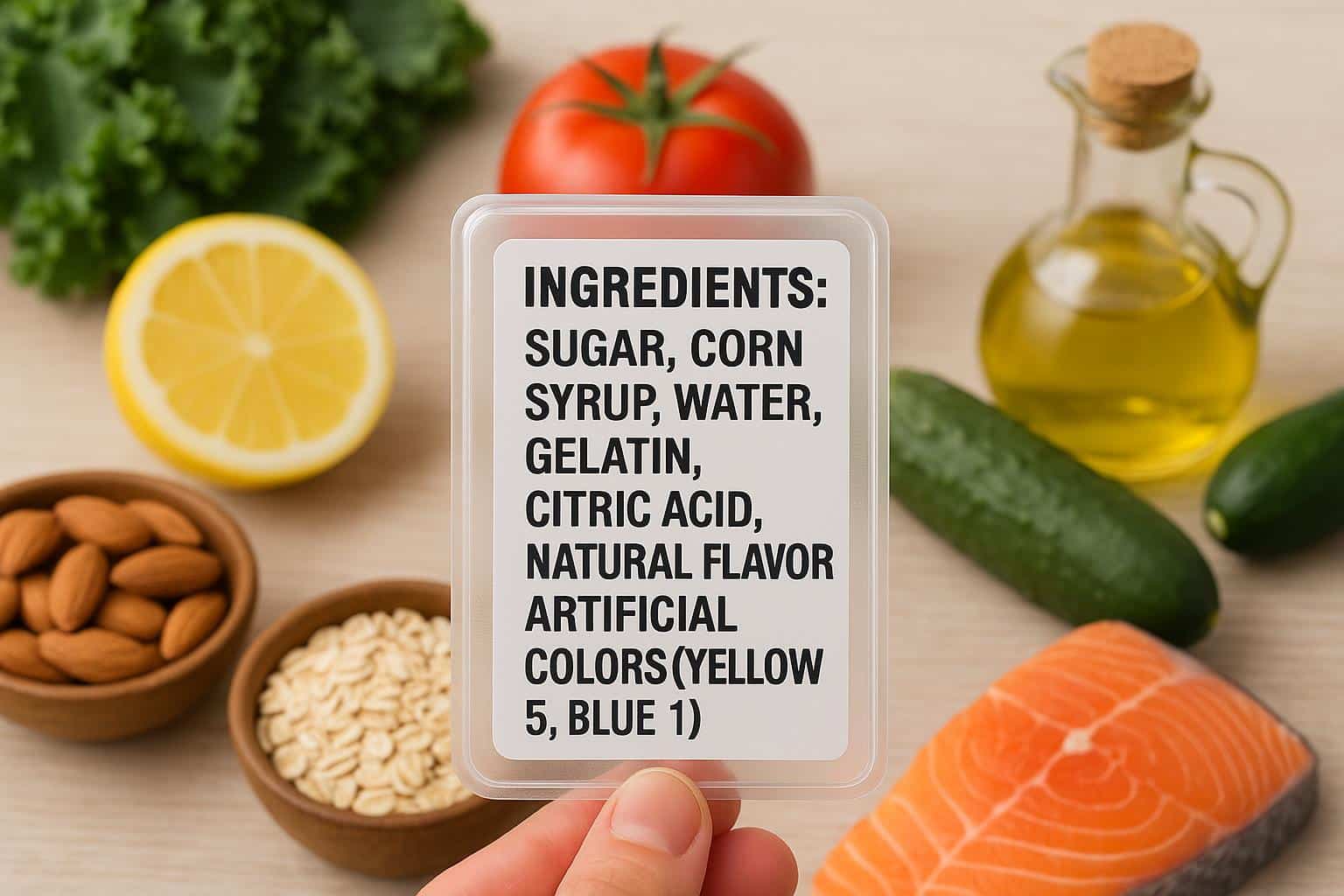
How We Got Here
The food industry played games for decades. Slap “natural” on anything. Call it “healthy” with zero proof. Use vague terms like “natural flavors” that could mean basically anything.
Shoppers started paying attention around 2019. By 2024, three out of four people read ingredient lists before buying. That’s a massive jump from just 58% five years earlier. Even crazier—most people now abandon products at checkout after reading what’s inside.
Why? The scandals piled up. Sweeteners causing health problems. “Natural” products full of synthetic garbage. Supplements loaded with mystery powders nobody asked for.
What Transparent Actually Means
Listing ingredients isn’t enough anymore. People want the whole story—what’s this ingredient, why’d you put it in there, where’d it come from?
Smart companies figured this out. Some switched to cannabis gummies without the sugar, using stuff like allulose that people recognize instead of hiding synthetic sweeteners behind vague language. Others post detailed breakdowns explaining every component.
The gap between old and new labels is huge. Old ones read like a chemistry test. New ones explain things in regular English.
The winners post lab results online. They show you where ingredients come from. Some let you tour their facilities or talk directly to their scientists.
The Sweetener Disaster
Nothing pushed this faster than artificial sweeteners. For years, “sugar-free” meant synthetic compounds nobody could identify.
Then studies started raising red flags. Metabolism issues. Gut problems. The science is still messy, but trust vanished overnight.
People started asking obvious questions. If your product needs six lab chemicals to taste sweet, what else are you hiding?
Companies scrambled toward natural options. Stevia. Monk fruit. Allulose from actual food. This happened because customers demanded it—regulations had nothing to do with it.
When “Natural” Stopped Working
“Natural” means nothing now. The rules are so loose that companies can label almost anything natural.
Shoppers learned fast. “Natural flavors” covers tons of different additives. “Naturally sweetened” might include heavily processed sugar alcohols. “Plant-based” says zero about how something was made.
The wellness industry got hit hardest. People buying supplements and health products want clean stuff. Finding out those products had questionable ingredients? The backlash was brutal.
Phones Killed Secrecy
Smartphones ended the hiding game. Apps like Yuka let you scan any barcode and instantly see what’s inside, health ratings, and warnings.
Social media made it worse for sketchy brands. One viral TikTok about a bad ingredient can destroy sales in hours. Companies that hid behind vague labels for years suddenly faced constant scrutiny.
You can’t hide when millions of people carry fact-checkers everywhere.
Keto Changed Everything
Diet movements pushed ingredient awareness mainstream. People managing blood sugar or doing keto can’t mess around with unclear labels. They need exact numbers for carbs, specific sugar sources, and clear sweetener types.
This created a huge demand for detailed labeling. Companies targeting diabetics and keto followers learned fast—transparency wasn’t optional. It was the minimum requirement.
The effects spread beyond specialty diets. Once people got used to reading detailed labels for health reasons, they expected it everywhere.
What’s Working
Companies treating labels as trust-building tools are crushing it.
What works:
- Post lab results so that anyone can see them
- Create simple glossaries explaining each ingredient
- Show exactly where stuff comes from
- List what’s NOT in there (often more important)
- Let customers ask questions directly
Some host webinars showing how they make products. Others share behind-the-scenes videos. The goal is to kill any doubt about what’s inside and why.
The Economics
Transparency costs money upfront. Better ingredients cost more. Testing adds expenses. Communication takes time.
But loyal customers pay off big. Research from 2025 shows transparent brands keep customers at rates more than double their competitors.
Markets prove people will pay extra for clarity. Products with clean, understandable labels outsell cheaper mystery-ingredient alternatives even when money’s tight.
Where This Goes
Demands keep growing. Now people want environmental data, labor info, and ethical sourcing details on top of ingredient transparency.
Some brands test blockchain for supply chain proof. Others try QR codes linking to video facility tours.
One thing’s obvious—people want more information, not less. Brands adapting are winning. Those hiding behind vague labels lose customers every quarter.
* * *
The transparency shift changed how people shop. “Trust us” doesn’t work anymore. People want to see it, check it, and understand it. Companies that get this build real relationships. Those fighting it keep learning the hard way that modern shoppers won’t back down on knowing what’s in their stuff.

