


Online shoppers cannot touch a garment, hold it to the light, or feel how it drapes. Every purchase decision they make is built on what they can see. That makes photography one of the highest-leverage decisions a clothing brand can make, and it is where many brands are quietly leaving money on the table.
The issues are rarely dramatic. They are often small, consistent mistakes that compound across an entire catalogue.
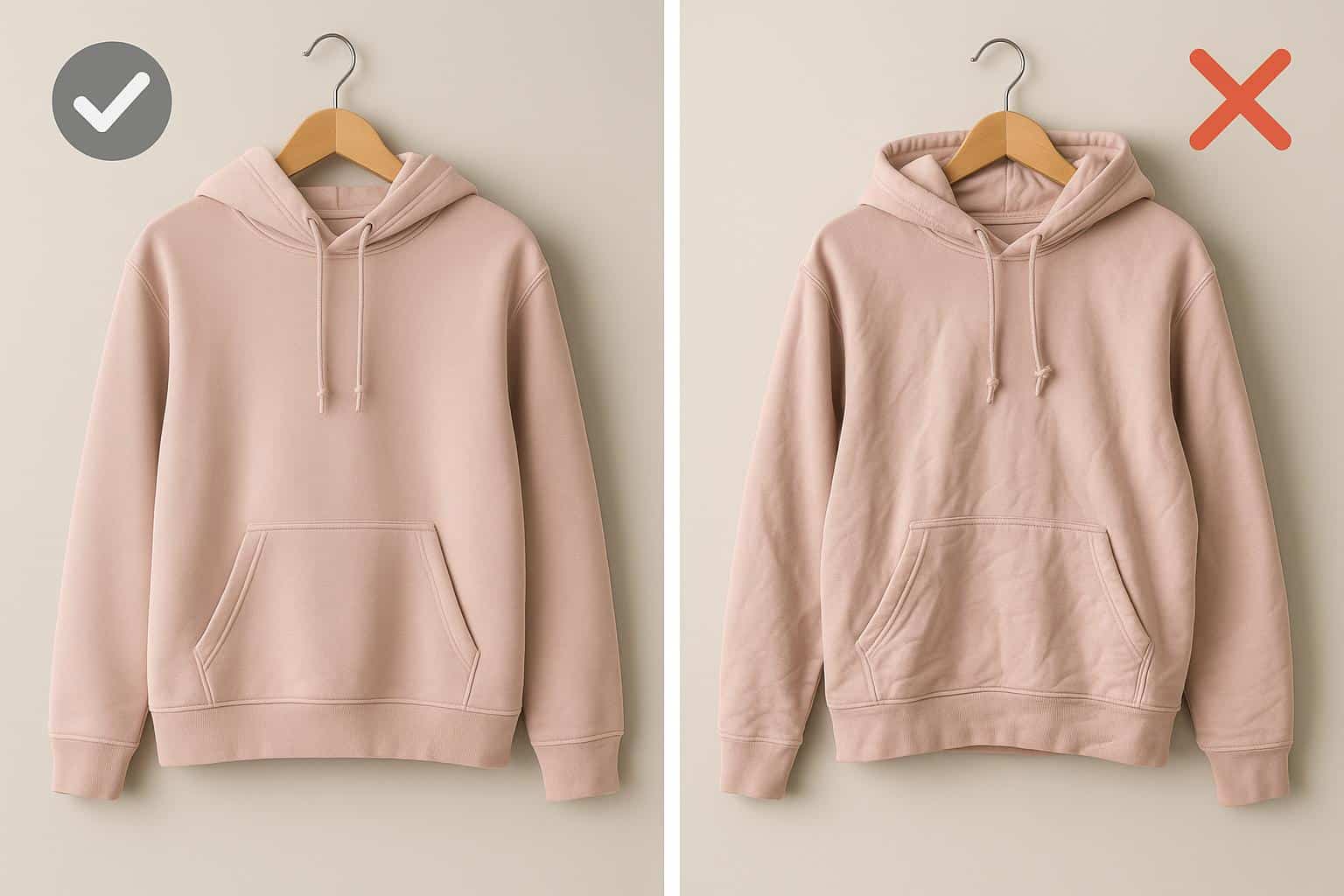
Low Image Quality Is Still More Common Than It Should Be
Research consistently shows that 90 per cent of online shoppers cite photo quality as the most important factor in their buying decisions. Yet a significant portion of fashion ecommerce sites still publish images that are too small, too compressed, or too poorly lit to give buyers the visual confidence they need to purchase.
A product shot that looks fine on a phone screen can appear soft or flat on a desktop display. Without zoom functionality and sufficient resolution, shoppers cannot examine fabric texture, stitching, or fit, and so they do not buy.
Showing the Product on a Model Versus a Ghost
Flat lay photography has its place, but it answers a different question than on-model photography does. A flat lay shows the item. A model shows the item worn, which helps buyers imagine themselves in it.
Studies show that on-model images help shoppers better evaluate fit, scale, and proportion, directly increasing purchase confidence and reducing the likelihood of a return. When a model’s body type also reflects the customer base, the mental leap from browsing to buying becomes noticeably shorter.
Inconsistency Across the Catalogue
Inconsistent photography is one of the most underestimated trust problems in fashion ecommerce. When images vary in lighting, framing, colour treatment, or model type across different products, the brand looks disorganised even if the products themselves are excellent.
Trust in fashion ecommerce is built visually before it is built by any copy or pricing. As research from Baymard Institute shows, inconsistency in product presentation actively undermines buyer confidence at the point of decision.
Too Few Angles, Too Little Detail
High-end fashion ecommerce brands average eight images per product. Many smaller brands publish one or two. That difference matters enormously when a customer is trying to assess how a garment moves, how the back looks, and what the collar or cuff detail actually involves.
The following are the angles and details that consistently support purchasing decisions for clothing:
- Front and back full-length shots of a model
- A side profile showing drape and silhouette
- Close-up of key details such as fabric texture, buttons, or stitching
- A flat lay or styled shot showing the item in context
- A size reference shot showing the garment on different body proportions
What Strong Photography Does for a Brand
Brands that invest in consistent, high-quality product photography see measurably higher conversion rates and lower return rates. For suiting and tailored menswear in particular, where buyers make considered purchases, the photography has to answer the question of how it will look on them before they spend.
Retailers like mens suit warehouse that present their range with clear, detailed visuals give buyers the confidence to decide without the uncertainty that kills conversion.
Getting photography right is not an aesthetic exercise. It is a sales decision.

