


Introduction
Financial stability plays a critical role in shaping healthy communities, resilient businesses, and long-term economic growth. In today’s rapidly changing economy, individuals and organizations alike are facing increased pressure from inflation, rising healthcare costs, and evolving consumer expectations. As a result, businesses are being challenged to create sustainable strategies that balance profitability with social responsibility.
Across multiple industries, companies are investing more heavily in programs that improve employee wellness, support local communities, and build trust with consumers. These efforts are no longer viewed as optional public relations initiatives. Instead, they have become essential components of modern business strategy.
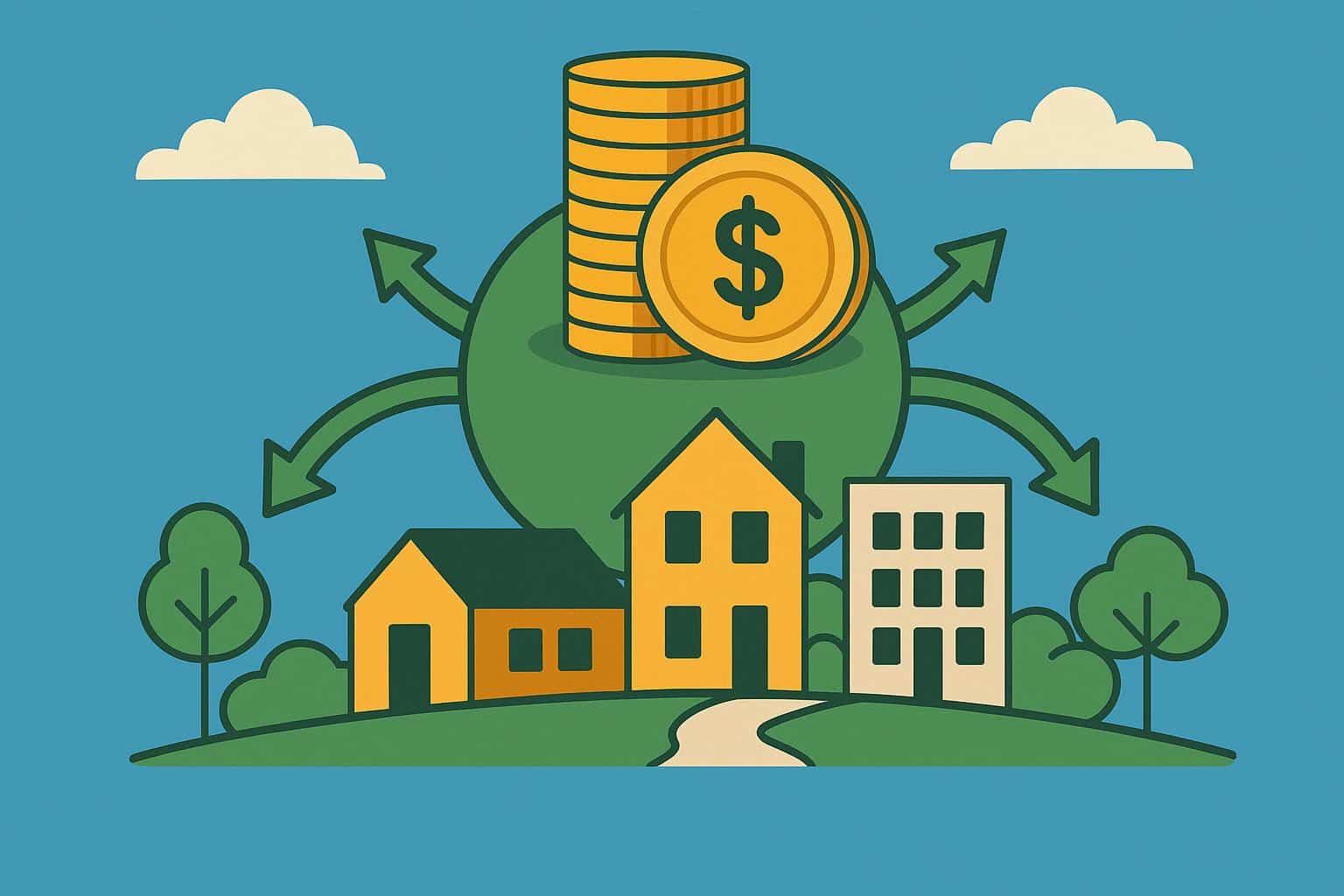
Recent developments in the healthcare and retail sectors highlight how strong financial performance can create broader economic opportunities. When a company succeeds financially, it often gains the flexibility to expand services, improve workforce benefits, and contribute to community development. A recent report discussing how CVS Health has improved its performance and continues to invest in future growth demonstrates how corporate success can also create positive economic momentum that financially supports broader industry progress.
The Connection Between Financial Health and Business Growth
Businesses with strong financial foundations are better equipped to adapt to market shifts and invest in innovation. In competitive industries, stability allows organizations to focus on long-term goals rather than short-term survival. This creates opportunities for expansion, research, improved customer service, and workforce development.
Financial resilience also increases investor confidence. Companies that consistently meet or exceed expectations are more likely to attract partnerships and funding opportunities that drive sustainable growth. In sectors like healthcare, retail, and technology, this financial flexibility can directly improve operational efficiency and customer experience.
At the same time, consumers are becoming more selective about where they spend their money. They increasingly support organizations that demonstrate reliability, transparency, and responsible leadership. Businesses that maintain healthy financial performance are often viewed as more trustworthy because they can continue delivering consistent services even during periods of economic uncertainty.
Ultimately, stable organizations contribute to healthier local economies. They create jobs, support vendors, and stimulate surrounding industries. This ripple effect strengthens communities and encourages broader economic resilience.
Why Community Investment Matters More Than Ever
Modern consumers expect businesses to contribute positively to society. Community investment has evolved from charitable giving into a strategic approach that strengthens both brand reputation and customer loyalty. Organizations that actively support local initiatives often build stronger connections with their audiences.
These investments can take many forms, including educational programs, healthcare access, workforce training, and infrastructure improvements. Businesses that participate in community-focused initiatives often see long-term benefits through stronger public trust and increased employee engagement.
Employee morale also improves when workers feel connected to a company’s broader mission. Many professionals prefer working for organizations that demonstrate social responsibility and meaningful community involvement. This can improve retention rates and attract highly skilled talent in competitive markets.
Additionally, communities benefit when successful companies reinvest locally. Economic support for schools, healthcare systems, and nonprofit organizations creates opportunities for long-term development. In many cases, these partnerships help address social and economic challenges more effectively than isolated efforts alone.
As industries continue evolving, community investment is becoming an important measure of corporate leadership and long-term sustainability.
The Growing Importance of Healthcare Accessibility
Healthcare accessibility remains one of the most significant challenges facing communities across the United States. Rising costs, staffing shortages, and changing patient expectations have forced healthcare providers and retailers to rethink how services are delivered.
Companies operating within the healthcare ecosystem are increasingly exploring innovative approaches to improve convenience and affordability. Retail pharmacies, telehealth services, and integrated care models are helping bridge accessibility gaps for underserved populations.
Financially stable healthcare organizations are better positioned to invest in advanced technologies, workforce expansion, and patient-centered solutions. These improvements can lead to better outcomes for individuals while reducing pressure on healthcare systems overall.
Technology is also transforming patient experiences. Digital scheduling platforms, online prescription management, and remote consultations are improving efficiency and expanding access to care. Businesses that embrace these innovations can better respond to changing consumer needs while maintaining operational stability.
As healthcare demands continue rising, organizations that prioritize both financial strength and accessibility will likely play a major role in shaping the future of community wellness.
How Economic Confidence Influences Consumer Behavior
Consumer confidence has a direct impact on business performance and economic activity. When individuals feel financially secure, they are more likely to spend money, invest in services, and support businesses within their communities. This increased activity contributes to economic momentum across multiple sectors.
Economic uncertainty, however, often causes consumers to reduce discretionary spending and prioritize essential expenses. Businesses must therefore build trust by demonstrating reliability, value, and adaptability during changing market conditions.
Strong financial performance can help companies maintain competitive pricing, improve customer support, and continue offering high-quality services even during economic downturns. This stability reassures consumers and strengthens long-term brand relationships.
Transparency also plays an important role in consumer decision-making. People are increasingly interested in how organizations operate, treat employees, and contribute to society. Businesses that communicate openly and maintain consistent performance are more likely to retain customer loyalty.
As market conditions continue evolving, organizations that prioritize financial responsibility alongside customer-focused strategies will remain better positioned for sustainable success.
Conclusion
Financial stability is no longer viewed solely as a measure of corporate success. It has become closely connected to community well-being, healthcare accessibility, workforce development, and long-term economic resilience. Organizations that maintain strong financial performance often gain the ability to invest in innovation, improve services, and support broader social progress.
At the same time, consumers increasingly value businesses that demonstrate responsibility, transparency, and meaningful community involvement. Companies that balance profitability with long-term societal impact are more likely to build lasting trust and sustainable growth.
Industries across healthcare, retail, and technology are continuing to evolve in response to economic pressures and shifting consumer expectations. Businesses that remain adaptable while investing in people and communities will likely shape the next phase of economic development.
Looking ahead, the organizations that thrive will be those that understand the deeper relationship between financial strength and public value. Sustainable growth will depend not only on profitability but also on the ability to create positive and lasting impact beyond the balance sheet.

