


Unexpected failures of equipment, increased maintenance expenses, and unplanned downtimes have the potential to silently interfere with daily operations and impact budgets. These problems tend to build with time, particularly when minor mechanical failures remain undetected during busy production periods.
This leads to the rise in safety risks and decrease in productivity, putting a strain on teams and schedules. However, daily maintenance checks offer a practical way to regain control through early detection of issues and maintenance of systems in their original condition.

When done appropriately, these checks promote consistent performance, safer working environments, and foreseeable operations.
The article explains clear, structured steps for performing routine checks on the maintenance of industries with authority and consistency.
1. Strong Foundations For Maintenance Readiness
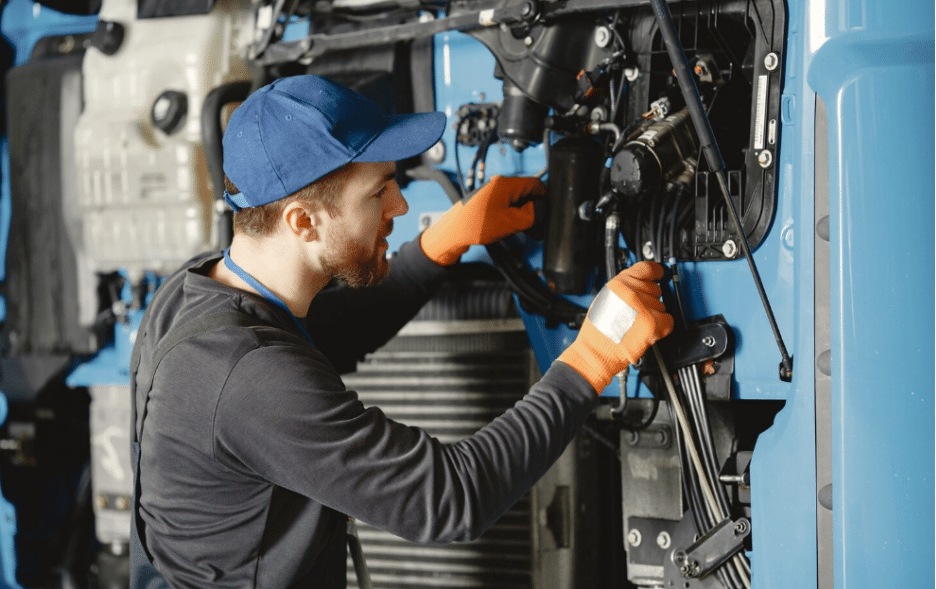
Before any inspection process begins, maintenance checks must be planned. Preparation would mean that inspections will provide clear and action-driven results rather than superficial observations.
Begin by reading equipment manuals, service histories, and past trends of failures to get acquainted with operational risks. This measure ensures that industrial maintenance activities are focused on prevention and not reaction.
Resources on industrial maintenance that focus on consistency and planning can be used to investigate structured maintenance practices. Next, make sure to confirm that inspection tools, safety equipment, and spare parts are ready prior to working.
Communication with the operations departments facilitates the scheduling of checks without affecting the production lines. On the basis of proper preparation, inspections are efficient, accurate, and repeatable.
2. Critical Asset Focus For Operational Stability
All facilities depend on equipment that has a direct impact on output, safety, and quality. By determining which of these assets is the most important at the early stages, you can focus on the areas where failure causes the most disruption.
Start by listing machines that assist core processes or machines that are subjected to high stress. This strategy makes sure that the inspections are based on the equipment that has the highest operational impact and risk exposures.
Once identified, determine variables, including age, frequency of use, and frequency of previous repair. Equipment that fails frequently or has excessive workloads should be monitored more frequently.
Prioritization also assists in smarter labor allocation, which enables maintenance teams work without haste but with a sense of clarity. This focused approach lowers emergency maintenance as time goes by and creates stability in the operations of the facility.
3. Structured Inspection Timelines That Work
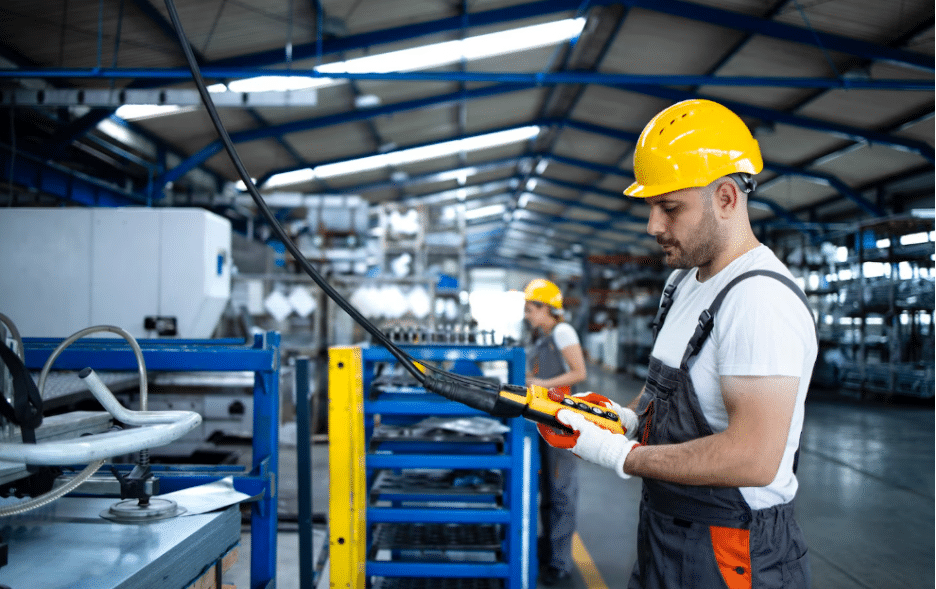
Consistency makes maintenance checks a reliable system as opposed to a reactive task. Create inspection schedules according to the recommendations of the manufacturing company and actual working conditions.
Certain components may need daily visual inspection, while others may carry out well with weekly or monthly reviews. Identifying frequency to real requirements aids in avoiding over-inspection as well as oversight.
After the timelines are established, write them down and share them with the teams. Defined schedules minimize misunderstanding and support accountability.
Digital tracking systems are also good as they record the completion and indicate when a check is missed. As inspection schedules become realistic and visible, teams adhere to them more, equipment health is improved, and interruptions do not occur as often.
4. Safety Control And Regulatory Alignment
Before any maintenance activity is done, safety should be taken into account. Ensure that there are proper shutdown procedures prior to the start of the inspections to avoid accidental startups.
This measure safeguards staff and enhances strict maintenance practices. Safety checks also involve inspection of guards, sensors, and emergency stops, which are typically less attentive than mechanical components.
Moreover, make sure that maintenance practices are in accordance with regulatory and internal safety standards. The compliance minimizes the risk exposure and promotes regular operating practices.
Safety reviews no longer remain an isolated task when they are incorporated into the routine checks, which enhance the overall reliability. A safety-first approach also instills confidence within teams and promotes confidence in the long-term operations.
5. Accurate Records For Smarter Decisions

Maintenance checks also attain some form of real gain, where observations are recorded accurately. Record alterations during inspection in the following vibration, temperature, pressure, or sound pattern.
These indicators usually give an early-stage problem that cannot be detected by just visual inspection. Regular documentation provides a clear image of the behavior of equipment over time.
Store records in a centralized system to enable trend comparison and analysis. When data remains accessible and organized, teams can identify patterns and predict failures with greater accuracy.
This approach shifts maintenance planning from guesswork to informed decisions. Over time, accurate records support proactive repairs, reduce downtime, and strengthen asset management strategies.
6. Timely Resolution And Performance Verification
Identifying issues means little without timely corrective action. After inspections, assign repair tasks with defined responsibilities and realistic timelines.
Clear ownership prevents delays and ensures that minor faults do not escalate into major failures. Communication between maintenance and operations teams also supports smoother execution.
Once corrective work is complete, verify that equipment performance has returned to expected levels. Follow-up checks confirm effectiveness and close the maintenance loop. Update records to reflect completed actions and lessons learned.
This disciplined follow-up process reinforces accountability and ensures that routine checks continuously improve equipment reliability and operational outcomes.
Conclusion
Routine industrial maintenance checks work best when they follow a structured and consistent approach. Preparation, asset prioritization, and realistic schedules create a strong foundation for reliable inspections.
Safety reviews and accurate documentation add depth by protecting personnel and supporting informed decisions. Corrective actions and follow-up verification ensure that identified issues lead to measurable improvements.
Together, these practices help you move away from reactive repairs toward controlled, predictable operations. When maintenance becomes a routine discipline rather than an occasional response, equipment reliability improves, downtime decreases, and operational confidence grows across the facility.

