


You pack drinks to take on a trip, add ice, and expect that they stay cold for hours. But the ice melts away, the water collects at the bottom, and the cans get wet and more difficult to arrange.
Meanwhile, the temperature initially decreases and then gradually rises, so the last drink is usually not as cold as the first. When you go on longer drives, you have to stop to get more ice, and that interrupts the plan. Moreover, melting ice decreases storage space and has to be emptied regularly.
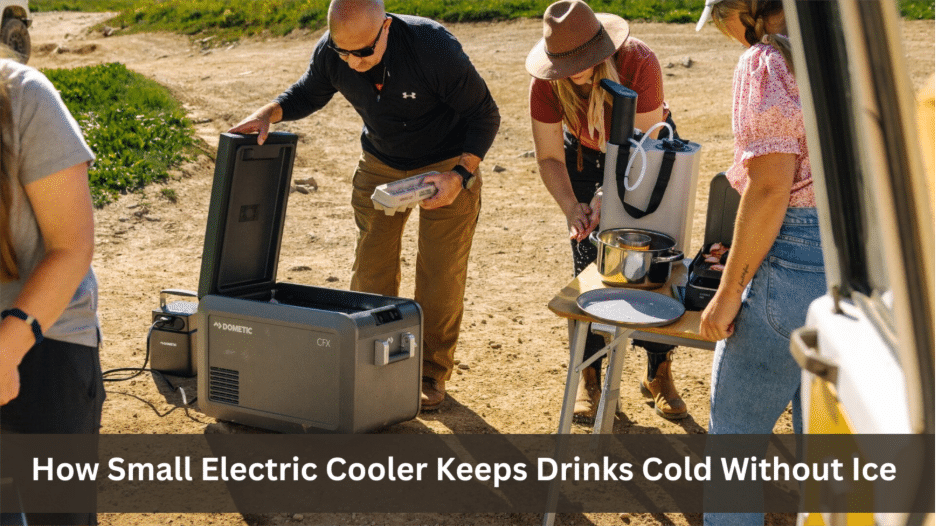
A small electric cooler resolves these problems by replacing ice with electric cooling. It does not rely on ice but rather keeps the internal temperature at a low level through electricity. Consequently, beverages remain cold, dry, and consistently chilled without repeated maintenance.
The article describes how a small electric cooler keeps drinks cool, the technology behind it, and the practical benefits of its use in everyday life.
1. Powered Cooling Replaces Need for Ice

A small electric cooler uses electricity rather than ice to cool drinks. After being connected to a car socket, portable battery, or wall socket, the cooler lowers the internal temperature and automatically maintains the inside temperature.
This powered cooling system is continuous and does not require ice packs, prevents leaks, and keeps beverages organized. Moreover, there is no melted ice or water occupying the cooler space.
Powered cooling keeps drinks cold and ready, whether on a road trip, outdoor activity, or the worksite, without frequent maintenance or interruptions.
2. Heat Removal Maintains Stable Temperature
Electric coolers operate by actively expelling heat from the interior as opposed to merely containing it. Cooling components withdraw heat from drinks and air within the unit and expel it outside through a fan or a heat sink.
This constant process ensures that the inside temperature remains constant despite the frequent opening of the lid or even an increase in external temperatures.
Compared to ice, which becomes ineffective in terms of cooling, electric coolers maintain a consistent cold temperature for beverages, which can be used on trips, for outdoor activities, or for day-to-day use.
3. Cooling Mechanisms That Replace Traditional Ice

The cooling systems in small electric coolers are either thermoelectric-based or compressor-based. Thermoelectric units transfer heat by using an electrical current, cooling the inside and expelling heat to the outside.
The models are lightweight and can be used in moderate weather or for short-range trips. Moreover, the compressor units are designed as mini refrigerators that absorb heat inside the cooler and expel it to the outside.
They are capable of reaching near-freezing temperatures and maintain consistent cooling in hot places. Therefore, the choice of cooling method is based on the desired temperature, trip duration, and weather conditions, so that beverages can remain cold.
4. Insulation Supports Ice-Free Performance
Efficient insulation is important in ensuring cold temperatures are maintained without using ice. The high-density walls reduce the heat that enters the unit, and this enables the cooling system to run more efficiently and consume less power.
Insulation also slows the rise in temperature during short power interruptions, which keeps the drinks chilled longer. Moreover, it limits the amount of heat transferred and, as a result, reduces the load on cooling components and assists in stabilizing internal conditions.
Insulation in combination with powered cooling eliminates temperature variation and enables constant operation in mobile and outdoor environments without relying on ice.
5. Consistent Temperature from Start to Finish
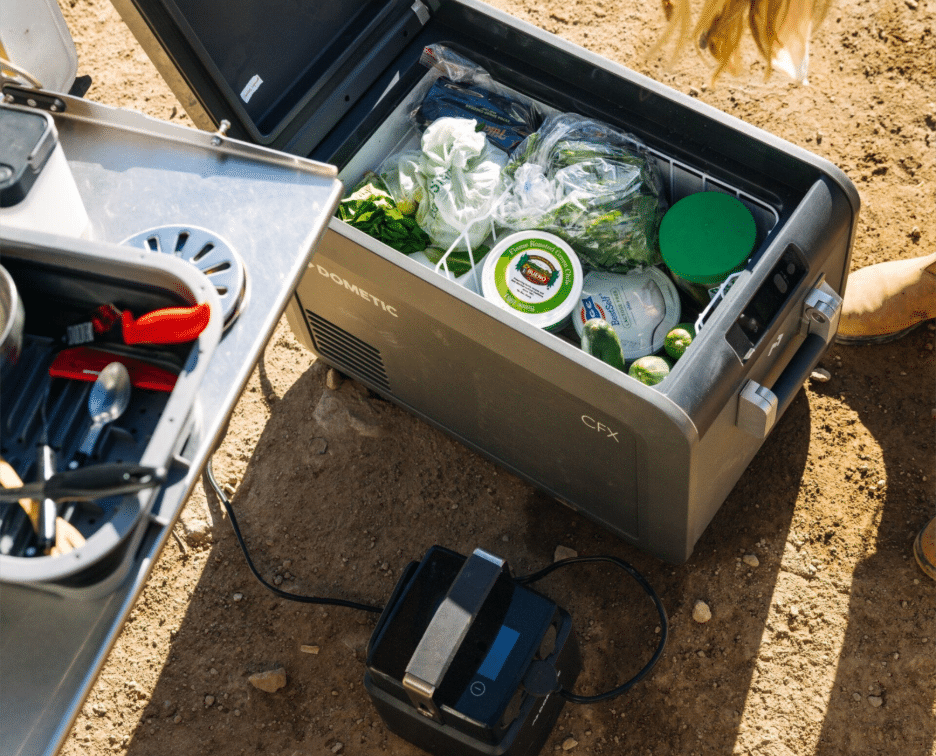
Temperature remains the same no matter how often it is used and offers the same cooling experience from the first to the last drink. These small electric coolers can run consistently on power, unlike ice, which loses its effectiveness and becomes useless after some time.
Most models have temperature regulation to achieve accurate chilling, with compressor units achieving almost freezing temperatures and thermoelectric models providing a stable cooling compared to ambient temperatures.
Constant operation, along with insulation, eliminates heat spikes upon opening of the lid, avoiding uneven temperatures. This uniformity is particularly practical during long trips, outdoor events, or at the workplace, where it is necessary to keep the beverages cold.
The outcome is the availability of cold drinks at all times, repeated checking, or adding more ice.
6. Maximum Storage Without Meltwater
Electric coolers eliminate the use of ice; all of the inside space is available for drinks and other supplies. Conventional ice-based coolers need space to store ice packs that constrict storage space and form water upon melting.
Meltwater needs to be drained and cleaned as well, which adds to the additional work after use. Small electric coolers keep the inside dry and structured so that the bottles and cans are clean and easy to access.
As there is no ice or water to handle, it makes packing easier and cleaning up quicker. Space efficiency of these coolers makes them handy during road trips, camping, workplaces, or any other occasion when more than one drink or container needs to be kept cold. Continuous cooling and dry storage offer a reliable, hassle-free performance.
Conclusion
Smaller electric coolers are a stable method of keeping drinks cold without the use of ice through the combination of powered cooling, the removal of heat, and insulation. They are consistent in temperature, remove meltwater, and provide maximized storage capacity, and thus are useful in road trips, outdoor activities, and the workplace.
Using thermoelectric or compressor units, these units are flexible in different settings and trip lengths. Electric coolers make packing easy, minimize maintenance, and keep drinks chilled all the way through, offering the same convenience at all times where cold drinks are required, eliminating the need to carry ice.

