


Signing up for a new online service once meant digging out your ID, snapping photos, and waiting around for approval. Open banking APIs have flipped that experience on its head. With a quick permission click, they pull the exact details needed straight from your bank account and complete the check in seconds—no uploads, no delays, no hassle.
This change is already saving people time and cutting down on frustration across all kinds of websites and apps. Instead of interrupting your flow with paperwork, the process now happens smoothly in the background. Let’s break down exactly how it works and why it feels like the check never happened at all.
Why Traditional Verification Used to Slow Everything Down
Before open banking came along, every company had to build its own system for confirming who you were. That usually meant asking for several forms of proof, and the process created constant bottlenecks:
- Hunting down a driver’s license or passport and photographing it clearly.
- Taking a selfie that matched specific lighting rules.
- Uploading utility bills or bank statements that sometimes got rejected.
- Waiting anywhere from minutes to several days while someone manually reviewed everything.
These steps added up fast. Many people simply gave up halfway through and never finished creating an account. The whole routine felt clunky and intrusive, especially when you just wanted to try out a new service.
Banks, on the other hand, already verify customers thoroughly when accounts are opened. Open banking APIs now let other companies borrow that same trusted information—safely and only with your approval—without reinventing the wheel every time.
How Open Banking APIs Work Behind the Scenes
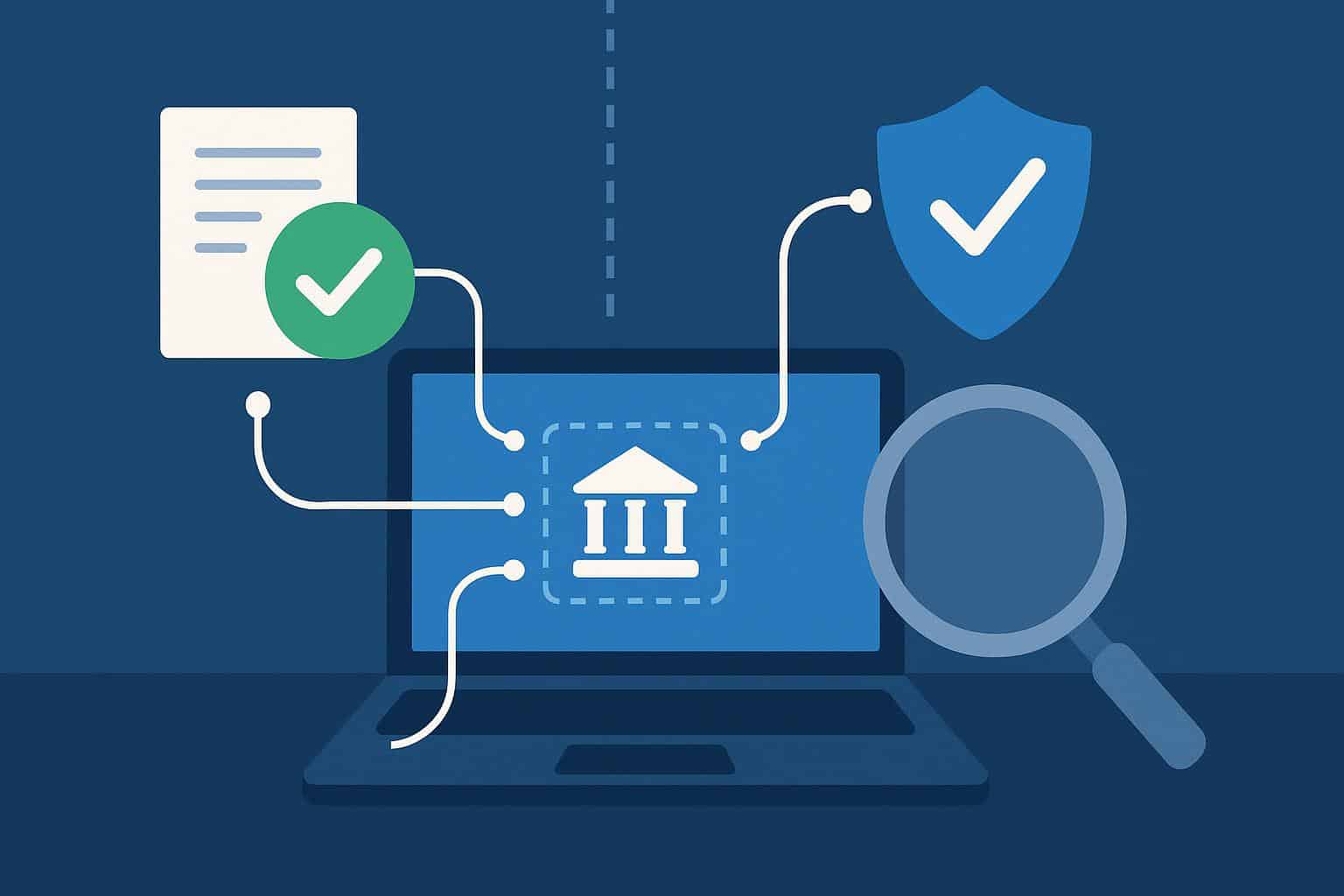
Here’s the straightforward part. You start the sign-up process and choose the open banking option. A secure window pops up asking for permission to connect to your bank. Once you approve, the API sends a targeted request for just a few pieces of information: your full name, date of birth, and current address.
The bank responds almost instantly with a simple “yes, this matches” message. Everything is encrypted end-to-end, and you stay in full control. You can see exactly what data is being shared, and you can stop the connection at any moment if you change your mind. No transaction history is viewed unless you specifically allow it.
The process usually takes less than 20 seconds from start to finish. Many services now let you choose which bank account to connect if you have multiple ones. This gives you flexibility while keeping the experience simple. Because the data comes straight from your bank instead of self-reported forms or scanned documents, mistakes drop dramatically and fake identities become much harder to create. The entire handoff happens in the background, so you barely notice it.
The same secure connection also powers smooth transactions in fast-paced environments. Casino Runa uses open banking APIs to let players instantly confirm their details when adding funds to their account, so the deposit goes through without any extra forms or waiting.
Traditional Checks vs Open Banking APIs
To see the difference clearly, here’s a side-by-side look at how the two methods compare:
| Step | Traditional Method | Open Banking API Method |
| Time required | 5 minutes to 3+ days | Usually under 30 seconds |
| Documents needed | Photos of ID, bills, selfies | None—handled directly by your bank |
| User effort | High (multiple steps and uploads) | One click to approve the connection |
| Success rate | Often fails due to image quality | Much higher with direct bank data |
| Security level | Relies on uploaded files | Uses bank-grade encryption and consent |
| Repeat process | Required for every new service | One-time permission that’s easy to manage |
The table shows why so many users now prefer the open banking route—it simply gets out of the way.
Security and Privacy: What Actually Happens to Your Data
One of the biggest concerns people have is whether their banking information stays safe. The good news is that open banking was built with strong privacy protections from the start.
When you give permission, the service never gets direct access to your bank account or login credentials. Instead, it receives only the specific pieces of information it requested through a secure, temporary connection. Your bank never shares your full financial history or balance unless you explicitly choose to allow it for other features like payments.
Most importantly, the connection is one-time or short-term by default. You can easily review and cancel any permissions through your bank’s app or website at any time. This level of control is much greater than what you get when uploading copies of your personal documents, which can be stored indefinitely by different companies.
Key Advantages Users Notice Immediately
Once open banking verification is available, several practical benefits become obvious right away:
- Lightning-fast onboarding: Move from new user to active member without any waiting
- Zero paperwork headaches: Skip digging through old mail or struggling with your phone camera
- Higher success rates: Fewer abandoned sign-ups because the process feels effortless
- Stronger fraud protection: Information is pulled from regulated banks rather than potentially altered documents
- Complete user control: You decide what gets shared and can revoke access anytime
- Fewer mistakes: Automatic data transfer eliminates typing errors or mismatched details
Companies love it too because they spend less time chasing paperwork and dealing with support tickets. It’s a rare situation where everyone ends up better off.
What This Means Going Forward
Open banking is still growing, and the verification process will keep getting even more invisible. Soon you might not even realize a check took place—you’ll just log in, give one quick approval, and get straight to what you came for.
This opens the door for all kinds of new services that previously struggled with slow sign-ups. Small subscription boxes, freelance marketplaces, and specialized apps can now build trust quickly without hiring large review teams. As more banks open up their systems and more countries adopt similar frameworks, this technology will become the standard way to prove who you are online.
Banks and technology providers continue to expand connections, so more accounts become compatible every month. Regulators are also stepping in to make sure the system stays secure and user-friendly.
The biggest winner is you, the everyday user. Verification checks that once interrupted your flow now happen quietly in the background. Online life becomes faster, simpler, and more secure—all because of a smart connection between your bank and the services you want to use.
Open banking APIs haven’t just sped things up. They’ve made the entire identity check disappear from view, and the future looks even smoother from here.

