


Three out of four shoppers have walked into a store they’d never visited before just because of its sign. That’s not a marketing myth; it comes from a FedEx Office survey with Ketchum Global Research & Analytics.
Almost seven in ten people say a sign has caught their eye and led them to make a purchase. And three out of four have told others about a business simply because its sign stood out. These stats reveal something many retailers overlook: signs are one of the most underused ways to drive growth.
- Your Storefront Is Selling Before You Open the Door
- The 76% Statistic Every Shop Owner Should Remember
- Why Neon Works When Other Signs Get Ignored
- LED Neon Sign vs. Glass Neon Sign: Getting the Technology Decision Right
- The Free Marketing Your Sign Is Already Generating
- Placement: Where Most Businesses Leave Money on the Table
- What Neon Signs Actually Cost and How Fast They Pay Back
- Market Trends: Why Neon Is a Growing Bet, Not a Fad
- The Neon Sign Isn’t Decoration. It’s Brand Infrastructure.
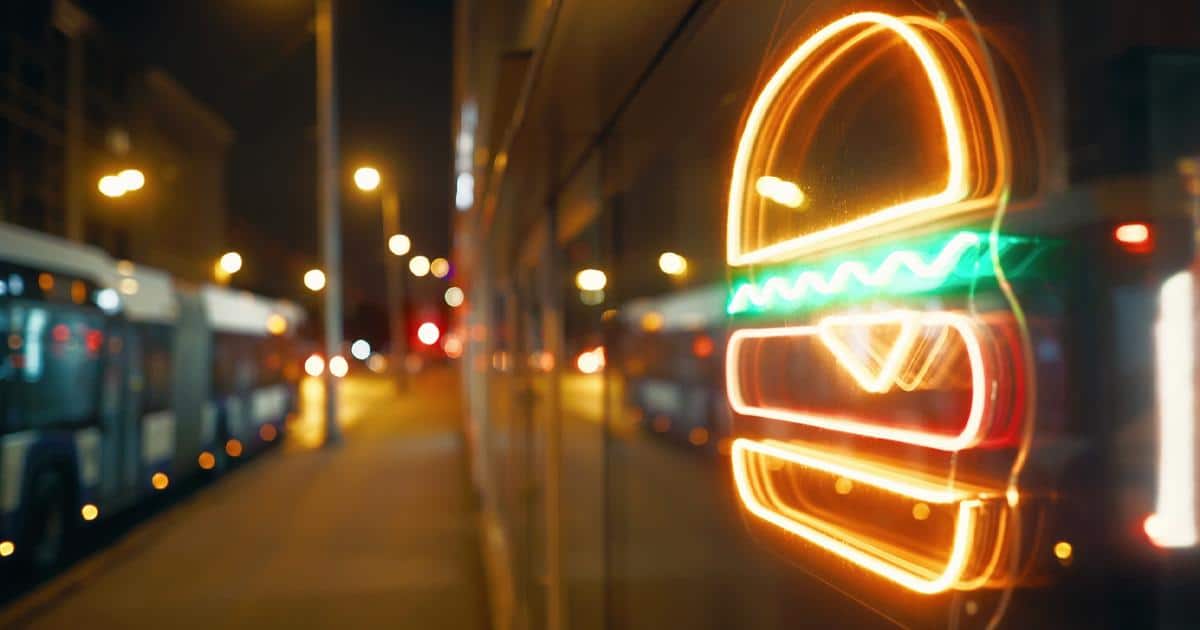
Most brands spend months perfecting their product selection and planning marketing campaigns, but it’s often the sign above the door that creates first impressions and draws customers in every day. Neon signs take this even further by making your storefront a powerful, always-on branding and customer magnet.
This guide will explain how neon storefront signs grab attention and influence buying decisions, how LED neon sign (a type of neon sign that uses light-emitting diodes) stacks up against traditional glass neon, how color and placement can boost results, and what the real numbers show about ROI (return on investment) and payback, especially for large businesses or those with multiple locations.
Your Storefront Is Selling Before You Open the Door
The human brain recognizes visual cues in just milliseconds. Most people form their opinions about your store from the sidewalk, even before they enter. Bright, high-contrast illuminated signs work with this instinct; they stand out and grab attention, cutting through the distractions of a busy street.
Studies of over 1,000 retail locations indicate that improved signage can increase average sales by more than 7%. For a business making $500,000 a year, that’s tens of thousands of dollars in extra revenue from one well-placed sign, which is exactly why many retailers are switching to custom LED neon signs as their first upgrade.
For companies with multiple stores or franchises, upgrading signage isn’t just decoration; it becomes a valuable part of the business infrastructure that can pay off across dozens or even hundreds of locations.
The 76% Statistic Every Shop Owner Should Remember
The FedEx Office study quantifies what many retailers sense but rarely budget for. Here’s what it found:
- 76% of consumers enter a store they’ve never visited based on its sign.
- 68% have purchased because a sign caught their attention
- 75% have told someone about a business solely based on its signage.
- 68% believe sign quality reflects the quality of products or services
The Sign Research Foundation found that adding just one more sign can boost annual sales by an average of 4–5%. In some cases, about 60% of businesses saw their sales jump by 10% or more after updating their signs.
For business owners, these results make commercial neon signage one of the most cost-effective ways to increase revenue per location, especially when stacked against other investments in equipment or advertising.
Why Neon Works When Other Signs Get Ignored
Neon signs produce their own light instead of relying on reflected light. This difference is important in real-world situations, like at dusk, during rain, or in visually busy areas. A self-lit sign remains clear and eye-catching, while a backlit poster or regular banner can easily blend into the background.
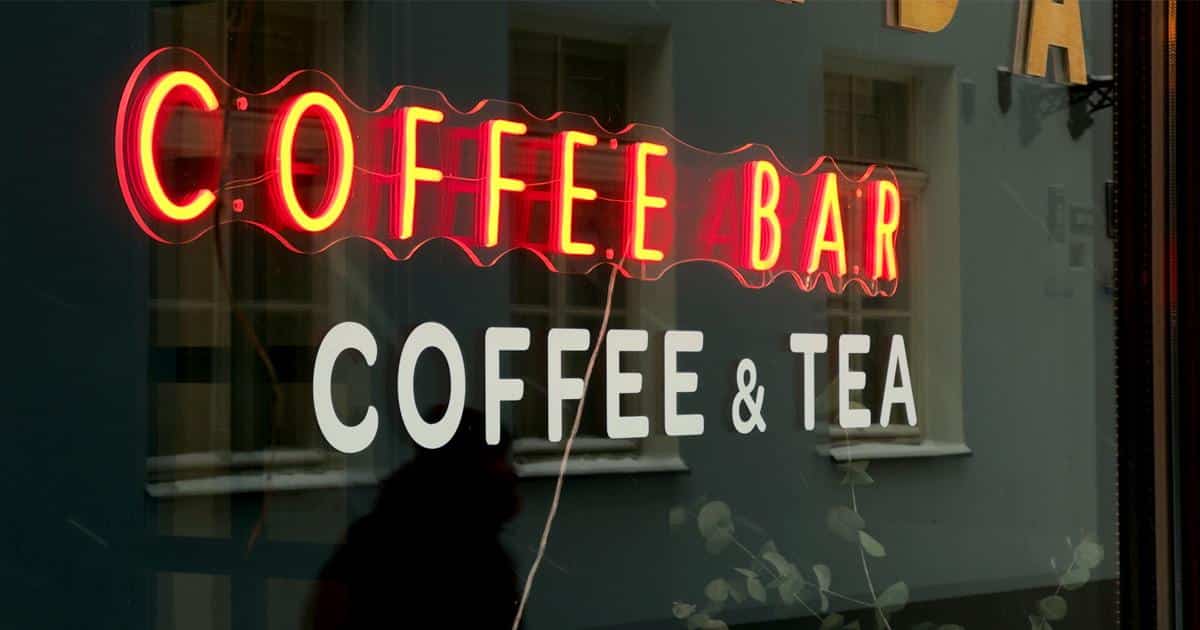
Color psychology also plays a key role, especially for businesses that want consistent signage across different locations:
- Red creates a sense of urgency and excitement, making it ideal for restaurants, special promotions, and impulse-driven businesses.
- Blue suggests trustworthiness and calm, which is why it’s common among wellness brands, tech stores, and service companies that need to quickly earn customer trust.
- Yellow and orange feel warm and welcoming, making them excellent choices for cafés, bakeries, and family-oriented brands.
- Pink and purple are associated with romance and luxury, making them a good fit for beauty brands, lifestyle stores, and high-end retailers.
A 2023 study in SAGE Open found that certain combinations of color, lighting, and large entryway designs made spaces much more visible and increased the chances that people would walk in and look around. That’s not just about looks; it has real effects on customer behavior.
For brands with multiple locations, color choices, and design elements can be treated as factors that impact performance, not just style decisions.
LED Neon Sign vs. Glass Neon Sign: Getting the Technology Decision Right
Traditional glass neon signs are handcrafted from glass tubes filled with gases such as neon or argon. They emit a warm, natural-looking glow that has been popular among designers and bar owners for decades. This classic style is perfect for jazz bars, retro diners, and brands that want to highlight authenticity and nostalgia.
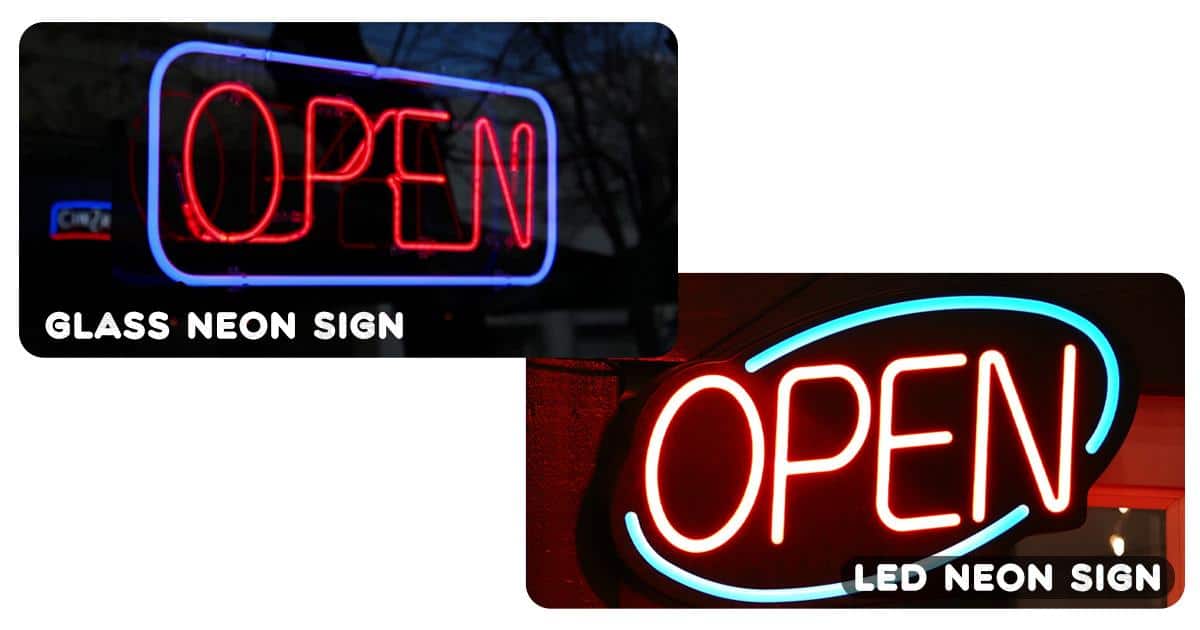
However, glass neon signs have some downsides: they don’t last as long, are fragile, cost more to maintain, and aren’t weather- or rough-treatment-resistant.
LED neon signs use flexible LED strips covered in silicone or PVC to mimic the look of glass neon while using much less energy. Good-quality LED neon can last between 30,000 and 80,000 hours or more, compared to about 8,000 to 15,000 hours for standard glass neon.
LED neon also saves a lot of energy, using about 70–80% less electricity at similar brightness levels.
Here’s a quick comparison:
- Lifespan: LED neon usually lasts 50,000-100,000 hours; glass neon lasts 8,000-15,000 hours.
- Energy use: LED neon uses about 70–80% less power at the same brightness, lowering bills and reducing environmental impact.
- Durability: LED is tough and weather-resistant; glass is fragile and more prone to breaking during transport or installation.
- Maintenance: LED units require very little maintenance thanks to their modular parts; glass neon units often require specialized repairs and occasional gas refills.
- Appearance: Glass neon has depth and subtle variations that LED can’t fully match, yet are important for brands focused on a truly vintage look.
For most modern businesses, such as retail shops, salons, gyms, and trendy cafés, LED neon’s efficiency, safety, and lower costs make it the practical choice.
Still, glass neon stands out where an authentic handcrafted look isn’t just appealing; it’s essential to the brand.
The Free Marketing Your Sign Is Already Generating
Walk into most cafés, boutiques, or bars with a strong organic social media following, and you’ll almost always spot a unique illuminated sign in the background.
Neon signs are naturally eye-catching. They provide flattering light, draw attention, and give customers an instantly recognizable brand feature they’re eager to share in their photos and posts.
This is where user-generated content becomes a real advantage. Customers help spread your brand’s image at virtually no extra cost to you.
Some venues have seen big jumps in social media tags and noticeable revenue growth after adding especially shareable neon signs. This aligns with broader research showing that eye-catching signage attracts much more attention than static displays.
For larger brands, designing a sign that serves as both a wayfinding tool and a photo backdrop can boost the impact of both paid and organic media without increasing costs.
Placement: Where Most Businesses Leave Money on the Table
Many businesses focus heavily on what their sign says and how it looks, but often treat placement as an afterthought. In reality, where you put your sign usually has a bigger impact than small design tweaks.
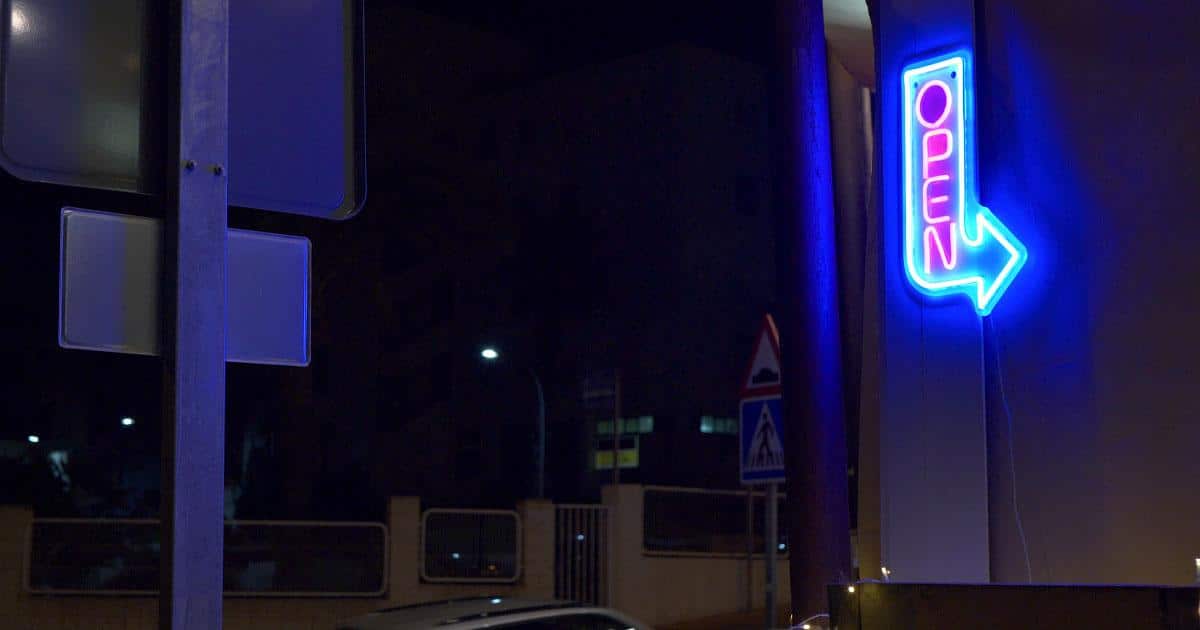
Placement affects how people see your sign: their viewing angles, how far away they can spot it, whether more pedestrians or drivers notice it, and how the sign works with your store’s interior. Some key points:
- Placing signs on exterior windows gets them in front of both foot traffic and passing cars, making this spot especially valuable for busy street locations.
- Putting signs inside the window (so they’re visible from outside) adds depth, protects them from the weather, and still lets people look into your space.
- Signs at entrances and thresholds confirm to visitors that they’re in the right place and set the tone as soon as they walk in.
- Interior feature walls behind counters or main displays are perfect for creating photo opportunities and backdrops for user-generated content.
Legibility is often overlooked. A sensible rule: use at least 1 inch of letter height for every 10 feet you want the sign to be readable from. If you want your storefront sign to be visible from 50 feet away, your letters should be at least 5 inches tall.
For businesses rolling out signage across different locations and sightlines, turning these guidelines into clear design standards helps ensure consistent results everywhere.
What Neon Signs Actually Cost and How Fast They Pay Back
For businesses that rely on foot traffic, investing in high-quality LED neon signs makes simple financial sense. Most of the expense is upfront, but the benefits add up every day through better visibility, more walk-ins, and higher sales.
Boutique shops and salons typically spend $500 to $1,200 on custom signs, plus installation if needed. Cafés and bars usually pay between $600 and $2,000, depending on the size and whether the sign is for indoor or outdoor use.
Fitness and wellness studios generally invest between $700 and $1,500 in branded feature signs. Restaurants that need strong curb appeal often spend between $800 and $2,500.
Many businesses see a return on their investment within a year. Some report 15–30% increases in walk-in customers or in appointments in the months after installing new signage. Research from POPAI reveals that promotional signs can significantly increase impulse purchases.
Overall, upgrading your signage often delivers better value for money than traditional advertising methods. About 60% of businesses report increased sales after improving their signs.
Market Trends: Why Neon Is a Growing Bet, Not a Fad
Market studies estimate that the global neon signs market will be worth several billion dollars by the mid-2020s, with steady mid-single-digit annual growth expected through 2032.
Most of this growth comes from the increasing use of LED neon. In fact, LED neon is poised to surpass traditional glass neon as more businesses seek energy efficiency, safety, and flexible design options on a larger scale.
For enterprises and franchise systems, this trend means practical benefits. As the supplier network expands and matures, businesses can expect better prices, improved product choices, and more dependable support in the future.
The Neon Sign Isn’t Decoration. It’s Brand Infrastructure.
Neon signs for storefronts hold a special place; they serve as both advertising tools and key parts of your brand, and when designed well, they become a constant way to attract attention.
Now that LED technology looks almost as appealing as traditional neon, yet uses less energy, lasts longer, and is safer, most businesses aren’t asking whether they should have a lighted sign. Instead, the questions are: What type of sign should we choose? Which color works best? Where should we place it to get the most impact at this location?
Studies show a clear pattern: when people see your business, they’re more likely to come inside; more visitors mean more sales, which lead to word-of-mouth recommendations and social media buzz. Your storefront sign is the first step in that process. To improve results at all your stores, think of your sign as a vital business tool, not just decor.

