


Addiction is a complicated and progressive health issue that impacts both the body and the brain. It affects the way an individual thinks, feels, and acts, often leading to severe physical, emotional, and social effects.
Over time, drug use may elevate the potential risk of overdose, alcohol poisoning, organ damage, accidents, and untreated mental health conditions. These dangers make addiction one of the most threatening health challenges that a lot of people struggle with.
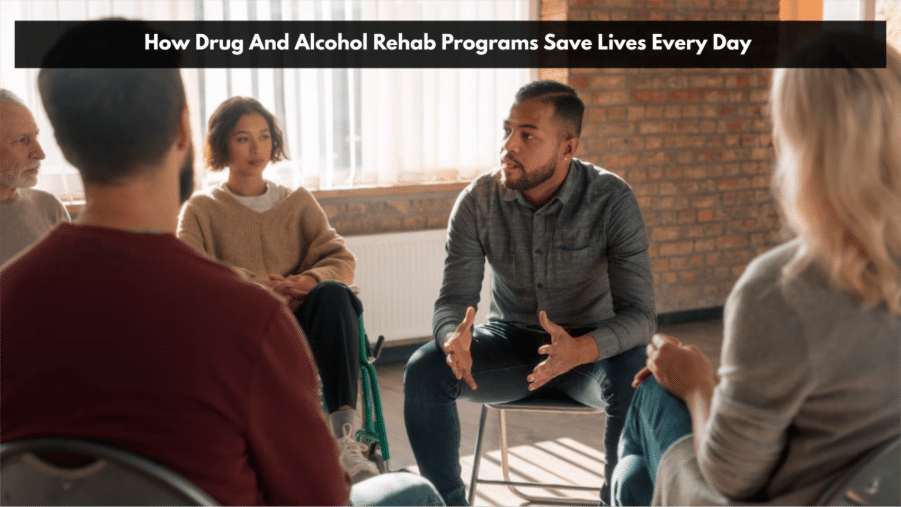
However, the situation can be healed through systematic, professional treatment. The alcohol and drug rehabilitation programs are primarily structured to minimize short-term risks while providing a proper path to long-term stability. These programs offer necessary security, especially at critical phases of healing through medical oversight, therapeutic support, and continued guidance.
The following essential elements show how organized rehabilitation programs minimize the vital threats, enhance the stability, and proactively assist in saving lives every single day.
1. Provide Safe Medical Detox for Stabilization

Medical detoxification is very important at the beginning of recovery. Once an individual quits consuming alcohol or drugs, the body reacts by forming withdrawal symptoms that may be either uncomfortable or fatal.
Consequently, entering a structured drug and alcohol rehab program ensures that this step is controlled under consistent medical supervision. This professional care safeguards individuals during one of the most physically vulnerable treatment phases.
In addition, qualified healthcare professionals observe vital signs, prescribe the right medications, and effectively react to emerging complications. Consequently, the risks associated with seizures, dehydration, and heart-related issues are greatly minimized.
Most of all, detox creates the necessary physical stability. After getting rid of harmful substances, people are better and more prepared to actively participate in therapy and ongoing recovery efforts.
2. Reduce Overdose Risk Through Structured Treatment
Following detox, the overdose risk might be even greater when an individual gets back to using the substances. This is because the level of tolerance decreases, making previously used amounts potentially fatal.
Organized treatment methods help eliminate this threat greatly by offering constant care and supervision. The inpatient and residential programs provide a controlled environment where victims are removed from triggers and access to substances.
This secure environment enables individuals to be fully involved in the healing process, free of external influences and temptations. Moreover, certain programs include medication-assisted treatment where necessary.
These medications assist in decreasing the cravings and suppressing severe withdrawal symptoms. Consequently, the chances of relapsing are reduced, and the threat of accidental overdose and lethal outcomes is directly decreased.
3. Address Co-Occurring Mental Health Disorders

Most of the individuals with addiction also experience mental disorders like anxiety, depression, trauma-related disorders, or mood swings. Failure to treat these conditions increases the chances of relapse. Thus, detailed rehabilitation programs focus on both substance use and mental health.
With the help of professional counseling and psychiatric assistance, people are diagnosed correctly and given a treatment plan that fits their needs. The therapy sessions assist in uncovering emotional pain, past trauma, or stress patterns that might have led to substance use in the first place.
Besides, treating the underlying causes alongside addiction rehab programs enhances long-term stability. As mental health is enhanced, people become better equipped to deal with emotions in healthy ways. This dual emphasis greatly decreases the chances of self-destructive behavior and life-threatening relapse.
4. Strengthen Relapse Prevention and Coping Skills
Stopping substance use is just one aspect of recovery. The long-term success depends on learning to deal with stress, conflict, and everyday problems without relapsing to drugs and alcohol. Rehab programs spend much time on relapse prevention training.
Individuals participate in therapy sessions where they are taught coping skills, communication techniques, and problem-solving strategies. They learn how to recognize triggers, cope with cravings, and react to emotional distress in productive ways. These skills become useful tools for everyday living.
Also, group therapy offers peer support and mutual learning. Listening and sharing personal struggles with other people creates confidence and responsibility. As time goes by, people become resilient, which plays a critical role in securing their lives and ensuring sobriety.
5. Build Long-Term Support for Recovery

The healing process continues even after an individual gets out of a treatment facility. In fact, the process of returning to regular life can be among the most difficult stages. Successful rehab programs recognize this and develop progressive aftercare plans to maintain progress.
Outpatient therapy, support groups, subsequent medical supervision, and frequent visits with counselors may form part of the aftercare. These ongoing services provide stability and reduce feelings of isolation. When the support is maintained, the risk of relapse decreases significantly.
Moreover, many programs encourage family involvement and community connection. Rebuilding relationships and establishing a strong support network strengthen emotional health. With continued guidance and accountability, individuals are far more likely to sustain recovery and avoid life-threatening setbacks.
Conclusion
Rehabilitation programs play a vital role in protecting individuals during some of the most dangerous stages of addiction. Through professional care, structured guidance, and compassionate support, they reduce serious health risks while helping people regain stability. This steady intervention often makes the critical difference between ongoing harm and a safer future.
With the right treatment environment, individuals are given the tools to rebuild their health, restore relationships, and move forward with confidence. Day by day, structured recovery programs create safer outcomes and open the door to lasting change and renewed hope.

