


Therapy can help with self-esteem and confidence by changing the patterns that keep self-doubt stuck on repeat. If your inner critic is loud, you constantly second-guess yourself, or you avoid opportunities because you feel “not good enough,” therapy gives you a structured, supportive place to understand what is driving those feelings and practice new ways of thinking, coping, and showing up in daily life.
Self-esteem is not just “positive thinking.” It is how you view your worth, and confidence is how much you trust yourself to handle situations. Both can improve when therapy helps you build skills, follow through on values, and respond to setbacks with more resilience.
- Why self-esteem and confidence drop in the first place
- What therapy does differently than advice from friends
- 1) It helps you spot your “self-esteem traps”
- 2) It builds confidence through real-world skill practice
- 3) It targets core beliefs, not just symptoms
- Specific therapy approaches that commonly help
- Cognitive Behavioral Therapy (CBT)
- Acceptance and Commitment Therapy (ACT)
- Self-compassion and mindfulness-based work
- Frequently asked questions about therapy for confidence
- How long does it take to feel more confident?
- What if I “know” my thoughts are irrational but still feel insecure?
- Will therapy make me confident overnight?
- Do I need “low self-esteem” to benefit?
- Ready to build confidence with the right support?
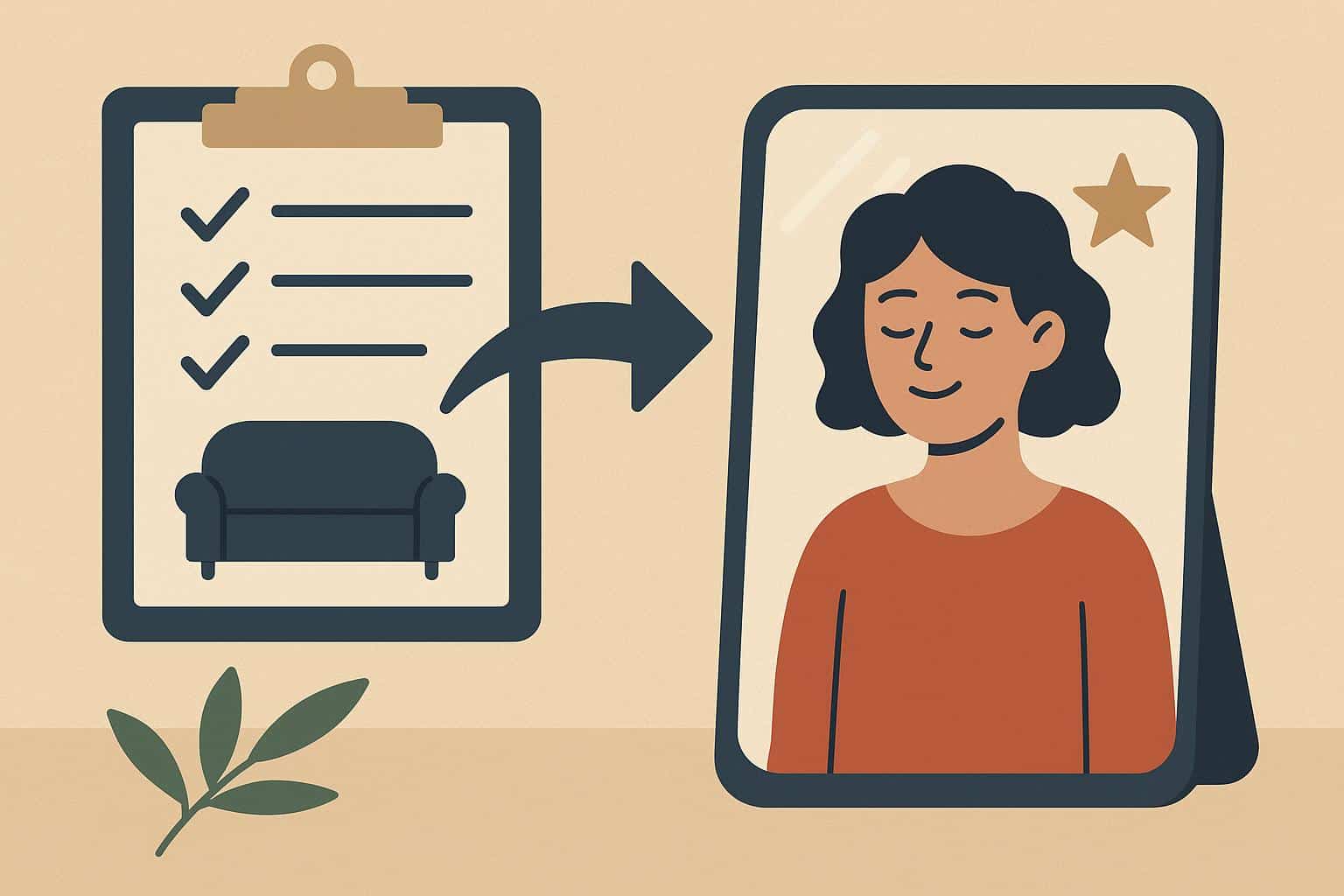
Why self-esteem and confidence drop in the first place
Low self-esteem often develops through a mix of experiences and learned beliefs: criticism, perfectionism, relationship stress, trauma, bullying, chronic anxiety, or repeated disappointments. Over time, your brain starts treating negative assumptions as facts:
- “I always mess things up.”
- “People will judge me.”
- “If I can’t do it perfectly, I shouldn’t do it.”
Therapy helps you identify these beliefs, understand where they came from, and challenge them in a way that actually sticks. Many talking therapies, including cognitive behavioral therapy (CBT), are designed to help people notice unhelpful thought patterns and build healthier alternatives.
What therapy does differently than advice from friends
Friends may reassure you, but reassurance often fades fast. Therapy focuses on lasting change by combining insight with practice.
1) It helps you spot your “self-esteem traps”
A therapist can help you recognize habits that quietly reinforce low confidence, such as:
- Mind-reading (“They think I’m awkward”)
- Comparing (“Everyone else has it together”)
- Discounting wins (“That doesn’t count”)
- Avoiding challenges (which prevents you from building proof you can cope)
Once you can spot the trap, you can interrupt it.
2) It builds confidence through real-world skill practice
Confidence grows from evidence, not just motivation. Therapy often includes small, planned experiments like:
- Speaking up once in a meeting
- Setting one boundary
- Applying for a role you want
- Attending a social plan and staying 15 minutes
These steps create “micro-wins” that rebuild self-trust.
3) It targets core beliefs, not just symptoms
CBT-based approaches often work on deeper, sticky beliefs about worth and competence. Research on CBT approaches shows promise for improving self-esteem, including structured interventions focused specifically on self-esteem.
Specific therapy approaches that commonly help
Different people respond to different methods, and many therapists integrate more than one approach.
Cognitive Behavioral Therapy (CBT)
CBT helps you examine automatic thoughts, test them against evidence, and practice more balanced thinking and behavior. Many self-esteem self-help programs and talking therapy services base confidence-building strategies on CBT principles.
Acceptance and Commitment Therapy (ACT)
ACT focuses less on “arguing with thoughts” and more on changing your relationship with them. Instead of waiting to feel confident, you practice taking values-based action even while anxiety or doubt shows up.
Self-compassion and mindfulness-based work
For many people, confidence improves when harsh self-judgment softens. Practicing self-compassion involves noticing suffering without judgment and responding with kindness and perspective, which can reduce shame and make it easier to try again after setbacks.
Frequently asked questions about therapy for confidence
How long does it take to feel more confident?
It varies, but many people notice improvement when they consistently practice skills between sessions. The biggest shifts often come from doing small, repeatable actions that prove you can handle discomfort and still move forward.
What if I “know” my thoughts are irrational but still feel insecure?
That is common. Therapy helps by pairing insight with behavior change and nervous-system regulation. You do not just learn what is true, you practice living it.
Will therapy make me confident overnight?
Probably not, but it can make confidence more reliable. Instead of confidence depending on a perfect day, you learn how to rebuild it after a hard one.
Do I need “low self-esteem” to benefit?
No. Therapy can help anyone who wants stronger boundaries, less perfectionism, better communication, or more comfort being seen and heard.
Ready to build confidence with the right support?
If you want help strengthening self-esteem and confidence in a practical, skills-based way, working with a team that offers evidence-based therapy can make the process feel clearer and less lonely. Pacific Anxiety Group describes providing compassionate, evidence-based psychotherapy and notes their clinicians are trained in approaches such as CBT, ACT, and mindfulness-based therapies.

