


A wrongful death case often begins with shock, unanswered questions, and urgent practical problems. Families may not know exactly what happened, especially when events moved quickly or key details were missed.
That is why digital evidence matters. A wrongful death attorney now often looks beyond witness statements and paper records because phones, cars, cameras, apps, and medical systems can provide a clearer record of what happened. When preserved and reviewed properly, this evidence can help establish the facts and close gaps in the story.
What Counts as Digital Evidence
Digital evidence is broader than many people expect. It can include text messages, call logs, GPS history, dashcam video, social media posts, security footage, smartwatch data, vehicle system data, electronic health records, portal messages, workplace logs, and emails. Even the hidden data attached to files can matter. A medical record may show when a note was entered or changed. A car system may show speed, braking, and seat belt use in the seconds around a crash.
Why It Changes the Way Cases Are Built
The biggest change is that wrongful death cases can now be built around a more exact timeline. Instead of relying only on memory, lawyers and experts can compare multiple digital sources and line them up minute by minute. A phone record may show a call at 8:14. A traffic camera may capture a vehicle at 8:15. A vehicle recorder may show sudden braking a few seconds later. Together, those pieces can show a sequence that is much harder to dispute.
Digital evidence also helps test whether a version of events makes sense. For example, if someone claims they were not using a phone, app activity may say otherwise. If a hospital says a provider responded quickly, the record system may show when staff opened the chart or placed an order.
Where Digital Evidence Matters Most
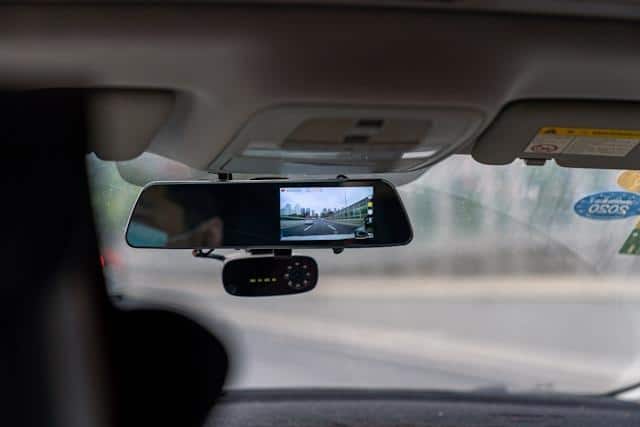
In fatal crash cases, digital evidence often becomes the backbone of the investigation. Dashcams can capture lane position, traffic lights, weather, and driver behavior. Phone data may show texting, app use, or location history. Modern vehicles may store crash-related data that helps experts understand speed, braking, steering input, and whether seat belts were in use.
Medical negligence cases often involve a different type of digital trail. Electronic health records do more than store final notes. They may also record when information was entered, viewed, changed, or signed. That matters when a claim turns on whether a critical test result was seen in time, whether a medication order was delayed, or whether a symptom was documented but not acted on.
Workplace and product-related deaths can also leave strong digital footprints. A warehouse may have camera footage, scanner logs, maintenance records, and training records. A commercial vehicle may have telematics data. In these cases, digital evidence can show whether the death came from a one-time mistake or from a pattern of ignored risk.
What Families Can Do Early
Families do not need to become investigators, but a few simple steps can protect important evidence:
- Keep the loved one’s phone, smartwatch, laptop, and vehicle in a safe place if possible.
- Do not reset devices or search them in a way that could change data.
- Save voicemails, texts, emails, and photos. Write down the names of apps, devices, and accounts the person used.
- Ask that home cameras or dashcams be preserved before footage rolls over.
- Be careful on social media during an active case.
Today, digital traces often show the missing middle of the story. They can reveal what happened, when it happened, and in some cases, who knew the risk and failed to act. For families looking for answers, this can make the path to accountability much clearer.

