


Search “rent a car Dubai” after landing at DXB and you’ll notice something interesting: you’re not alone. Increasingly, the people standing in those rental lines aren’t just tourists chasing sunshine. They’re former Wall Street analysts, hedge fund managers, fintech founders, and private equity pros who are quietly asking a bigger question: is the new American Dream unfolding 7,000 miles from Manhattan?
For decades, the ultimate symbol of financial success in the U.S. was a corner office overlooking the Hudson, a Tribeca loft, and a Hamptons summer. But in a hyper-globalized world, ambition doesn’t have to stay anchored to one skyline. And lately, Dubai’s skyline has been turning heads.
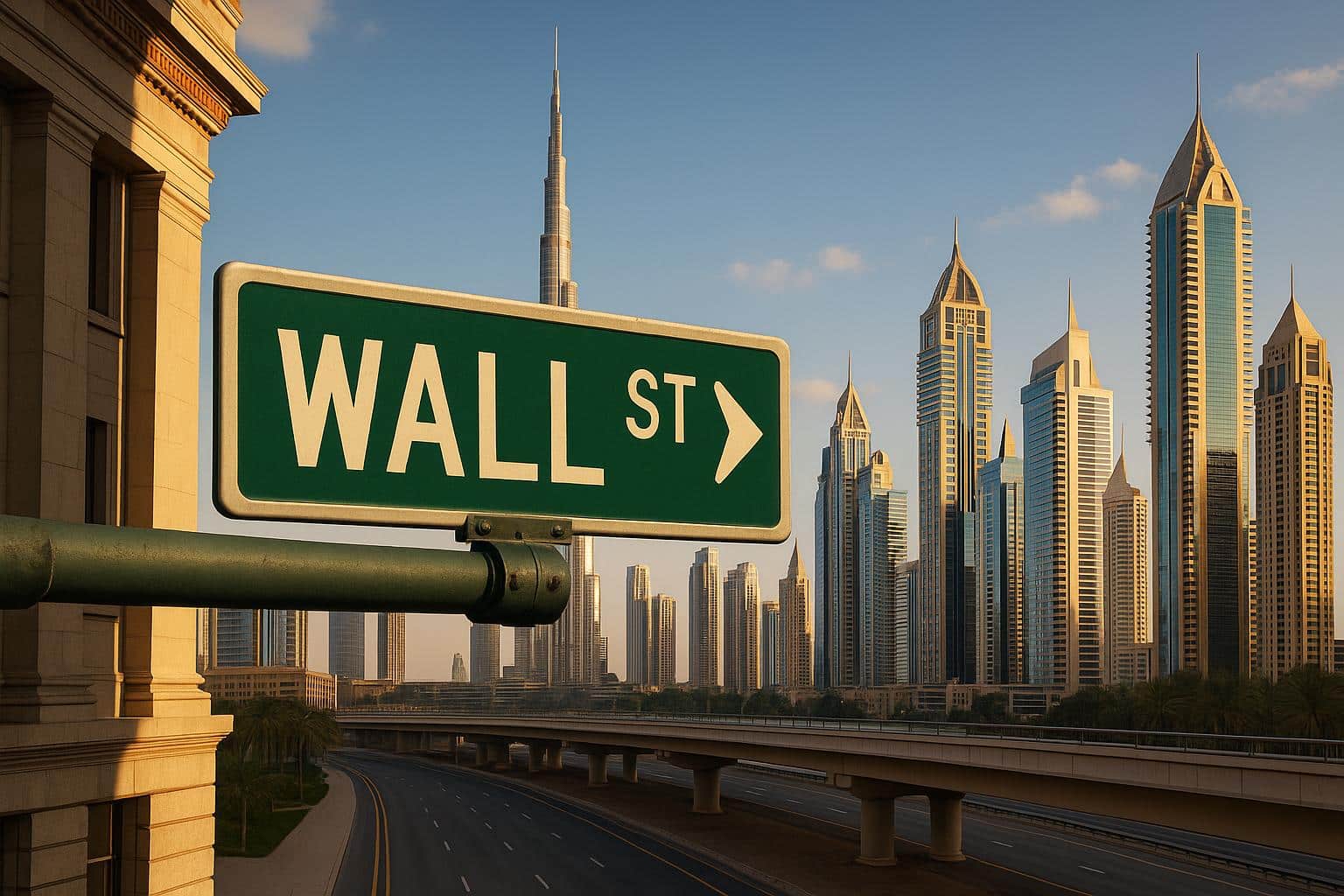
The Great Financial Shift
Wall Street isn’t going anywhere. New York is still a global powerhouse. But the financial world is evolving fast. Remote deal-making, global capital flows, crypto markets, cross-border investments — the game is no longer confined to Lower Manhattan.
Dubai has positioned itself as a serious player in this new landscape. The Dubai International Financial Centre (DIFC) has built a legal and regulatory framework modeled on international standards, attracting banks, asset managers, and fintech startups from around the world. For American professionals used to sophisticated markets, that familiarity matters.
The appeal isn’t just about shiny towers and networking events. It’s about access — to capital, to emerging markets, and to a regulatory environment that’s often perceived as more predictable for certain sectors, especially fintech and digital assets.
Taxes, Lifestyle, and the Bottom Line
Let’s talk numbers, because finance people always do. One of the most obvious draws for Americans considering Dubai is the tax structure. While U.S. citizens are still taxed globally, the absence of local personal income tax in the UAE can significantly shift the equation, especially for high earners with smart structuring.
Add to that comparatively lower corporate taxes in many cases, and you’ve got a compelling financial narrative. For hedge fund managers and entrepreneurs used to high state and city taxes in places like New York or California, that delta isn’t pocket change.
But money isn’t the only factor. Lifestyle plays a huge role. Dubai offers high-end real estate, world-class restaurants, private schools, and a level of safety that consistently ranks among the best globally. For professionals starting families or simply looking for a smoother daily experience, that combination is powerful.
A Global Hub, Not a Gamble
Some skeptics compare Dubai to Vegas — flashy, bold, maybe even over-the-top. But the reality is more nuanced. Unlike a city built around gaming and entertainment, Dubai’s foundation is trade, logistics, aviation, tourism, and finance.
Geographically, it sits at a crossroads between Europe, Asia, and Africa. For American investors, that positioning is strategic. Instead of focusing exclusively on U.S. and European markets, they can tap into emerging economies with strong growth potential.
Capital is increasingly global. So is ambition.
The Practical Side: Why Mobility Matters
Here’s something you realize quickly once you’re on the ground: Dubai is designed for movement. Financial meetings might be in DIFC in the morning, a tech hub in Dubai Internet City in the afternoon, and a waterfront dinner in Dubai Marina at night. The city stretches out along major highways, and while public transportation exists, it doesn’t always match the flexibility high-level professionals need.
That’s why many newcomers choose to rent a car during their first weeks or months. It’s not about flexing with a supercar — though you’ll see plenty of those — it’s about efficiency. Having your own vehicle allows you to navigate the city on your own schedule, scout neighborhoods, visit office spaces, and make last-minute meetings without relying on ride-hailing apps.
In a place where opportunities can pop up fast, mobility equals leverage.
The Cultural Adjustment
Relocating from Wall Street to Dubai isn’t just a change of office view. It’s a cultural shift. The UAE has its own norms, traditions, and legal framework. Business etiquette can feel both familiar and different at the same time.
That said, Dubai is one of the most international cities in the world. English is widely spoken. Business is conducted in a global style. Expats from the U.S., UK, Europe, and Asia form a significant portion of the population. For Americans worried about feeling out of place, the transition is often smoother than expected.
Still, success requires respect, adaptability, and a willingness to understand the local context. The American Dream may be evolving, but it doesn’t mean exporting everything unchanged.
Is It Really the “New American Dream”?
The phrase might sound dramatic, but it captures something real. The traditional American Dream was about upward mobility, home ownership, and financial independence. In today’s world, it’s also about optionality — the freedom to choose where you build your career and life.
For some finance professionals, Dubai offers a blend of opportunity, lifestyle, and global access that feels aligned with that updated dream. It’s not about abandoning the U.S. It’s about expanding the map.
Wall Street will always have its mystique. But in a world where capital flows digitally and markets never sleep, ambition doesn’t need a single zip code.
So if you’re a banker, investor, or entrepreneur wondering whether the next chapter could start somewhere unexpected, maybe it’s worth exploring. Book the flight. Line up the meetings. Pick up the rental car at the airport and drive down Sheikh Zayed Road with the skyline rising ahead of you.
The American Dream was never about geography. It was about opportunity. And opportunity, these days, might just come with a desert backdrop.

