


Anxiety is one of the most common mental health challenges people face today. It can show up in many forms — from persistent worry and social anxiety to panic attacks and overwhelming stress. When anxiety starts to affect daily life, relationships, work, or wellbeing, seeking support through counselling can be a powerful step toward regaining balance and confidence.
This post explores anxiety counselling in Chatswood, what it involves, why it helps, and how support services can be a valuable part of your journey toward emotional wellbeing.
- What Is Anxiety and Why Counselling Helps
- Common Signs You Might Benefit from Counselling
- • Persistent Worry
- • Physical Symptoms
- • Avoidance or Safety Behaviours
- • Sleep Disturbances
- • Impact on Daily Life
- What Happens in Anxiety Counselling
- Why Local Support Matters
- Tips for Getting the Most Out of Counselling
- Conclusion
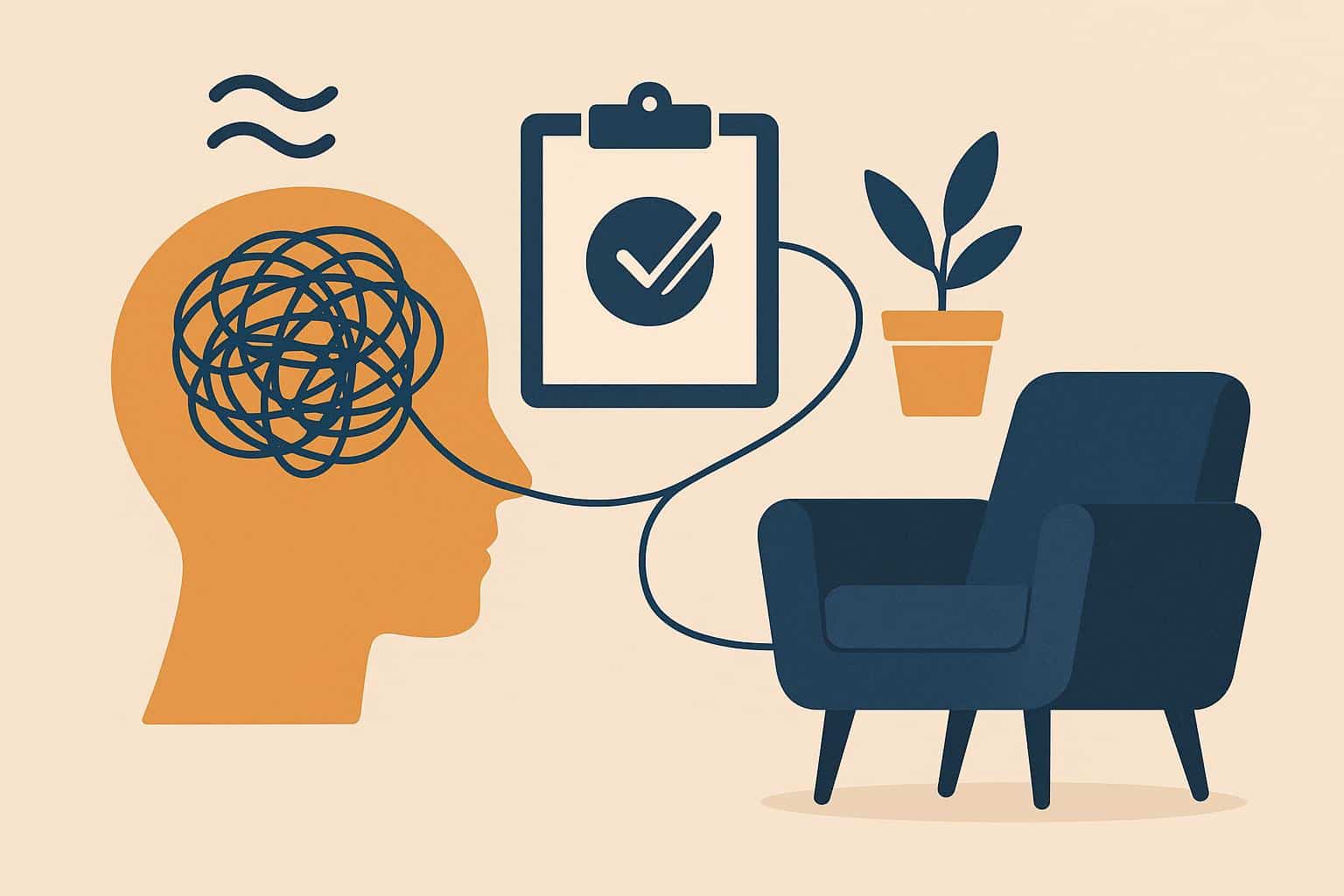
What Is Anxiety and Why Counselling Helps
Anxiety is more than feeling stressed before a big event or presentation. It becomes a concern when these feelings are intense, frequent, or interfere with your ability to function comfortably in everyday situations. Everyone experiences anxiety differently. Some people may feel their hearts racing and find it hard to breathe. Others might struggle with constant worry or avoidance of certain situations.
Counselling doesn’t just help reduce symptoms — it helps you understand them. A trained counsellor offers a safe, confidential space where you can explore your thoughts and reactions without judgment. Rather than simply masking symptoms, the goal of counselling is to build resilience, identify triggers, and develop strategies that empower you to manage anxiety effectively.
Common Signs You Might Benefit from Counselling
Understanding when anxiety has moved beyond “everyday stress” can be tricky. Here are some common signs that counselling may be beneficial:
• Persistent Worry
If you notice that anxious thoughts are constant and hard to control, even when you try to distract yourself or rationalize the worry, this may be a sign that professional support could help.
• Physical Symptoms
Anxiety often shows up physically. Symptoms such as tension, headaches, rapid heartbeat, dizziness, or digestive issues that don’t have a clear medical cause may be linked to anxiety.
• Avoidance or Safety Behaviours
Avoiding social events, public speaking, or situations that trigger intense fear can limit your lifestyle and opportunities. Counselling can help understand and reduce avoidance patterns.
• Sleep Disturbances
Struggling to fall asleep, waking up repeatedly at night, or feeling unrested despite sleeping can be tied to persistent anxiety.
• Impact on Daily Life
If anxiety affects your work performance, relationships, or overall sense of wellbeing, it’s a strong indicator that additional support could be valuable.
What Happens in Anxiety Counselling
Anxiety counselling is typically a collaborative process. It’s not about simply being “told what to do”; it’s about working with someone experienced to explore thoughts, emotions, and behaviours that contribute to anxiety.
Initial Assessment
In your first sessions, the counsellor will likely spend time understanding your history, symptoms, and what you hope to achieve from counselling. This helps tailor a plan that’s specific to your needs.
Evidence‑Based Techniques
Many counselling practices use well‑researched approaches such as Cognitive Behavioural Therapy (CBT), which focuses on identifying and changing unhelpful thought patterns, or Acceptance and Commitment Therapy (ACT), which encourages acceptance of thoughts while committing to valued actions.
Skills Building
Counselling often includes learning practical skills you can use outside of sessions, such as breathing techniques, mindfulness practices, grounding exercises, or strategies to challenge anxious thinking.
Goal Setting
Counsellors typically work with you to set realistic, meaningful goals for your healing process. These may include reducing panic attacks, improving confidence in social situations, or strengthening emotional regulation skills.
Why Local Support Matters
Seeking support close to where you live can make a big difference. Chatswood is an accessible suburb with a range of support options that can fit into your routine. Having a dedicated space for sessions — whether in person or online — helps build consistency and accountability in your healing process.
Being able to talk to someone who understands the unique stresses of modern life and who respects your cultural background and personal experiences creates a sense of connection and safety that is essential for progress.
Tips for Getting the Most Out of Counselling
Be Open and Honest
Counselling works best when you share openly about what you’re experiencing. This helps your counsellor understand your situation and offer targeted support.
Practice Between Sessions
Many of the skills taught in counselling — like mindfulness or cognitive reframing — benefit from regular practice outside of appointments.
Be Patient
Change doesn’t happen overnight. Progress can be gradual, and it’s normal to have ups and downs. Trust the process and celebrate small steps forward.
Ask Questions
If you’re unsure about a technique or suggestion, asking questions can deepen your understanding and engagement in your own healing journey.
Conclusion
Anxiety can feel overwhelming, but it doesn’t have to define your life. Counselling offers tools, insight, and support to navigate anxiety with greater clarity and calm. Whether you’re looking to manage stress more effectively, reduce avoidance behaviours, or build stronger emotional resilience, taking the step to explore anxiety counselling can be life‑enhancing.
Support in Chatswood and the broader Sydney region is available for people at different stages of their journey. If anxiety feels like more than just a passing phase, consider reaching out — a more confident, balanced version of you is possible..

