


US wireless customers may soon hear fewer offshore accents when calling for help. Regulators are weighing rules that would limit how often telecom carriers route support to foreign call centers, part of a broader push to clamp down on scams and strengthen consumer protections.
What the FCC Is Proposing for Overseas Customer Support
The Federal Communications Commission is considering a package that would tighten expectations for overseas customer service used by US telecom providers. According to industry reporting, the draft contemplates requiring agents abroad to demonstrate proficiency in American Standard English, mandating that companies disclose a call center’s location, and letting customers request transfer to a US-based representative.
- What the FCC Is Proposing for Overseas Customer Support
- Why the Focus Is Shifting in Telecom Customer Support
- Data Security and Privacy Stakes in Carrier Support
- What It Means for Customers Calling Their Carriers
- Industry Impact and Open Questions on FCC Call Rules
- What Happens Next in the FCC’s Rulemaking Process

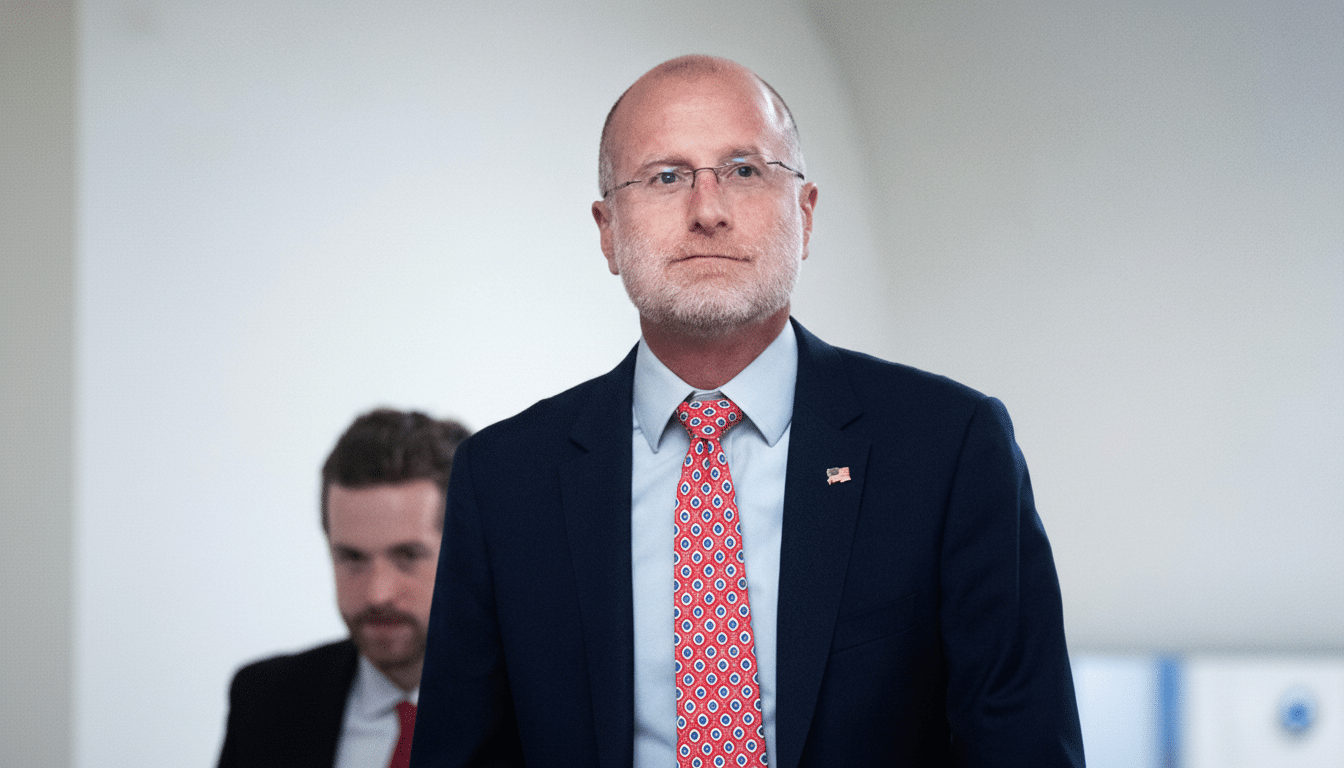
Commissioner Brendan Carr has signaled the item could come to a vote at an upcoming open meeting, potentially as a formal rulemaking that invites public comment. While details could shift in the final text, the thrust is clear: make it easier for consumers to be understood, to know who is handling their data, and to opt for domestic support when they prefer.
Why the Focus Is Shifting in Telecom Customer Support
Robocalls and phone-based fraud remain stubbornly high despite years of enforcement. The YouMail Robocall Index regularly counts 4–5 billion robocalls hitting Americans each month. The FCC has rolled out tools like STIR/SHAKEN caller ID authentication, gateway provider obligations, and the Robocall Mitigation Database, but bad actors increasingly originate traffic overseas and exploit gaps in the chain.
Regulators and traceback investigators have flagged instances where criminal operations piggyback on training, infrastructure, or personnel linked to legitimate call centers. By tightening how carriers use foreign facilities for customer support, the FCC aims to reduce opportunities for fraudsters and raise accountability across the ecosystem.
Data Security and Privacy Stakes in Carrier Support
When a customer calls a carrier, agents often access sensitive account data governed by federal Customer Proprietary Network Information rules. Offshoring adds layers of complexity around data transfer, access control, and breach notification. Disclosure of a call center’s location and an option to move to a domestic agent would give customers more control over where their personal information is handled.
Security experts note that stronger identity verification for agents, least-privilege access, and tighter vendor audits are all part of reducing risk. Any new FCC requirements could push carriers and business process outsourcing partners to bolster compliance and document those safeguards more transparently.
What It Means for Customers Calling Their Carriers
If adopted, you might hear a brief notice telling you the agent’s location and be offered a path to a US-based representative. That could help in complex troubleshooting where language and cultural nuance matter, such as billing disputes or device provisioning quirks.
There are trade-offs. Domestic centers typically cost more to run, and a rapid shift could lengthen wait times unless carriers invest in staffing, smarter call routing, or AI-powered triage. The language proficiency requirement, if finalized, may also drive new training and certification programs for overseas teams to maintain service levels.
Industry Impact and Open Questions on FCC Call Rules
Major carriers lean on global partners in the Philippines, India, and Latin America for around-the-clock coverage. A tighter regime could accelerate “nearshoring” to US territories and higher-compliance sites, or prompt some carriers to expand domestic hiring. Labor groups such as the Communications Workers of America have long argued that onshoring improves quality and safeguards consumer data.
Business process outsourcers are likely to push back on broad-brush restrictions, arguing that outcomes-based metrics and modern security controls can deliver safe, high-quality service from abroad. Watch for debate over how “American Standard English” proficiency would be defined, tested, and enforced to avoid bias while meeting clarity goals.
What Happens Next in the FCC’s Rulemaking Process
If the FCC votes to proceed, the item would likely move into a notice-and-comment phase, inviting feedback from carriers, consumer advocates, state attorneys general, and international outsourcing firms. Final rules could be phased in, with compliance tied to existing frameworks like the Robocall Mitigation Database and carrier certification requirements.
For now, the direction of travel is unmistakable. As regulators chase a decline in scam traffic and raise the bar on customer care, your future carrier support calls are more likely to be handled closer to home—or at least with clearer disclosures and a choice to keep them that way.

