


Selecting the right boiler for your home will take some consideration, as it is not as simple as selecting a model from a display case. Your choice will affect the comfort level and cost for your home over the long term. It is easy to get crushed when trying to determine different boiler types, sizes, and features. This guide will go over the limitations and features to help you make a choice that is optimal for your home.
Understand Your Home’s Heating Needs
Prior to reviewing the various types of boilers available, you should identify your home’s heating requirements. The dimensions of your home and the quality of the insulation will have an impact on what type of boiler will work most efficiently. Being aware of the heating needs of your home will help reduce your energy consumption and avoid the costs associated with purchasing equipment.
Decide Between System Types
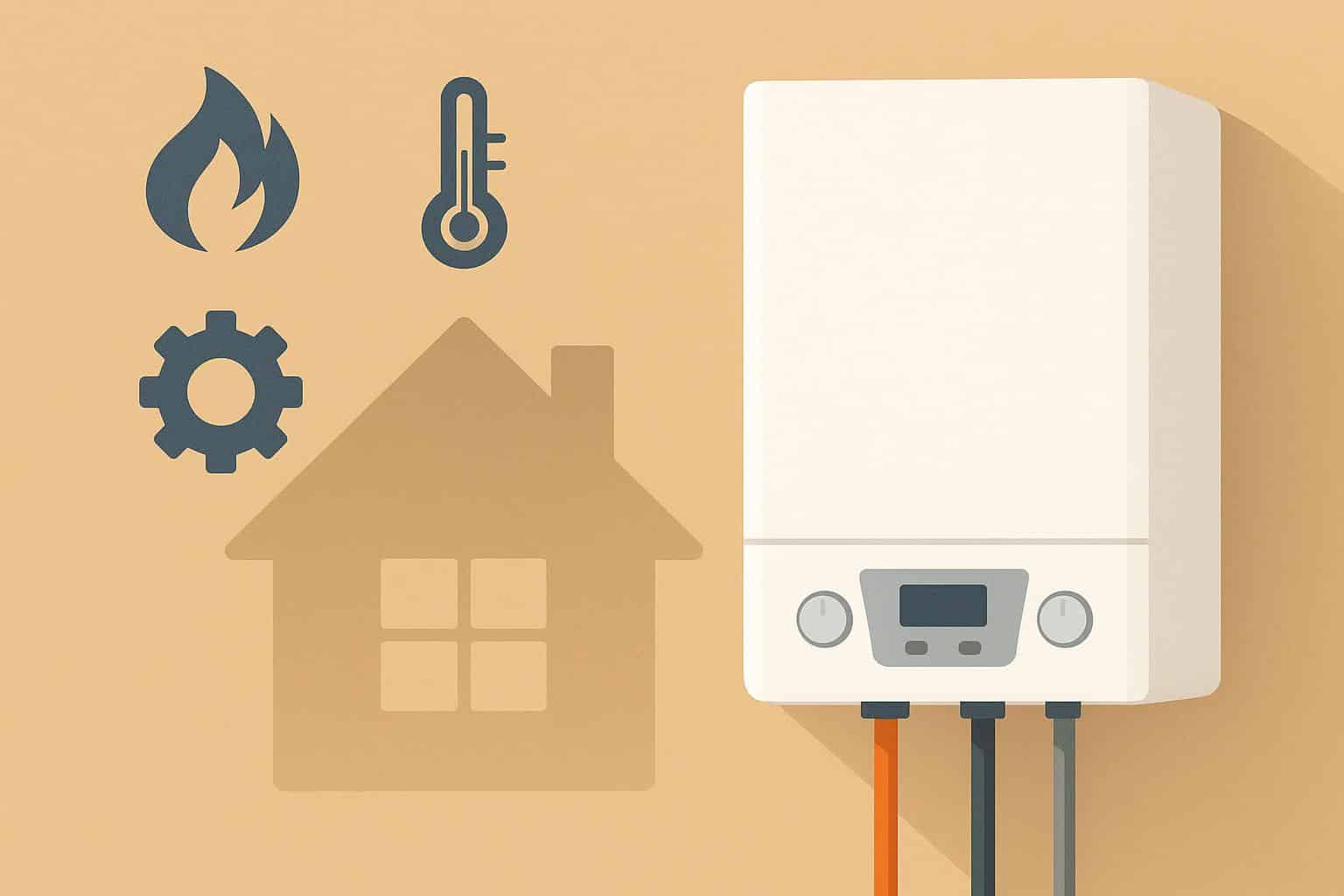
If your home is space-constrained, combination boilers are able to provide hot water on demand. System boilers are able to provide a continuous supply of hot water to multiple taps at the same time. For larger properties that have existing storage systems, conventional boilers are the right choice. Knowing the advantages and disadvantages of each boiler type is critical to ensuring that your choice is aligned.
Consider Fuel Options
Due to the high efficiency and availability of gas, it is the most commonly used fuel source in boiler systems, but if your area does not have access to gas, an oil boiler system is a viable substitute. Electric boilers are considered to be environmentally clean and are smaller in size. Evaluating the available fuel in your area and the impact on the space ensures that you are selecting a solution that is practical.
Efficiency Ratings Matter
Newer models of boilers have an efficiency rating that directly affects energy usage and cost. The higher the efficiency rating of the model, the less energy that is wasted, which means that the home can be kept warm while the bills are still kept under control. Paying attention to efficiency ratings helps save energy and reduce the environmental impact of the home, while saving money and increasing comfort.
Explore Size and Capacity
If a unit is undersized, it can struggle to heat the home, and if it is oversized, it can consume more energy than is needed. A professional can be consulted to carry out a sizing calculation to determine the optimal capacity in relation to the dimensions of the rooms and the water demand. This is a decision because it affects comfort, making it just as important as the performance of the heating in the immediate term.
Evaluate Installation and Maintenance
Proper installation ensures that the system is safe and efficient and that it lasts a long time. Look for certified installers, and check that they have experience with the type of boiler you choose. Maintenance is also important, since regular servicing helps to avoid breakdowns and extends the life of the system. Some manufacturers provide annual service plans to make it convenient for you to maintain your boiler.
Check Warranty and Support
Always remember that it is common for bigger companies with better brands to have a warranty for the parts and labour for several years. You want to know and understand what to expect, who they are and how to get in touch with them so you won’t be surprised if a problem arises. Support is important when you need the heating system to be dependable, to make sure the system is working.
Think About Smart Features
Some modern central heating systems come with smart controls, meaning that they allow for remote management of the heating. Smart functionalities such as programmable thermostats, app controls, and home-automation integration offer added convenience and the potential for energy savings. If you are particularly busy, smart controls may help you manage energy more effectively by preheating.
Make a Well-Informed Choice
When choosing the right boiler, consider a combination of heating needs and safety considerations, the type of system, the fuel used, the efficiency, the size, and the type of heating system. Solid reasoning that combines modern features with installation or warranty will keep your home warm. Spending time researching and collaborating with professionals will benefit your lifestyle and budget for years.

