


Seeking help for addiction is hard enough. When domestic violence or coercion is part of the picture, it can feel downright dangerous to even make a phone call. If you are navigating abuse while trying to get sober, you deserve support that prioritizes safety, privacy, and trauma-informed care. The right rehab for women can help you stabilize, rebuild autonomy, and plan next steps without putting you at greater risk.
How domestic violence and coercion can block treatment
Abuse is not always visible bruises or one explosive incident. Many survivors experience patterns of control that can include isolation, surveillance, financial restrictions, threats, and intimidation. When someone else controls your phone, your transportation, your money, or your schedule, getting treatment can feel impossible, even when you are ready.
- How domestic violence and coercion can block treatment
- First priority: safety and privacy before you reach out
- Choosing treatment that supports safety for women
- Women-centered, trauma-informed care
- Clear privacy policies and safety protocols
- Support for co-occurring mental health needs
- Safe ways to start the intake process
- Practical barriers and real-world solutions
- A women’s treatment program option to consider
- What support can look like after you enter treatment
- Need help today: what’s the safest next step you can take?
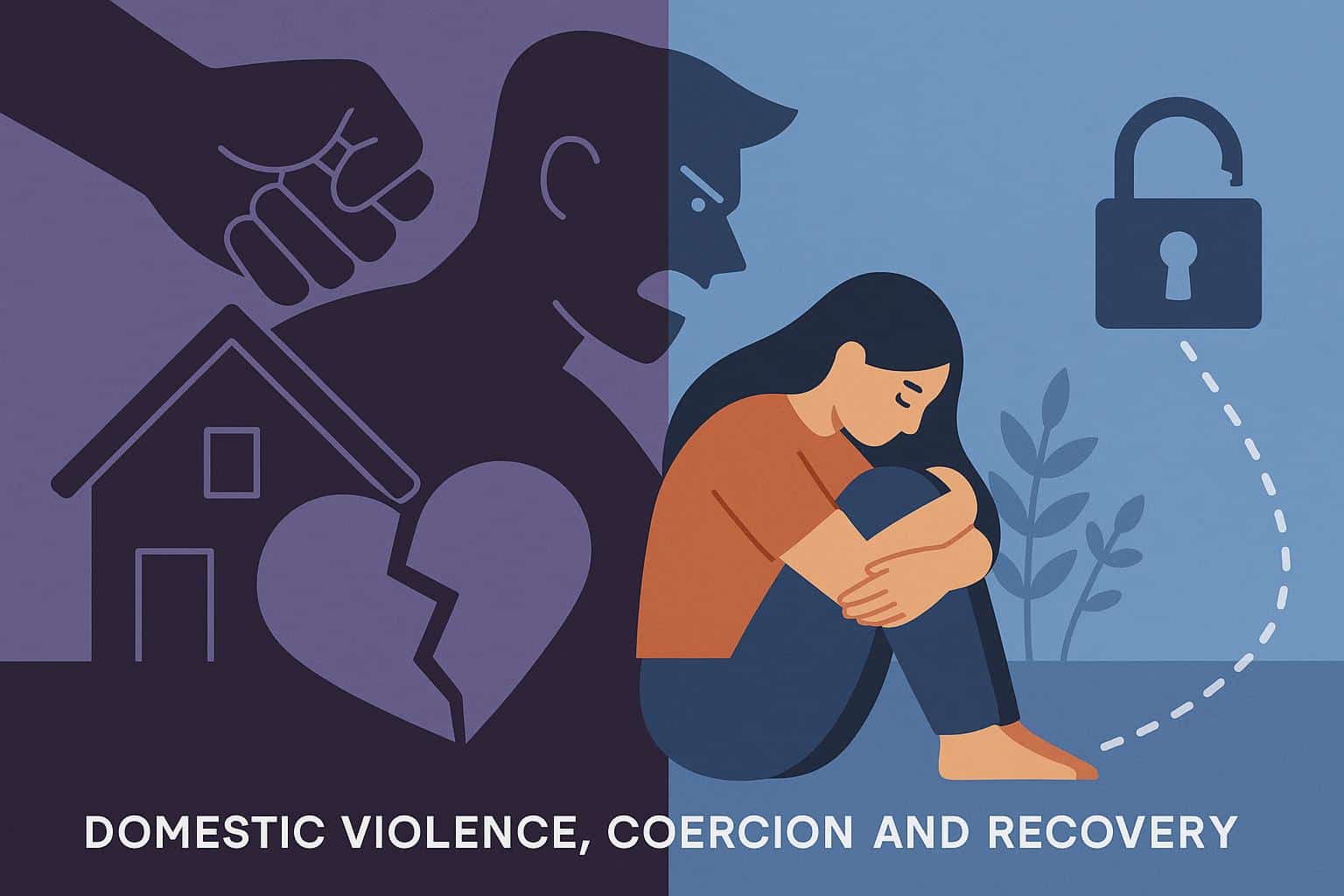
Substance use can also become entangled with abuse in complicated ways, including using substances to cope with fear, trauma, or sleep deprivation. SAMHSA’s guidance for treatment providers emphasizes the need to recognize how domestic violence and substance use intersect and to modify treatment approaches to keep survivors safe.
First priority: safety and privacy before you reach out
If you are worried your partner checks your phone, email, or location, take a moment to reduce risk before contacting a provider.
- Use a safer device if you can (a trusted friend’s phone, a public computer, or a new email account).
- Turn off shared location services and check whether your phone is synced to a shared cloud account.
- Ask to be contacted only in specific ways, such as “no voicemails,” “text only,” or “call between 2–3pm.”
- Avoid leaving a visible paper trail (screenshots, browser history) if that could escalate danger.
A safety plan can help you think through these steps in a personalized way. The National Domestic Violence Hotline offers resources for planning for safety while experiencing abuse, preparing to leave, or after you leave.
Choosing treatment that supports safety for women
When violence or coercion is involved, the “best” program is not only about therapy modalities. It is also about whether the environment supports safety, dignity, and control over your own choices.
Look for programs that offer:
Women-centered, trauma-informed care
Women-focused programs are often designed around experiences that disproportionately affect women, including interpersonal violence, parenting stress, and trauma. SAMHSA’s guidance on women’s needs in substance use treatment highlights the importance of tailoring care to women’s lived realities, including exposure to partner violence.
Clear privacy policies and safety protocols
Ask how they handle:
- contact restrictions (blocking callers, no directory listing)
- visitor policies
- confidentiality during intake and ongoing care
- safety planning support
Support for co-occurring mental health needs
Abuse and coercion can increase anxiety, depression, PTSD symptoms, panic, and sleep problems. A program that treats co-occurring conditions can reduce relapse risk by addressing the reasons substances became a survival tool.
Safe ways to start the intake process
You do not have to have everything figured out before you call. Many programs can start with a confidential screening that focuses on safety, withdrawal risk, and logistics.
When you speak with admissions, consider asking:
- “Can I complete intake without involving my spouse or partner?”
- “What steps do you take if a partner tries to contact the facility?”
- “Can you help me build a safety plan for leaving and getting to treatment?”
- “Do you offer coordination with advocates or shelters if I need a safe place first?”
The U.S. Office on Women’s Health also outlines practical considerations and steps for leaving an abusive relationship safely, including what to plan for and what to pack.
Practical barriers and real-world solutions
Abuse often creates logistics barriers that keep people stuck. Here are a few common ones and safer approaches:
- No access to money: Ask about scholarships, nonprofit options, sliding scale resources, or payment plans. Some women’s programs operate as nonprofits.
- Childcare concerns: Ask if the program can help coordinate community resources or a staged entry plan.
- Fear of retaliation: Consider entering treatment from a neutral location (a friend’s home, a clinic, or a shelter) rather than leaving directly from home.
- Documentation worries: If safe, write down key documents you may need later (ID, insurance, medications). If it is not safe, focus on getting to safety first.
A women’s treatment program option to consider
If you are looking for a women-focused environment, Casa Serena describes itself as a women-owned, nonprofit treatment center providing care designed around the unique needs and experiences of women, including addiction and co-occurring challenges.
What support can look like after you enter treatment
Recovery is not only “stop using.” For survivors, recovery can also mean:
- learning boundaries and rebuilding decision-making confidence
- processing trauma without shame
- building a safer support network
- planning housing, legal, and financial next steps
A strong program will help you plan beyond discharge, because safety and relapse prevention often depend on what happens after treatment.
Need help today: what’s the safest next step you can take?
If you are in danger or unsure what to do first, consider starting with a confidential safety plan and a support call, then contact a women-centered program for a private intake conversation. You deserve care that treats addiction and prioritizes your safety at the same time.
If you want to explore a women-focused option, you can learn more about rehab for women and ask about privacy protections, trauma-informed care, and safe admissions planning.

