


Some true-crime documentaries ask you to cluck your tongue. Cornbread Mafia invites you to laugh, gasp, and then think harder. Directed by Evan Mascagni and Drew Morris, this rollicking portrait of Kentucky’s most notorious grassroots pot ring blends outlaw mythmaking with a stoner-comedy vibe, reshaping a familiar drug-war narrative into something friskier, sharper, and surprisingly humane.
A Heist Vibe With Dirt Under Its Rough-Cut Nails
The film opens in laid-back, self-aware fashion, with the Bickett brothers—Joe Keith and Jimmy—stumbling through an intro on a farm piled with weed. The flubbed takes telegraph the movie’s tone: mischievous, candid, and unpretentious. What follows is a chorus of voices from the legendary ring and a few straight-faced lawmen, recounting how a cluster of “dirt farmers” evolved into what federal agents once called the largest homegrown marijuana syndicate in the United States, a sweep that led to more than 70 arrests across multiple states.
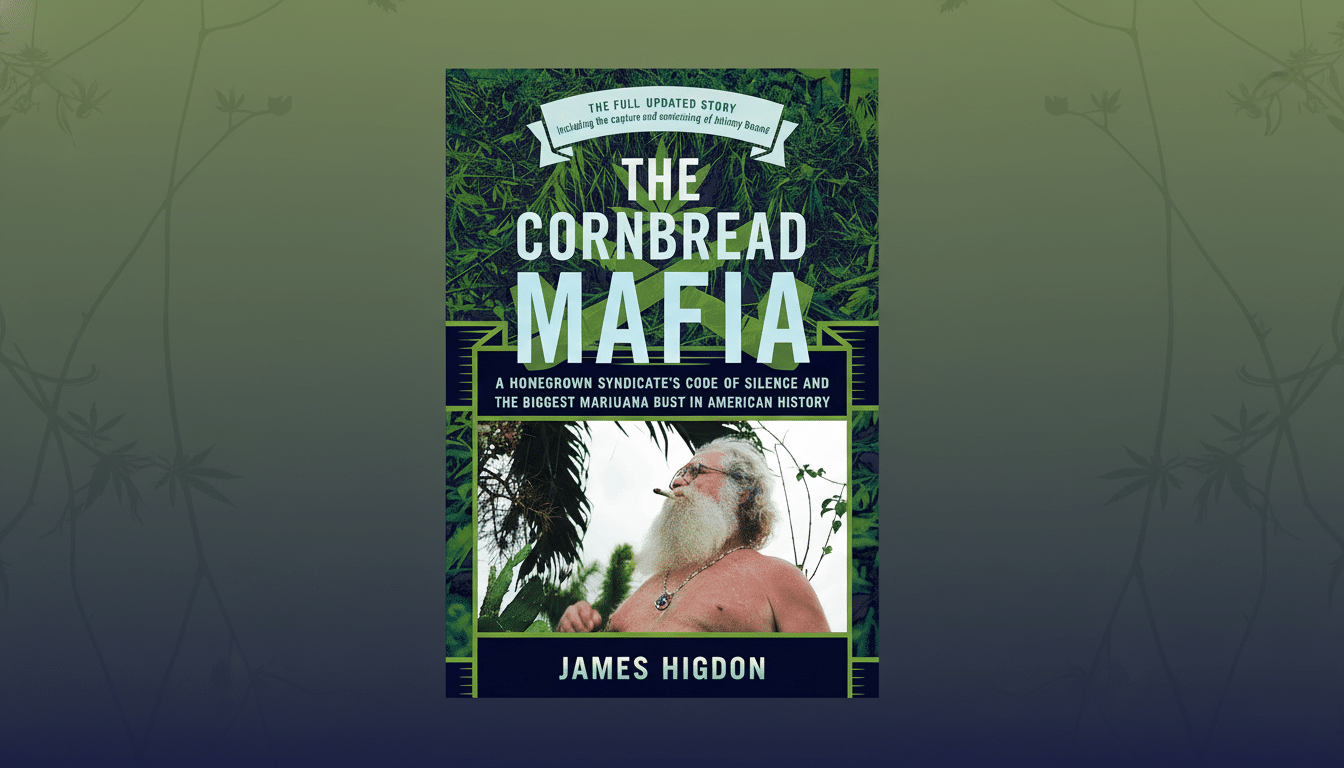
It’s crime story as tall tale, and the absurdities stack high—wild car chases, misfired capers, and colorful side characters who could have wandered out of a Coen Brothers casting session. Yet there’s rigor beneath the antics: the group’s code of silence borrows from omertà, and their economics are cold-eyed. Why import dime bags when you can outgrow tobacco on your own land? Enter Johnny Boone, the folk-hero grower whose innovations helped seed operations in cornfields and popularized the strain Kentucky Bluegrass.
Style That Turns Testimony Into Entertainment
Rather than reheated reenactments, Mascagni and Morris use playful animation—think Schoolhouse Rock with a sly grin—to sketch near-misses, explain legal minefields, and map supply chains. It’s both comic relief and narrative glue. Boyd Holbrook’s smooth narration stitches the beats together, easing transitions between big laughs and bigger stakes. The filmmakers smartly avoid hagiography; they’re less interested in gilding legends than in showing how economic reality, rural know-how, and stubborn loyalty created a uniquely American outlaw enterprise.
The War on Drugs Seen From the Farm Fencerow
As the story crests, Cornbread Mafia pivots to the legal hammer that ultimately fell: mandatory minimums. The U.S. Sentencing Commission has reported that drug mandatory minimums routinely run five years or more, even in nonviolent cases, a scale of punishment that the film juxtaposes against the growers’ down-home ethos and nonviolent offenses. That dissonance gives the comedy a serrated edge.
Context matters here. The ACLU has found that Black people are nearly 4 times more likely to be arrested for marijuana possession than white people, despite similar usage rates—a reminder that enforcement has never been even-handed. Meanwhile, public sentiment has flipped: Gallup reports 70% of Americans now support legal marijuana, and dozens of states have some form of legalization on the books. Cornbread Mafia doesn’t sermonize, but it lets the facts hang in the air while its rogues revel in storytelling freedom they didn’t have when the Feds came knocking.
Folk Heroes With Scuffed Boots and Sharper Wits
What distinguishes the film is the access and the attitude. The Bicketts are magnetic raconteurs, the kind you’d follow into a bar you shouldn’t be in. Associates pop with offhand one-liners and unapologetic swagger; even a memorable ally introduced with a venomous aside feels like she stepped out of a Southern Gothic novel. Law enforcement offers clipped counterpoints, but the documentary’s heart is plainly with the farmers, an affection grounded not in absolution but in understanding the calculus of poverty, pride, and community.
If you’ve seen buoyant capers like McMillion$ or the kinetic braggadocio of Cocaine Cowboys, you’ll recognize the tonal sweet spot: criminal enterprise reframed as folk history. Cornbread Mafia gets there with a lighter touch, keeping scenes brisk, jokes unforced, and its editorial hand visible but not wagging. By surfacing the artifice—flubbed lines, animated flights—the film keeps you alert to who’s telling the story and why.
Verdict: A High Worth Chasing, With Brains Behind It
Cornbread Mafia is a blast: a true-crime yarn laced with giggles, jolts, and sharp policy subtext. Mascagni and Morris trade rote reenactments for buoyant animation and rely on character to do the heavy lifting. Holbrook’s voiceover, the brothers’ unfiltered charm, and the film’s brisk editorial rhythm keep the buzz steady. If it occasionally skims the harsher collateral of the trade, it compensates with clarity about the system that made folk heroes out of farmers and felons out of entrepreneurs.
Call it a contact high with a conscience. As a portrait of a specific place and its self-styled outlaws, Cornbread Mafia is outrageously entertaining; as a snapshot of an American pivot from prohibition to normalization, it’s quietly revealing. The laugh lines land, the insights linger, and the movie earns its legend.

