


A classroom chair is one of the most important pieces of furniture in any educational setting. Every student relies on a classroom chair throughout the school day while participating in lessons, completing assignments, and engaging in discussions. Because students spend hours seated during instruction, the design and quality of a classroom chair directly impact comfort, focus, and overall learning experiences.
A well-designed classroom chair helps students maintain proper posture while supporting concentration during long periods of classroom work. When schools invest in durable and comfortable seating, they create learning environments where students can remain engaged and productive throughout the day.
- How a Classroom Chair Supports Student Comfort
- Durability and Construction of a Classroom Chair
- Classroom Chair Designs for Different Grade Levels
- Flexibility and Mobility in Modern Classroom Chairs
- Safety Features in a Classroom Chair
- Why Schools Invest in High-Quality Classroom Chairs
- Creating Better Learning Spaces with the Right Classroom Chair
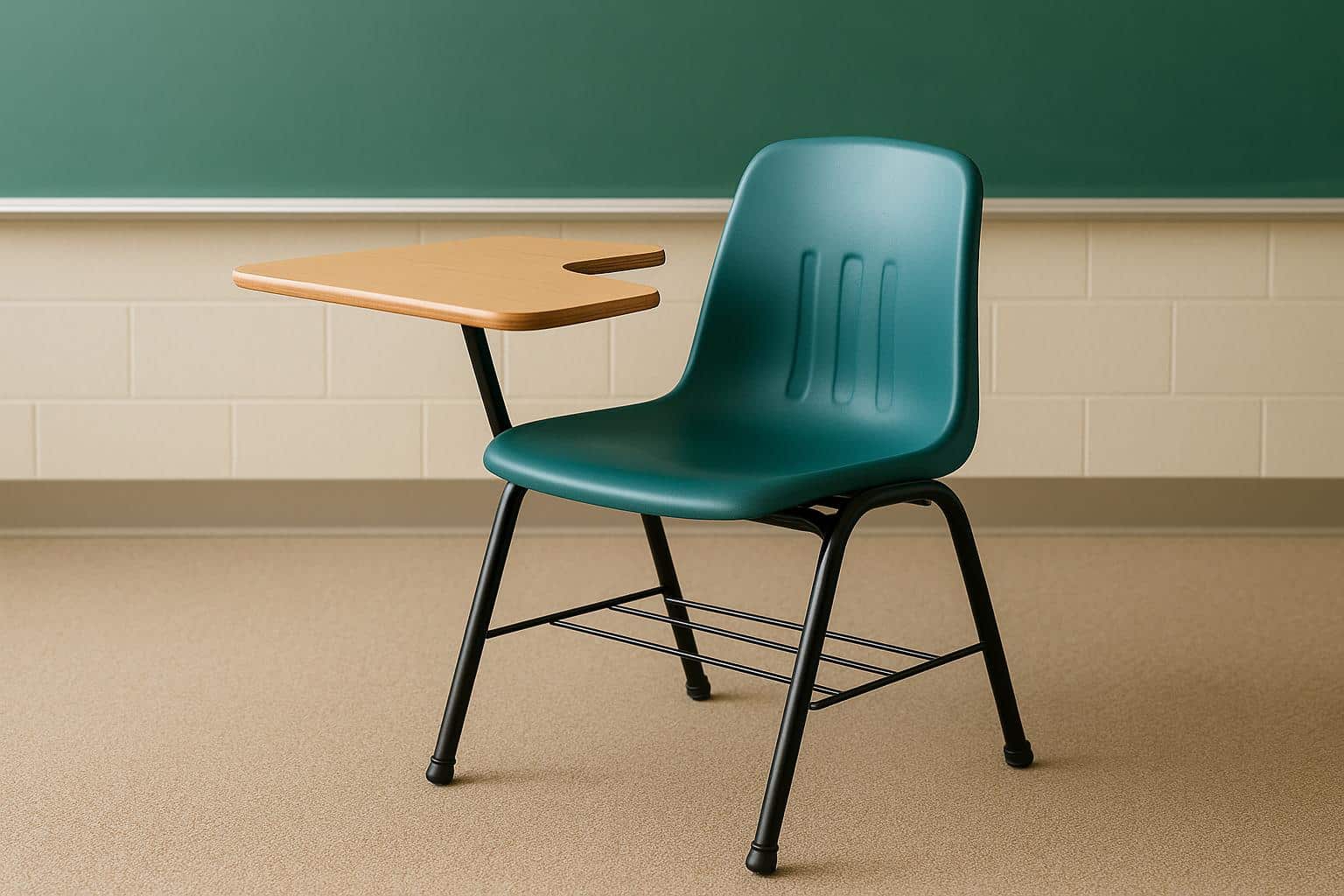
The right classroom chair must also be strong enough to withstand years of daily use. Students frequently move chairs, shift positions, and adjust seating during lessons, so durability plays a critical role in selecting classroom furniture.
Many schools turn to trusted suppliers like School Outlet when purchasing classroom furniture. Reliable suppliers offer high-quality classroom chair options that combine durability, comfort, and practical design for modern learning environments.
How a Classroom Chair Supports Student Comfort
Comfort is a key factor when selecting classroom seating. A classroom chair must support students for extended periods while encouraging proper posture and minimizing physical strain.
Modern classroom chair designs often include contoured seating that follows the natural shape of the body. This ergonomic design helps distribute weight evenly and allows students to sit comfortably throughout the school day.
Seat height is another important factor in classroom chair design. Chairs must align properly with student desks to ensure students can write and read comfortably without hunching over or straining their backs.
Many classroom chair models also include flexible backrests that provide gentle support while allowing students to move naturally. This flexibility helps students remain comfortable while staying focused during lessons.
By prioritizing comfort in classroom chair design, schools can create classrooms that promote better concentration and improved learning outcomes.
Durability and Construction of a Classroom Chair
Classroom furniture must be able to withstand heavy daily use, and the classroom chair is no exception. Students rely on their chairs during nearly every lesson, making durability an essential consideration for schools.
A high-quality classroom chair is typically constructed using strong molded plastic or reinforced polypropylene seating combined with sturdy steel frames. These materials provide long-lasting strength and help prevent cracking, bending, or structural damage.
Many classroom chair models also include protective floor glides that prevent damage to classroom floors while keeping the chair stable during use. These glides also help reduce noise when chairs are moved across the floor.
Because classroom chairs are used in large numbers throughout schools, durability helps reduce maintenance and replacement costs. Strong construction ensures that a classroom chair remains reliable even after years of daily use.
Schools that choose well-built classroom chair models benefit from furniture that continues to perform effectively throughout multiple school years.
Classroom Chair Designs for Different Grade Levels
Different age groups require different seating designs, which is why classroom chair models are available in various sizes and styles. Younger students need smaller chairs that support their height and posture, while older students require larger seating that accommodates longer periods of study.
Elementary classroom chair designs typically feature lightweight construction and rounded edges to improve safety. Younger students move frequently, so lightweight classroom chairs allow teachers to rearrange seating easily for activities and group learning.
Middle school and high school classrooms often use slightly larger classroom chair models with reinforced frames for additional support. These chairs are designed to accommodate growing students while maintaining durability and comfort.
By selecting the appropriate classroom chair size for each grade level, schools ensure that students can sit comfortably and maintain proper posture during lessons.
Flexibility and Mobility in Modern Classroom Chairs
Modern teaching methods often require classrooms to be flexible and adaptable. Teachers frequently rearrange seating to support group discussions, collaborative projects, or interactive lessons. The classroom chair plays a key role in enabling this flexibility.
Lightweight classroom chair designs allow students and teachers to move seating quickly without disrupting the flow of the lesson. Chairs can be repositioned to create small groups, discussion circles, or traditional row arrangements depending on the activity.
Many classroom chair models are also stackable, making it easier for schools to store additional seating when needed. Stackable chairs help maximize classroom space while maintaining flexibility for special activities or events.
Because classroom layouts are constantly evolving, the ability to move and rearrange a classroom chair easily is an important advantage in modern learning environments.
Safety Features in a Classroom Chair
Safety is a top priority when selecting classroom furniture, especially in environments with younger students. A properly designed classroom chair includes several safety features that protect students while maintaining stability.
Rounded edges help reduce the risk of injuries during movement or accidental contact with furniture. Smooth plastic or laminate surfaces also minimize sharp corners that could cause discomfort.
Stable chair legs and reinforced frames prevent wobbling or tipping during use. Many classroom chair designs also include anti-slip features that help keep the chair securely positioned on classroom floors.
These safety features ensure that the classroom chair remains both comfortable and secure for students throughout the school day.
Why Schools Invest in High-Quality Classroom Chairs
Investing in high-quality classroom chair furniture provides long-term benefits for schools and students alike. Durable seating helps reduce maintenance costs while creating comfortable learning environments that support student engagement.
A reliable classroom chair allows students to focus on their lessons without distractions caused by uncomfortable or unstable seating. Teachers also benefit from furniture that supports flexible classroom layouts and efficient classroom management.
Schools often purchase classroom chairs in large quantities, so choosing dependable furniture suppliers is essential. Providers like School Outlet offer classroom chair solutions designed specifically for educational settings, ensuring schools receive furniture that meets both durability and comfort standards.
Creating Better Learning Spaces with the Right Classroom Chair
Although it may seem like a simple piece of furniture, the classroom chair plays a vital role in supporting effective learning environments. Comfortable and durable seating helps students remain focused, organized, and ready to participate in classroom activities.
When schools select well-designed classroom chair models, they create classrooms where students can sit comfortably, engage with lessons, and collaborate with their peers. The right seating also supports teachers by maintaining an organized and adaptable classroom layout.
As classrooms continue to evolve, the classroom chair remains a fundamental component of educational spaces. By investing in strong, comfortable, and thoughtfully designed chairs, schools create learning environments that support both student success and long-term classroom functionality.

