


Renovating your home is a big financial decision. Every material you choose affects not just how your property looks, but how it performs over time.
If you are considering upgrading your exterior, you may be wondering whether WPC panels are truly worth the investment. They often cost more upfront than basic timber options, so the question is fair.
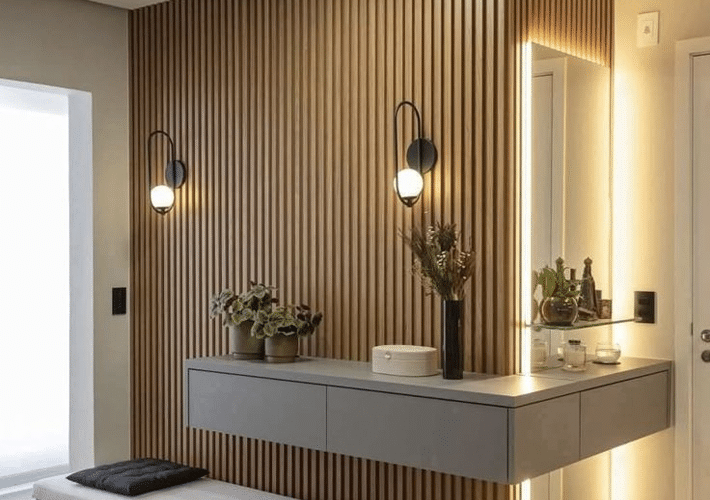
Let us explore what that really means.
What Are WPC Panels?
WPC panels are made from wood plastic composite, a material that blends recycled wood fibres with polymers. The result is a strong, weather-resistant product designed specifically for exterior use.
In Australia, many suppliers focus on producing WPC panel Australia ranges that can withstand:
- Intense UV exposure
- Heavy rainfall
- Humidity
- Coastal salt air
- Temperature fluctuations
These panels are commonly used as
- WPC wall panels for exterior façades
- WPC outdoor panels for al fresco areas
- Wood plastic composite cladding for full exterior upgrades
They are designed to deliver the appearance of timber without the same maintenance burden. Providers such as CLADsmart specialise in exterior cladding systems tailored to Australian conditions, reflecting the growing demand for more durable façade solutions.
How Do You Measure Renovation Investment Value?
When people talk about investment value in renovations, they usually mean three key things:
- How long will the material last?
- How much maintenance will it require?
- Will it improve the home’s appeal and resale potential?
Each of these factors influences your total return over time.
1. Durability in Australian Conditions
Australia’s climate places heavy demands on exterior materials. Strong sun can cause fading and cracking. Moisture can lead to swelling and rot. Termites remain a major concern in many regions.
Traditional timber often struggles under these conditions unless regularly treated and maintained.
High-quality WPC outdoor panels are engineered to resist moisture and pests. Many include UV stabilisers to reduce sun damage. Because the material contains plastic polymers, it does not absorb water the same way timber does.
This resistance helps prevent:
- Warping
- Splitting
- Rot
- Termite damage
Durability reduces the likelihood of early replacement. That alone can make a big financial difference over a decade or more.
2. Maintenance Costs Over Time
Maintenance is where many homeowners underestimate true costs.
Timber cladding typically requires:
- Regular oiling or sealing
- Repainting
- Occasional sanding
- Repairing cracked or warped boards
These tasks cost both time and money. Labour alone can become expensive.
In contrast, WPC wall panels generally require simple cleaning. There is no need for staining or painting. This reduces:
- Ongoing product purchases
- Professional labour fees
- Disruption to your home
Lower maintenance means fewer long-term expenses. Over several years, these savings can offset a higher upfront purchase price.
Upfront Cost vs. Long-Term Financial Impact
It is important to be realistic. Some WPC panels Australia products cost more upfront than entry-level timber cladding.
However, comparing only the purchase price gives an incomplete picture.
When assessing cost, ask yourself:
- How long do I plan to keep this property?
- Will I need to repaint every few years?
- What is the risk of termite damage?
- How much would replacement cost if timber fails early?
If you plan to hold your property long term, investing in durable wood plastic composite cladding may reduce cumulative costs over time.
For property investors, reduced maintenance also means fewer disruptions between tenants.
Property Value and Street Appeal
Exterior upgrades can significantly influence how buyers perceive a home.
Modern WPC panels offer:
- Clean lines
- Consistent colour
- A contemporary timber look
- Strong visual impact
Because the finish remains stable without frequent repainting, the property continues to look well maintained.
This can support:
- Stronger buyer interest
- Higher perceived quality
- Better first impressions
While no material guarantees a specific resale increase, exterior presentation plays an important role in market appeal.
Comparing WPC Panels and Timber for Renovations
A clear comparison helps simplify the decision.
Timber
Strengths:
- Natural grain variation
- Traditional character
Limitations:
- High maintenance
- Vulnerable to pests
- Prone to moisture damage
- Can warp in extreme heat
WPC Outdoor Panels
Strengths:
- Moisture resistance
- Termite resistance
- Lower maintenance
- Consistent finish
- Designed for harsh weather
Limitations:
- Higher upfront investment
- Quality varies by supplier
The right choice depends on your budget and long term renovation goals.
Smart Material Choices in Australian Renovations
Renovation decisions should look beyond short-term savings.
Australia’s climate can shorten the lifespan of untreated timber and other traditional materials. Choosing products designed specifically for exterior exposure can protect your investment.
WPC panels combine durability with modern design flexibility. When sourced from reputable WPC panel Australia suppliers and installed correctly, they can reduce maintenance costs and maintain visual appeal for years.
If your renovation goal includes long-term value, lower upkeep, and strong street presence, WPC outdoor panels represent a practical and forward-thinking investment choice.

