


Amazon’s Spring Sale is putting storage upgrades within easy reach, with SSD and HDD discounts advertised at up to 60% off across top brands. The markdowns span fast PCIe NVMe drives, reliable 2.5-inch SATA models, rugged portable SSDs, and high-capacity desktop and NAS hard drives—precisely the categories most shoppers look for when game libraries swell, 4K video projects pile up, or backup plans need a refresh.
Deep Discounts Hit NVMe And Portable SSDs
Internal PCIe Gen4 NVMe SSDs are headliners, with many models quoting sequential reads around 7,000MB/s and writes near 6,000–6,700MB/s. That speed tier is ideal for creators working on large media files and gamers chasing short load times. It also aligns with Sony’s PlayStation 5 guidance, which recommends a Gen4 drive sustaining at least 5,500MB/s and a heatsink for best results. During big sales, 1TB and 2TB capacities typically see the steepest percentage drops.
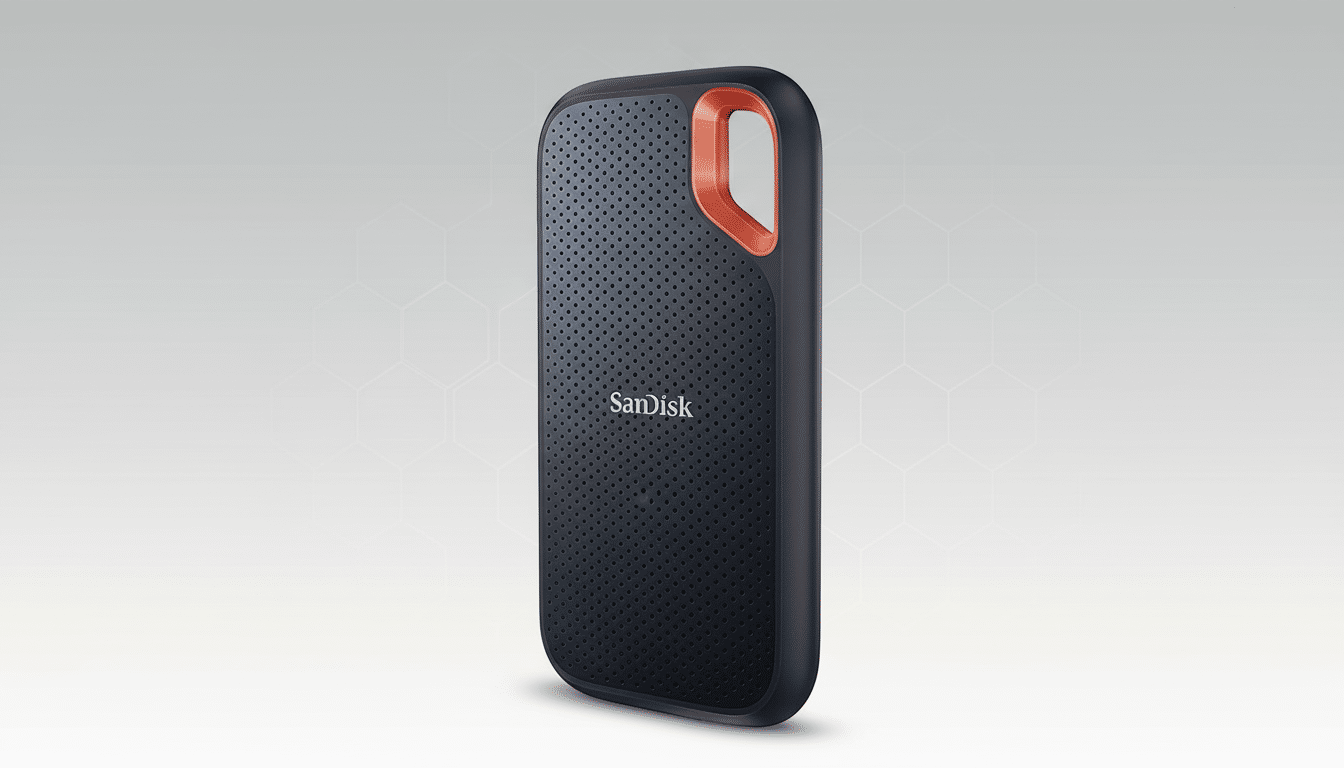
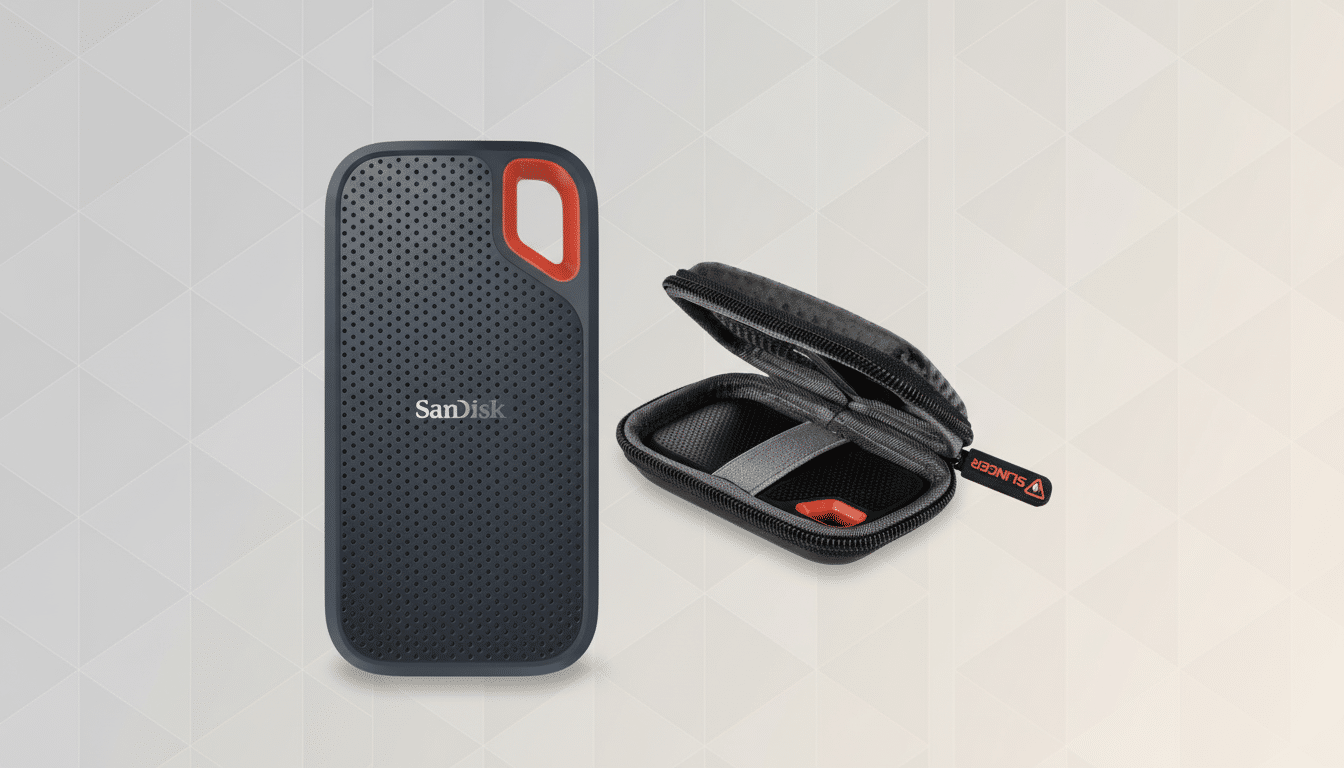
Portable SSDs are also seeing aggressive cuts. Ruggedized units like SanDisk’s Extreme-series and similar models from Samsung, Crucial, and WD often carry IP ratings for dust and water resistance, hardware encryption, and USB 3.2 Gen 2 (10Gbps) or 3.2 Gen 2×2 (20Gbps) interfaces. If you shuttle footage between sets or collaborate in the field, these drives can halve transfer times versus older USB 3.0 hardware. Price trackers such as Keepa and CamelCamelCamel have historically flagged Spring Sale periods as fertile ground for “all-time low” tags on 1TB portable SSDs.
One expert tip: check the controller, NAND type, and whether the SSD has onboard DRAM. DRAM-less designs with Host Memory Buffer can be fine for light use, but workloads with lots of random writes or sustained transfers usually benefit from DRAM-equipped models. Also compare endurance ratings; mainstream 1TB NVMe drives commonly land around 300–600TBW, while 2TB models can reach 600–1,200TBW. Most reputable SSDs include a 3- to 5-year warranty—worth confirming on the product page.
Bulk Storage Wins On HDDs And NAS Drives
For archival and massive libraries, 3.5-inch hard drives remain the cost-per-terabyte champs. Sale pricing on 12TB–20TB desktop or NAS models can push value into the $12–$15 per TB range, appealing to video editors, home media servers, and small businesses. Look for 7200rpm models with large caches for brisker sustained throughput, and confirm whether the drive uses conventional magnetic recording (CMR) rather than shingled (SMR), especially if you plan to use RAID.
NAS-focused lines like WD Red Plus/Pro and Seagate IronWolf/IronWolf Pro introduce firmware features such as TLER and rotational vibration sensors to improve multi-bay reliability. Independent data from Backblaze, which publishes annualized hard drive failure rates from its fleet, consistently shows that quality models tend to hold steady in the low single digits—reassurance for always-on scenarios. If you’re building or expanding a NAS, verify workload rates, rated hours per year, and warranty lengths before you buy.
Laptop-focused 2.5-inch HDDs emphasize capacity in tight spaces, but their throughput (often 120–150MB/s) can’t match even entry-level SATA SSDs. Consider these primarily for bulk storage rather than active project drives.
How To Choose The Right Drive During The Sale
Match interface to system: desktop motherboards and modern laptops typically accept M.2 2280 NVMe; older rigs may require 2.5-inch SATA. For external use, aim for USB 3.2 Gen 2 or better, and confirm UASP support for snappier small-file transfers.
Target capacity sweet spots. Historically, 1TB and 2TB SSDs offer the best price-to-performance blend, while HDDs hit strong value at 12TB–16TB. If you’re equipping a PS5, choose a Gen4 SSD with a proper heatsink. For Xbox Series X|S, look for officially licensed expansion cards; sales have recently trimmed prices on the 1TB and 2TB tiers from major storage makers.
Scrutinize specs beyond sequential speeds. Endurance (TBW), cache design, and controller quality matter more for real workloads than a single headline number. Also verify seller authenticity and warranty support—storage tends to be a long-term purchase, and 3–5 years of coverage is common from established brands like Samsung, WD, Seagate, Crucial, Kingston, and Silicon Power.
Who Benefits Most From These Spring Sale Storage Cuts
Gamers juggling 100GB-plus titles will notice faster level loads and smoother patching with NVMe SSDs. Creators working in 4K or 6K can render and relink media faster with high-end NVMe or 20Gbps portable SSDs. Small offices and home labs can expand backup capacity with high-TB HDDs, lowering cost per TB while keeping a 3-2-1 strategy intact. Industry groups and agencies have long advocated that approach—three copies of data, on two different media, with one offsite—to limit downtime after drive failures or ransomware.
Outlook And Takeaway For Storage Deals This Spring
Memory and storage pricing has been volatile in recent cycles, with analysts at firms like TrendForce noting periodic NAND and DRAM swings that ripple into retail. Big retail events often buck those trends with short-lived promotions. If you see a reputable 2TB Gen4 NVMe at a known floor, or a 14TB–18TB HDD dipping into the mid-teens per TB, that’s historically a strong buy signal. Just align the interface, endurance, and warranty to your workload—and back up before you migrate. At up to 60% off, this Spring Sale is an opportune moment to add speed, capacity, or both without bruising the budget.

