


Amazon is revamping its ad-free streaming option, rebranding it as Prime Video Ultra and charging more for the privilege. The former $3 monthly add-on to remove ads rises to $5, and 4K UHD playback and Dolby Atmos sound are now locked behind the same paywall. The company is also tweaking stream limits, lifting the standard plan to four concurrent streams and Ultra to five. For those set on staying ad-free with top-tier quality, an annual Ultra offer sits at $46.
What Changes With Prime Video Ultra: Features and Limits
The core Prime Video catalog and app remain, but the feature stack is split. Ultra delivers no ads, 4K resolution, and immersive audio that many users previously enjoyed without an upcharge. The base Prime Video experience continues with ads and tops out at HD with standard surround sound, though it gains a modest boost in concurrent streams. In short, Ultra corrals the best technical features into a pricier tier while leaving the entry experience intact but more limited.
- What Changes With Prime Video Ultra: Features and Limits
- 4K and Dolby Atmos Move Behind a Paywall on Prime Video
- The Business Logic Behind the Shift to Prime Video Ultra
- How It Compares to Other Streamers on Price and Features
- What Viewers Should Consider Now Before Upgrading to Ultra
- The Bottom Line on Prime Video Ultra’s New Pricing and Perks
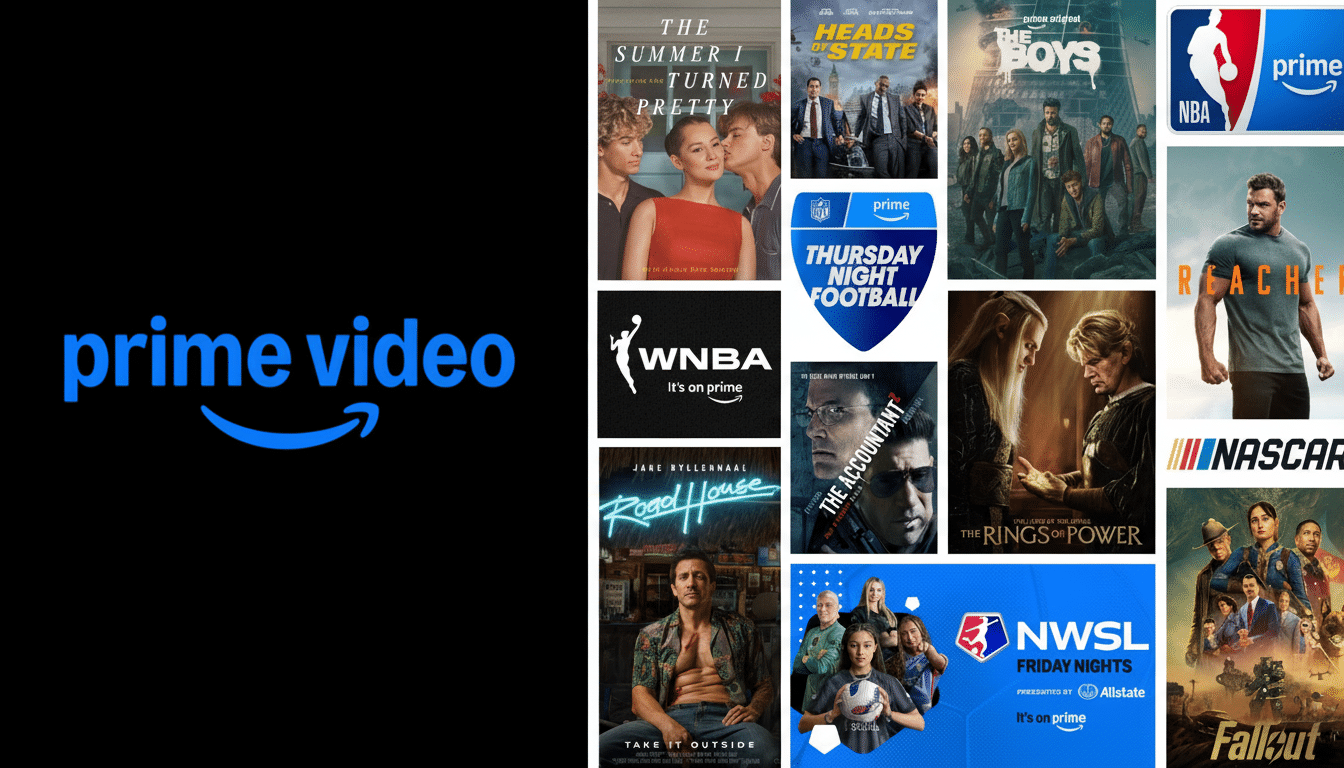
4K and Dolby Atmos Move Behind a Paywall on Prime Video
For years, Prime Video was a rare outlier among big streamers by bundling 4K into its default offering. That era ends with Ultra. If your home theater relies on Dolby Atmos soundbars or AVRs, or if you invested in a 4K HDR TV expecting native streams, you now face an upgrade decision.
Technically, 4K on streaming can be a mixed bag. Apple’s originals often push bitrates well above 20 Mbps, while Prime Video titles typically vary more widely depending on encoding and bandwidth. On a 55-inch set viewed from eight to ten feet, some viewers may struggle to see a stark resolution jump from 1080p; HDR and Atmos, however, can deliver immediately noticeable improvements in contrast and spatial audio. With Ultra becoming the gatekeeper, those benefits will be reserved for upgraders.
Amazon’s move also aligns it with rivals. Netflix, Disney+, and Max have long restricted 4K and advanced audio to higher-priced plans. Apple TV+ is the standout for including 4K, Dolby Vision, and Atmos at the base price across nearly all originals. For Prime Video users, the historical free ride on 4K ends here.
The Business Logic Behind the Shift to Prime Video Ultra
The calculus is simple: upsell to lift revenue while expanding ad inventory on the base tier. Amazon’s advertising business already exceeds $45 billion annually according to company financials, and Prime Video’s ad tier adds a powerful new surface area for targeted campaigns. Meanwhile, moving 4K and Atmos to Ultra nudges higher-value customers toward a predictable monthly ARPU increase.
Industry data suggests the bet may pay off. At recent upfront presentations, Netflix disclosed more than 40 million monthly active users on its ad plan, showing strong consumer tolerance for ad-supported streaming when pricing is attractive. Research from firms like Antenna and Deloitte has also tracked a clear shift toward ad tiers as households juggle multiple subscriptions and look to trim bills. Ultra gives Amazon a clearer two-lane strategy: a mass-market, ad-backed HD tier and a premium, higher-margin tier with the bells and whistles.
How It Compares to Other Streamers on Price and Features
On features, Ultra now mirrors the positioning of many competitors. Netflix’s 4K requires its top plan. Disney+ and Max reserve 4K and Atmos for their highest tiers. Apple TV+ remains the exception, including premium formats with no add-on. Concurrency with Ultra (five streams) is generous relative to some peers, though household needs vary widely.
The wrinkle is perception. Prime membership is already a bundled ecosystem—shipping, music, and more—with video long treated as an inclusive benefit. Charging extra for both ad-free viewing and 4K feels like double gating to loyal Prime households who never asked for ads in the first place. Expect some churn, some grumbling, and many reluctant upgrades from viewers who truly care about HDR and theater-grade audio.
What Viewers Should Consider Now Before Upgrading to Ultra
If you primarily watch on a bedroom TV or mobile screen, HD with ads may be tolerable. For a living-room setup with a capable TV and sound system, Ultra is effectively the ticket to restore the experience you had before. Test your own use: are you frequently seeking Dolby Atmos mixes or noticing HDR detail in Prime originals and licensed films? If not, you might not miss much.
Households can also optimize. Use Ultra during months packed with must-watch series and cancel as schedules thin—a tactic that measurement firms say is increasingly common as viewers cycle between services. And if pristine quality is paramount, remember that digital purchases from movie stores or UHD Blu-ray still offer higher, more consistent bitrates than most streaming platforms.
The Bottom Line on Prime Video Ultra’s New Pricing and Perks
Prime Video Ultra formalizes a new reality: ad-free viewing and top-tier formats now cost extra. The strategy is textbook streaming economics and consistent with the broader market, but it stings for customers who saw 4K and Atmos as baseline perks of Prime. Whether Ultra feels like a necessary upgrade or an avoidable surcharge will come down to your screen, your speakers, and your patience for ads.

