


I spent the past month using Xiaomi’s Pad 8 Pro Matte Glass as my daily tablet, and it did something no Android slate has managed in years: it pushed my iPad out of my bag. Between the anti-reflective etched display, sustained performance, and surprisingly polished accessories, this 11.2-inch device hit the rare balance of entertainment and productivity that most rivals, including the iPad Air, struggle to nail.
It’s not perfect—Android still stumbles with app scaling and desktop-class web tools—but for reading, research, writing, and streaming (plus the occasional photo edit), the Xiaomi held up better than expected. If you prize a glare-free screen, long battery life, and fast charging, this is the first serious iPad alternative I’d recommend in its class.
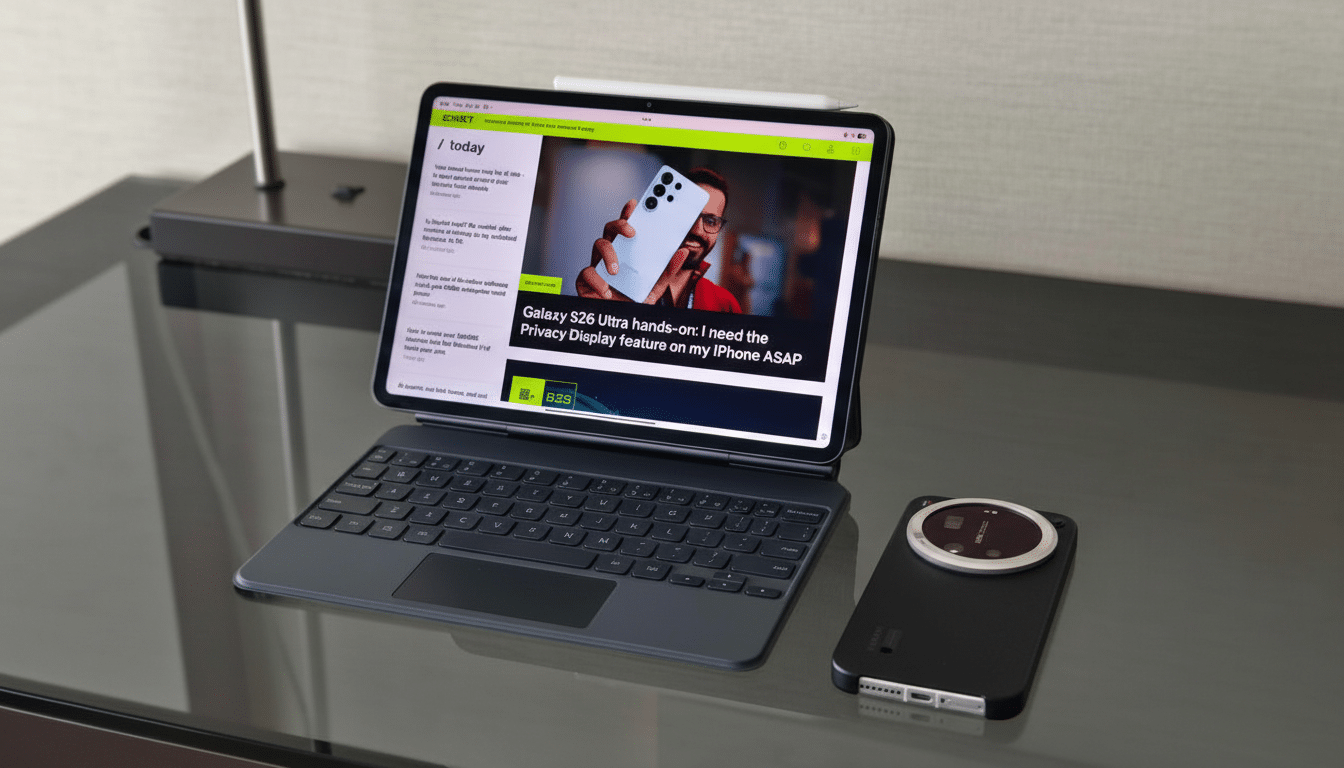
Matte-Glass Display Cuts Glare Without Killing Color
Xiaomi’s “next‑gen nano texture” glass is the headline feature, and it earns that billing. The 11.2-inch 3:2 LCD runs at 3,200 x 2,136 with a 144Hz refresh rate, and the etched layer meaningfully tames reflections. Xiaomi claims 44% less reflectivity than its last generation; in practice, I could read and annotate documents on a bright balcony where my iPad Air turned into a mirror.
Colors remain punchy—I set the screen to Vivid—and you can fine-tune white balance in settings. There is a trade-off: the matte finish resists, but doesn’t eliminate, smudges and is a bit harder to clean than glossy glass. That aligns with long-standing DisplayMate observations about matte coatings: they reduce specular glare while introducing a subtle diffusion you notice only when pixel-peeping.
Performance And Battery Built For Long Days
Under the hood, the Matte Glass variant pairs a flagship-grade Qualcomm Snapdragon 8 Elite with 12GB of RAM and 512GB of storage. HyperOS, based on Android 16, feels tuned for fluidity: 144Hz animations stay smooth, split-screen with Docs and Chrome is snappy, and floating windows pop in without jitter. Workstation Mode, Xiaomi’s desktop-style layout, is the best I’ve used on an Android tablet to date.
The 9,200 mAh battery is a quiet triumph. On two separate long-haul flights, six hours of Netflix each time still left me with 21% charge. Around town, I routinely ended a heavy, mixed-use day without reaching for a socket. When I did, 67W wired charging was a relief—plug in during lunch and you’re comfortably topped up. It’s the fast-charging confidence I wish my iPad Air offered.
Accessories That Unlock Real Productivity
The Focus Keyboard completes the picture. It borrows the best ideas—comfortable travel, a roomy trackpad, and crucially, backlit keys—while undercutting Apple’s Magic Keyboard on price. The caveat: it’s happiest on a desk. On a lap, the weight distribution turns top‑heavy and can tip if you lean back.

For notes and edits, the Focus Pen Pro impressed. The unibody, button‑free design gives your grip fewer distractions, while pressure‑sensitive shortcut zones and intuitive pinch and double‑tap gestures speed up tool switching. Hover preview and a side‑rotation brush mode help with shading and texture work. I’m no illustrator, but handwritten notes, markups, and Lightroom tweaks felt responsive and natural.
Close to a Laptop, But Not a Full PC Replacement
Workstation Mode gets you far: resizable windows, a taskbar, and reliable keyboard shortcuts. For my workflow—research in Chrome, drafting in Google Docs, messaging, and video calls—it was fast and stable. The ceiling appears when you need desktop‑grade web apps or pixel‑perfect window scaling. Some sites still force mobile layouts, and a few Android apps don’t respect multi-window sizing.
Google’s Android Developers team has been pushing large‑screen guidelines and app updates, and the experience is undeniably better than a couple of years ago. But until browser vendors deliver a truly desktop-class mode across the board and more third-party apps embrace adaptive layouts, power users with CMS‑heavy or specialized web tools will still carry a laptop.
Price, Availability, and a Practical Verdict
The Pad 8 Pro starts at £529 for 8GB/256GB, while the Matte Glass model with 12GB/512GB is £770. The Focus Pen Pro is £89 and the Pro Focus Keyboard is £179. Availability is broad in Europe and parts of Asia, but there’s no official US launch, which limits its impact in the biggest iPad market.
Even so, this is the first 11‑inch Android tablet I’d pick over an iPad Air for most people who split their time between work and streaming. The anti‑reflective screen is more than a spec sheet flourish; it changes when and where you can use the device. Add best‑in‑class charging, strong battery endurance, and competent accessories, and Xiaomi’s Matte Glass tablet earns a spot as my default carry. If your workload fits within Android’s maturing large‑screen ecosystem, you may not miss your iPad—or your laptop.
