


USB-C was supposed to simplify phone charging, yet it remains a maze of incompatible cables, opaque protocols, and inconsistent speeds. That’s why the Xiaomi 17 Ultra stands out: it treats fast charging like a user experience problem, not just a spec sheet race, and, crucially, it plays nicely with widely available chargers.
Why USB-C Fast Charging Is Still Confusing
On paper, the USB Implementers Forum’s USB Power Delivery 3.1 standard supports up to 240W, and PPS enables dynamic voltage adjustment for cooler, more efficient top-ups. In reality, many flagships still gate fast speeds behind proprietary profiles, finicky cables, or a single “approved” brick. It’s why an iPhone typically sits around 27W, a Pixel hovers near 27W as well, and even some premium Android phones cap out at 45W with limited compatibility across third-party chargers.
Layer in cable constraints—E‑marker chips, current limits, and aging USB‑A accessories—and the result is consumer confusion. The European Commission’s common charger rules and the USB-IF’s labeling initiatives help, but they don’t solve the day-to-day problem of knowing whether the plug you grabbed will actually fast charge your phone.
The Phone That Finally Nails USB-C Fast Charging
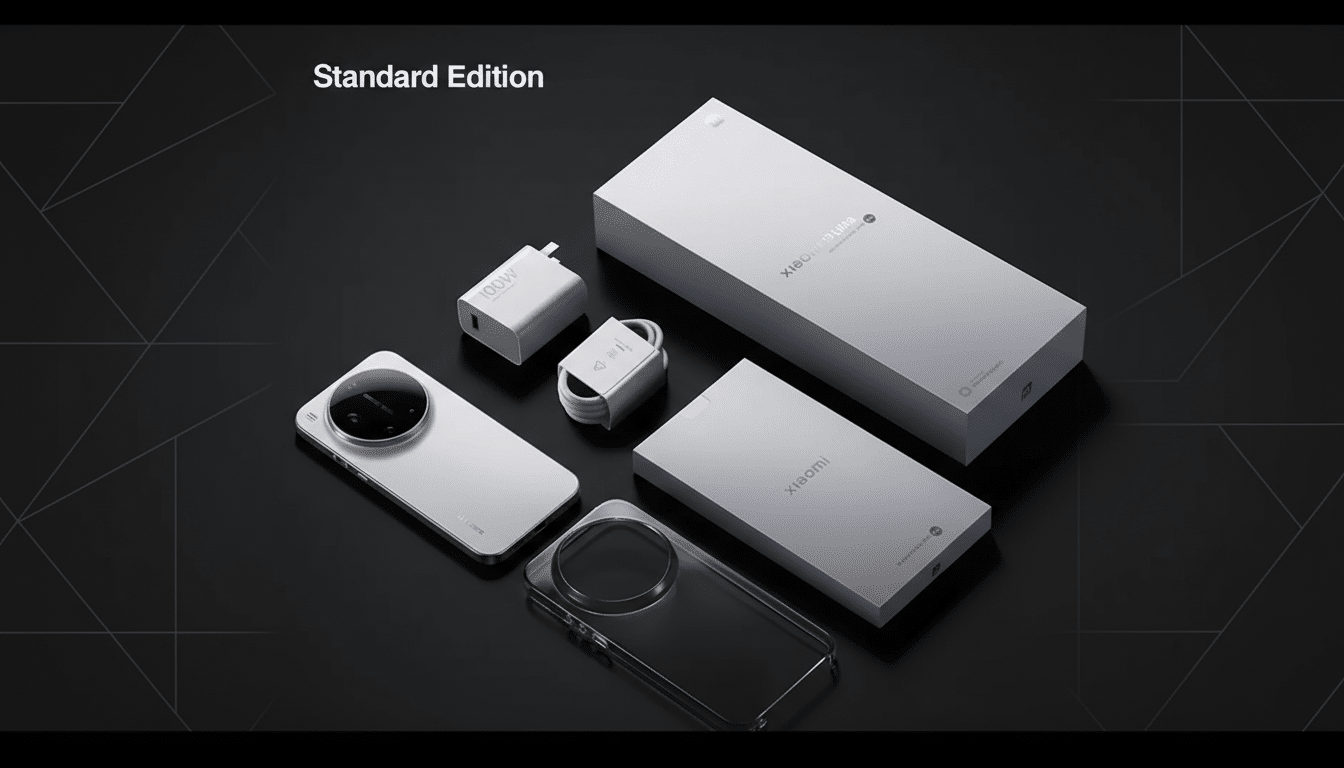
The Xiaomi 17 Ultra embraces universal fast charging. It supports USB Power Delivery (including PPS) and China’s Unified Fast Charging Standard, so it can draw serious power from a wide range of modern GaN bricks and laptop adapters. In testing with common chargers from leading accessory brands and notebook OEMs, the phone consistently negotiated high rates without demanding a proprietary plug.
What truly elevates the experience is the software. Plug in below 20% and you’re prompted to enable a short “boost” mode for faster top-ups. Prefer to baby the battery on routine charges? Leave it in the standard profile or cap charging at 80%, an option that’s become a must-have for long-term health. There’s also a smart mode that tempers power if the device is hot from gaming or video capture, prioritizing responsiveness and battery longevity over outright speed.
Critically, the phone only ramps to peak power when the screen is off. With the display on or under heavy use, it downshifts to moderate levels to keep temperatures in check. In our real-world measurements, that translated to roughly 15W–50W while active, then jumping to around 70W from a 100W-capable PD PPS brick once the screen went dark. The result is predictable, safe, and fast—without cooking your hands or your battery.
Speed Without Sacrificing Battery Health
Fast charging’s enemy is heat. Battery researchers often cite that every 10°C rise can accelerate degradation significantly, shortening cycle life. By tying power levels to device state and temperature, the 17 Ultra avoids the worst-case scenario—pushing max watts while the phone is already hot. For users, that means quick top-ups when you need them and gentler currents the rest of the time.

Add a large silicon‑carbon cell and robust thermal monitoring, and the phone routinely delivers quick “get me out the door” sips in minutes while protecting capacity over the long haul. This is exactly how USB-C fast charging should behave: smart, adaptable, and transparent.
Where It Still Falls Short and Needs Improvement
There’s room to improve the status indicators. The phone clearly brands its speeds when paired with its own brick, but it can be less explicit when hitting equivalent rates over PD PPS. A standardized on-device readout—showing the active protocol and negotiated wattage—would go a long way toward demystifying the process. The USB-IF has done its part with certification logos; it’s time for phones to mirror that clarity on screen.
Another missing piece is bypass charging for gaming—powering the phone directly from the adapter to avoid cycling the battery during long sessions. Some rivals offer this, and it’s especially helpful for thermals and longevity when you’re plugged in for extended play.
What This Means for the Industry and Consumers
By combining broad standards support with user-first software, the 17 Ultra shows that fast charging doesn’t have to be a gamble. The approach shames the status quo of limited protocols and opaque behavior. If more manufacturers matched this playbook—embracing PD PPS widely, surfacing clear power info, and offering health‑friendly controls—USB-C might finally deliver on its promise.
Until then, this is the rare flagship that makes fast charging feel effortless. You plug it in, it figures out the smartest path, and you get on with your life—no hunting for the “right” brick, no worrying you’re trading today’s speed for tomorrow’s battery replacement.
