


Farms are constantly seeking ways to optimize space utilization, particularly as operations become increasingly complex. From storing equipment to housing livestock, structural needs on farms have expanded beyond the basics. Materials that offer consistency and long-term function are now a central part of the planning process.
This growing focus on durable, adaptable space is leading many agricultural operations to explore new structural options. Farmers are replacing outdated structures with steel, drawn by its flexibility and reduced maintenance demands. A well-designed agricultural building constructed from steel provides dependable shelter while meeting operational goals.
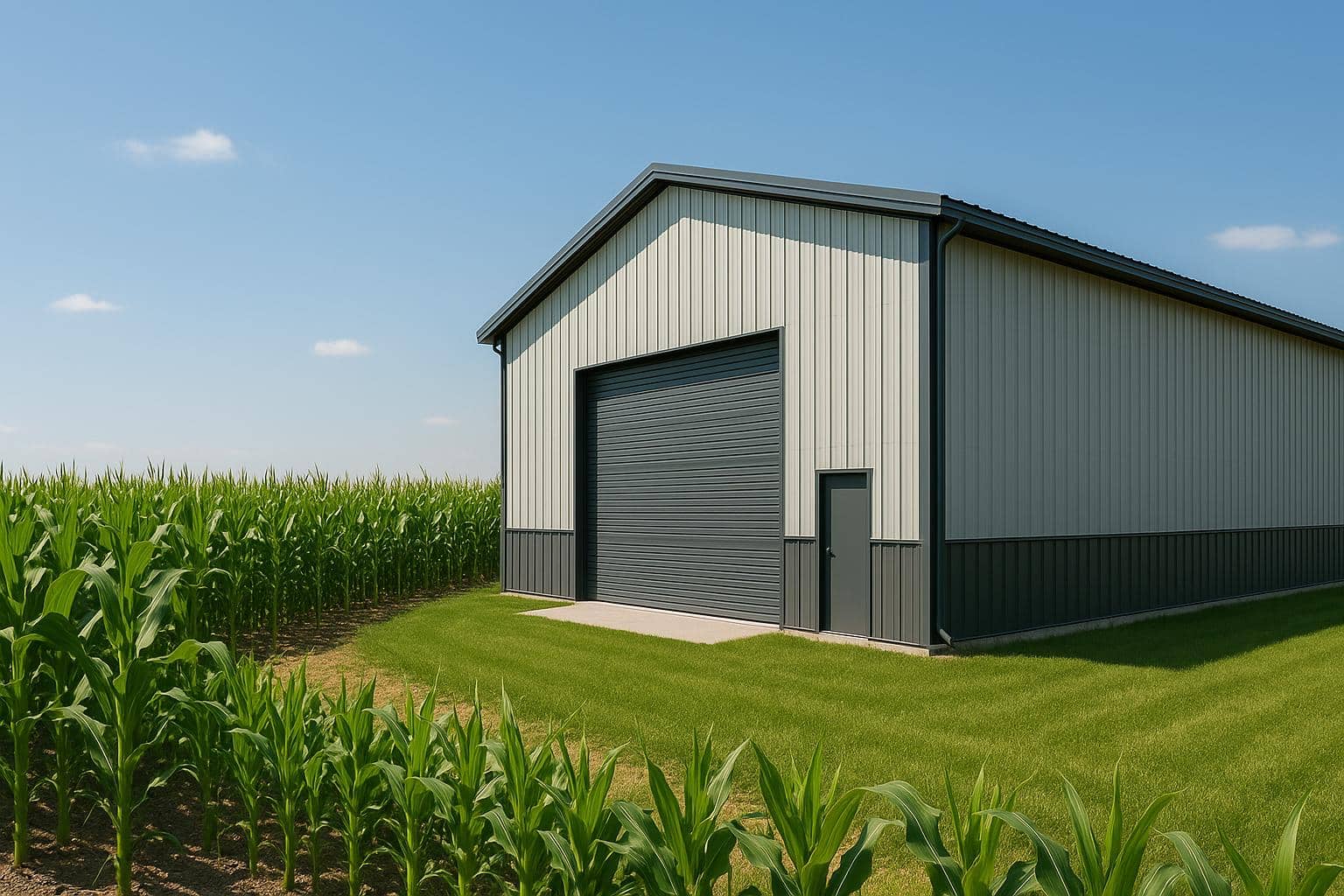
Maximizing Space and Resilience
Steel structures offer exceptional strength and long-term durability, making them ideal for demanding farm environments. Their robust construction minimizes wear from daily operations and reduces the need for frequent repairs, offering reliable performance over time.
One of the key advantages of steel is its ability to support wide, open interiors without the need for interior columns. This open space allows for flexible layouts, efficient storage of large machinery, and easy adaptation to changing operational needs. Whether used for equipment storage, livestock housing, or multi-use work areas, steel buildings provide the versatility farms need to make the most of every square foot.
Structures That Perform Across Different Weather Conditions
Farm structures are exposed to a range of varying climates, from intense heat to heavy snowfall. Steel buildings offer durability in these conditions through protective coatings and insulation that help regulate internal temperatures and reduce corrosion. These features support critical farming needs, such as:
- Maintaining dry storage for hay, tools, and feed
- Providing safe, temperate environments for livestock
- Reducing downtime caused by weather-related damage
- Improving long-term structural reliability in high-moisture zones
By withstanding seasonal stress, these structures help farms operate efficiently year-round with fewer disruptions.
Ready-to-Assemble for Reliable Farm Use
Pre-engineered steel buildings are becoming a practical choice for agricultural sites focused on long-term functionality and efficient development. These systems arrive with pre-cut components, which are fabricated to precise specifications, helping simplify construction and minimize delays. They are increasingly used across a wide range of farm applications:
- Equipment storage that requires open layouts without interior posts
- Livestock shelters are designed for ventilation and comfort
- Grain and hay storage with moisture-resistant framing
- Workshops and maintenance bays with customized access points
Their consistent build quality, adaptable design options, and potential for future expansion make them a trusted option for rural infrastructure planning.
Designs That Adapt to Changing Farm Requirements
Steel structures can support more than just one function. The same building might be used to store grain in one season and equipment in another. With options for large doors, proper airflow, and internal dividers, the layout can be updated as needs shift. This adaptability is invaluable for farms with limited space or those exploring new types of production. The ability to modify a structure without starting over makes it easier to plan for both current needs and future changes.
Steel’s Growing Role in Smarter Agricultural Planning
Steel continues to support improvements in how the agricultural structure is used and maintained. With consistent performance, simple maintenance routines, and flexible layouts, these structures enable farms to utilize their space more efficiently. Their role in agricultural planning is becoming more common across different scales and types of operations.
Farmers require space that can adjust to seasonal tasks and long-term goals. In many cases, a steel-framed agricultural building helps meet that need while offering structural dependability. With adaptable designs and consistent performance, steel is becoming a reliable material choice for farms that aim to protect equipment, shelter animals, and support ongoing growth without unnecessary complexity.

