


The White House is pressing AI and cloud providers to shield households from electricity bill increases tied to the data center boom, and the industry is largely on board. Most major players have already pledged to absorb or offset any rate impacts their facilities cause, signaling a rare consensus between policymakers and tech on a hot-button infrastructure issue.
The push arrives amid mounting concern that energy-hungry AI clusters are straining grids and nudging prices higher. In a televised address, President Donald Trump said tech firms should secure their own power so that neighbors’ bills don’t rise, even suggesting on-site generation as part of that obligation.
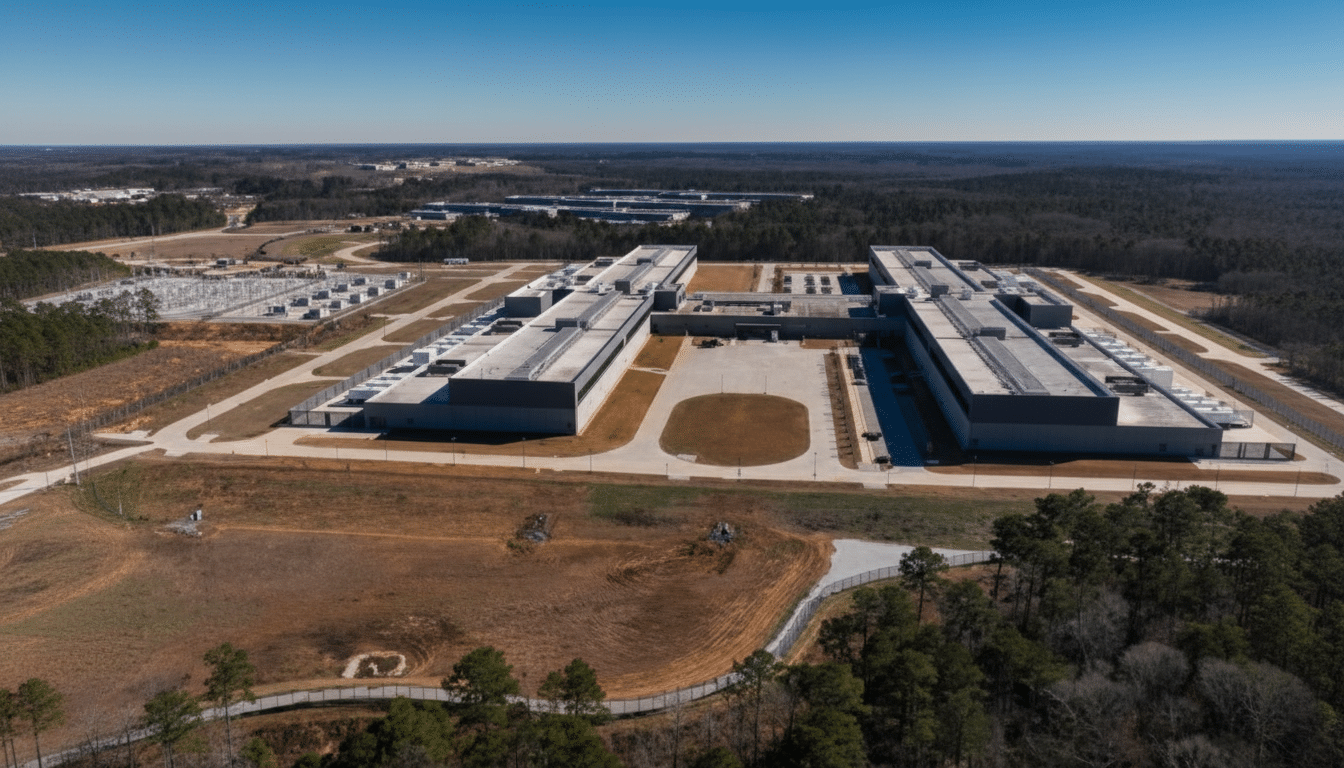
What Is Driving the Policy Shift on AI and Power
Average U.S. electricity prices climbed more than 6% over the past year, according to the U.S. Energy Information Administration, with regional spikes where data centers are clustering. Grid planners from PJM to ERCOT have revised load forecasts upward for the first time in years, citing AI training campuses, semiconductor fabs, and electrification as key drivers.
The International Energy Agency estimates global data center electricity demand could roughly double within a few years, with AI accounting for a growing share of that growth. Even where utilities can serve the load, long lead times for transformers and transmission upgrades—flagged by the Department of Energy and industry groups—are intensifying local debates over who pays and who benefits.
Big Tech’s Preemptive Pledges to Cover Rate Impacts
Major AI developers moved first. Microsoft announced a policy to ensure its data center operations do not raise residential power bills. OpenAI and Anthropic separately committed to “pay their own way” on energy so consumers are not left with higher rates. Google disclosed a massive battery storage project to support a Minnesota campus, pitching it as a model for firming capacity without leaning on ratepayers.
Those steps build on longer-running efforts: Google and Microsoft are pursuing 24/7 carbon-free energy portfolios, while cloud providers have inked gigawatts of long-term clean power contracts to hedge both emissions and price risk. Some companies are testing on-site resources—gas turbines for reliability, large-scale batteries for peak shaving, and in one headline-grabbing memorandum, a fusion offtake bet—aimed at decoupling their growth from local bill impacts.
The White House says companies will soon send representatives to formally sign a pledge committing to cover rate impacts, with Amazon, Google, Meta, Microsoft, xAI, Oracle, and OpenAI expected. Executives have not publicly confirmed attendance, but the list mirrors the firms making public promises in recent weeks.
How Covering Rate Hikes Would Work for AI Data Centers
There are several levers companies and regulators can pull to ensure households aren’t subsidizing AI:
- Direct assignment of grid upgrade costs: Under Federal Energy Regulatory Commission rules and utility tariffs, large customers can be charged for interconnection and network upgrades their projects trigger, rather than spreading those costs across all rate classes.
- Dedicated high-load tariffs and riders: Utilities can ringfence the costs of serving very large loads with bespoke rates that recover new infrastructure and capacity charges from those customers, not from residential accounts.
- Behind-the-meter resources: On-site solar, batteries, and firm generation can cut peak demand and capacity charges, limiting the need for costly grid reinforcements. Google’s Minnesota battery plan is an example of this approach at scale.
- Long-term hedges: Utility-scale power purchase agreements and 24/7 clean energy procurement can stabilize exposure to wholesale volatility, reducing the knock-on risk of shared rate increases.
State public utility commissions in major data center states such as Virginia, Georgia, and Arizona will be pivotal. They already apply “no cross-subsidy” tests in rate cases; the coming pledges could formalize that principle for AI growth, clarifying attribution rules for when a given project causes a price impact and how repayment is calculated.
Risks and Community Concerns Around On-Site Power and Water
Covering rate hikes is not a cure-all. On-site generation can reduce grid dependence but still bring local air and water impacts, depending on technology and siting. Battery projects mitigate peaks but compete for the same supply chains—lithium, power electronics, and especially large transformers—that are already stretched.
Local officials want legally binding protections. Arizona Senator Mark Kelly criticized informal “handshakes” and called for guarantees that communities won’t see higher bills and will have a say in siting. Advocacy groups are also pressing for transparency on water use, which can reach millions of gallons per day in certain cooling designs, and for community benefits like bill credits, workforce programs, and grid upgrades that outlast individual facilities.
What to Watch Next as Pledges Become Enforceable Policy
The pledge language matters. Key questions include how “rate impact” is defined, whether commitments apply only to residential customers or all non-industrial classes, and how enforcement will work across multi-utility footprints. Expect regulators to push for cost-tracking mechanisms, independent verification, and public reporting.
The bigger test is execution. If the industry can scale behind-the-meter resources, directly fund necessary grid upgrades, and maintain 24/7 clean portfolios, it can blunt political blowback while keeping AI’s growth on track. If not, expect tougher tariffs, stricter interconnection rules, and a faster march toward local moratoria in overburdened corridors.
