


Most people schedule a heating installation once, maybe twice, over the course of owning a home. That’s not enough experience to know what a normal process actually looks like — so it’s easy to either expect too little from a contractor or worry about problems that aren’t really problems at all. Here’s a clearer picture of how it actually goes.
Myth: Bigger Systems Heat Faster and Better
One assumption trips up more homeowners than almost anything else: bigger equals better. In reality, an oversized furnace or heat pump short-cycles — it blasts heat quickly, shuts off, then kicks back on a few minutes later once the house cools slightly. That constant starting and stopping wears out components faster and actually creates less consistent comfort than a correctly sized system running longer cycles.
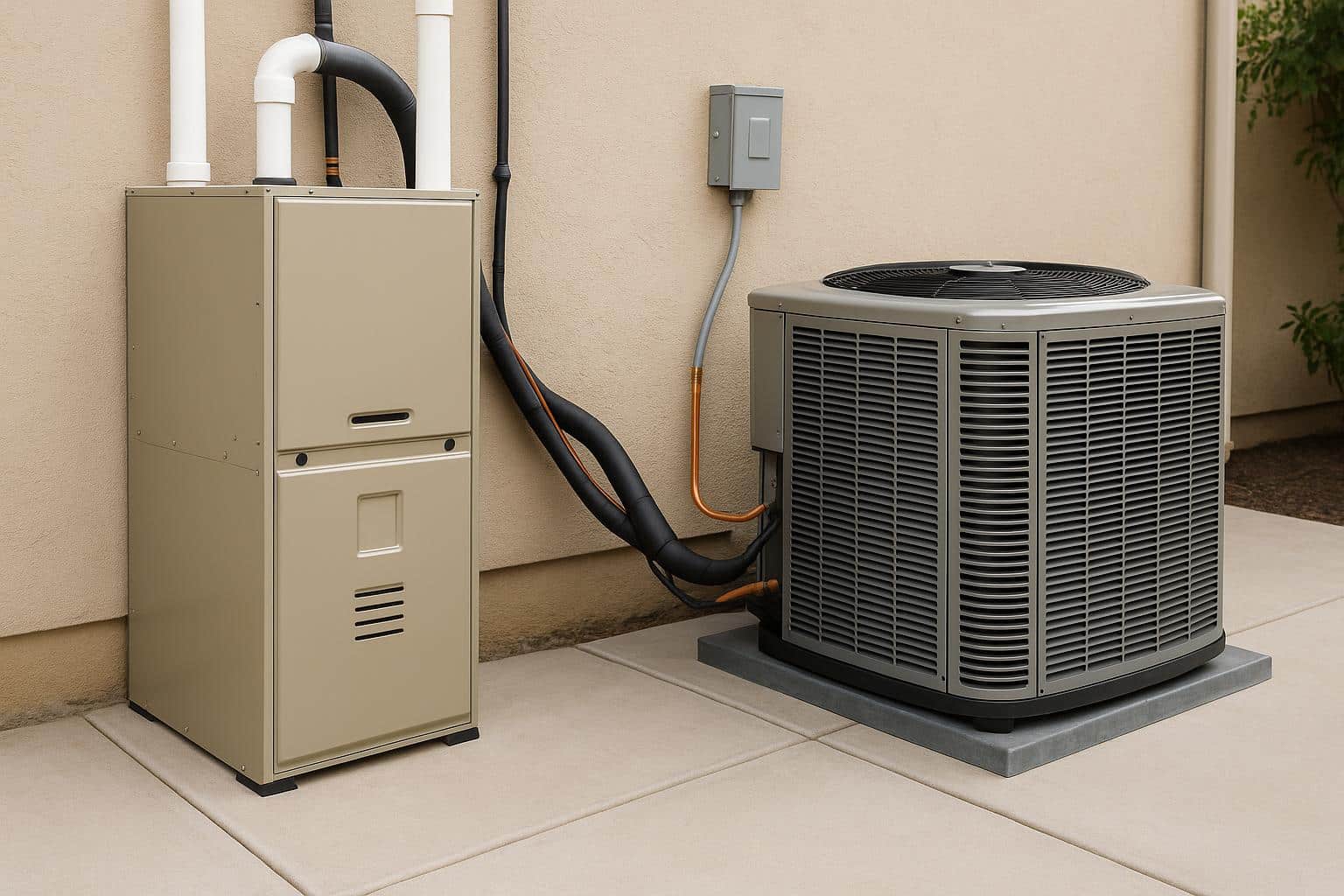
Getting heating installation services from a technician who spends real time calculating heat loss for the home, rather than just eyeballing the old unit’s size, is what actually determines comfort for the next fifteen years.
The Walkthrough Tells You More Than the Quote
Before installation day ever gets scheduled, a legitimate contractor walks the property. They’re looking at insulation levels in the attic, checking whether existing ductwork can handle the airflow a new system needs, and noting anything unusual about the layout that might affect performance.
Skip this step, and the quote is really just a guess dressed up as a number. It’s one of the clearest signals for telling a serious contractor apart from someone just trying to close a sale quickly.
Installation Day Usually Isn’t Dramatic
A lot of homeowners brace themselves for a chaotic day — torn-up walls, dust everywhere, the house in disarray. For most standard installations, that’s not what actually happens. A crew disconnects the old system, sets the new equipment, connects it to existing ductwork or electrical, and tests everything under load, typically within a single day unless ductwork modifications are involved.
Protective coverings on floors and furniture should be standard practice, not something you have to specifically request.
What Separates a Thorough Job From a Rushed One
A few details tend to separate careful installers from ones just trying to finish quickly:
- Static pressure testing to confirm the ductwork can actually support the new system’s airflow
- Combustion safety checks on gas equipment before the crew leaves
- A clear explanation of the new thermostat, not just a quick point-and-nod
- Written documentation of what was installed, for warranty and resale purposes
None of these take much extra time, but skipping them is exactly how small issues turn into callbacks a few months later.
The Real Cost Isn’t Just the Sticker Price
Pricing depends on system type, ductwork condition, and whether electrical upgrades are needed — but the number on the initial quote doesn’t always reflect the final bill. Permitting fees, disposal of the old unit, and any code-required upgrades discovered mid-project can all add cost if they weren’t clearly itemized from the start.
Asking exactly what’s included, in writing, before signing anything avoids most of the unpleasant surprises that show up later.
Judging Success a Year Later, Not Day One
A properly installed heating system doesn’t really prove itself on day one — it proves itself over the first full winter, running consistently without constant adjustment, without unusual noises, and without an unexplained jump in energy bills. That’s the real test, and it’s worth checking back with the installer if anything feels off during that first season rather than assuming it’s just how the system works.

