


ArcelorMittal Kryvyi Rih is preparing to place its operations in cold shutdown after repeated missile attacks, according to an Oct. 10 RBC-Ukraine report that described a sharper operational retreat than the partial production halt the company confirmed in August.
The report said primary steelmaking has already stopped and that the Kryvyi Rih site will use the next two months to prepare equipment and industrial assets for safe preservation. A cold shutdown would move the plant beyond an interruption while damage is assessed: the reported plan is to protect the facility for a period in which normal production is not expected to resume.

From partial halt to preservation plan
ArcelorMittal said in an Aug. 17 statement that a missile strike over the preceding weekend had damaged its Kryvyi Rih operation’s energy and blast-furnace production facilities. The company said production processes had been partially halted as specialists assessed the damage and considered the options and timing for restoring operations.
The October report indicates that those immediate repair-and-assessment measures have given way to a longer preservation process. RBC-Ukraine said the decision followed four missile attacks and was based on information from the company. The outlet also reported that the group intends to discuss a potential restart with the Ukrainian government after the war, if operating conditions allow.
The distinction is material for the plant’s operations. A partial halt can leave portions of a production system running or poised for repair. The reported cold-shutdown plan, by contrast, calls for an organized process to secure equipment and preserve assets over a stated two-month period. It does not set a restart date.
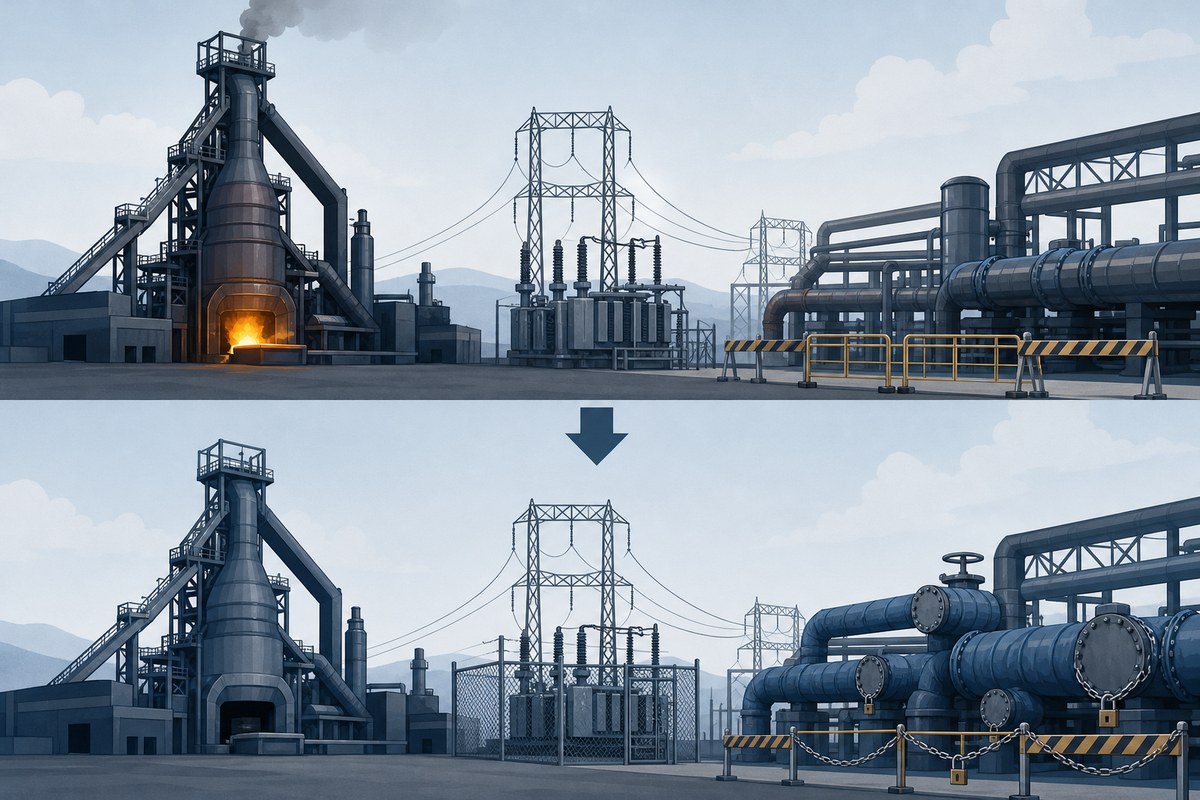
For ArcelorMittal, the immediate issue is less a conventional demand-driven production decision than the condition of the energy and core steelmaking equipment needed to operate safely. The August statement specifically identified both power-related infrastructure and blast-furnace facilities as damaged, underscoring why an interruption at the site can extend beyond a single production line.
Casualty figures describe different reporting scopes
The reported shutdown should not be read as independently confirming all of the cumulative casualty figures published alongside it. RBC-Ukraine said four attacks had killed six employees and injured more than 18 people. Those numbers are broader than the casualty account in ArcelorMittal’s August statement and appear to cover more than one incident.
For the August strike, ArcelorMittal reported one employee and one contractor employee killed, along with 13 employees and contractors injured. It also said the plant’s energy and blast-furnace facilities were damaged. The statement provides a clear account of that specific weekend attack, but it does not establish the four-attack total or the six deaths reported later by RBC-Ukraine.
Other reporting adds to the difficulty of treating the figures as a single event. A Sept. 22 SOFX report described a September attack and said two contractor employees were killed. That account may concern a separate strike, but it cannot be matched conclusively to the August company statement from the published details. The identities, dates and cumulative total of fatalities therefore remain dependent on which attack is being counted.
The operational progression, however, is more clearly defined. On Aug. 17, ArcelorMittal confirmed damage, deaths and injuries from a strike, along with a partial halt in production. By Oct. 10, RBC-Ukraine reported that primary steelmaking was already halted and the site was moving toward preservation rather than an immediate restoration of output.
Restart remains conditional
RBC-Ukraine quoted Mauro Longobardo, chief executive of ArcelorMittal Kryvyi Rih, as saying that the group was not leaving Ukraine. The report said any discussion of restarting would take place with the Ukrainian government once the war ended and conditions permitted a return to operations.
That leaves the company facing two separate tasks: safeguarding people and maintaining industrial assets through the shutdown period, while retaining the ability to rebuild operating capability later. The two-month timetable cited by RBC-Ukraine applies to preparing the site for safe shutdown and preservation, not to a return of steel production.
ArcelorMittal’s August statement had framed the first interruption as a damage assessment and recovery problem. The reported October plan suggests the company now expects a longer period before the Kryvyi Rih operation can again be considered for restart.

