


A turf toe injury is a sprain of the ligaments around the big toe joint, usually caused by excessive upward bending of the toe, often during sports like football, soccer, or basketball. Common on artificial turf, it can cause pain, swelling, stiffness, and difficulty moving the toe. Severity ranges from mild ligament stretching to complete tears, with recovery time varying accordingly. Early recognition and proper care are crucial to prevent long-term joint issues and maintain mobility. Ignoring symptoms or returning to activity too soon can worsen the injury and lead to chronic problems.
For severe cases that need close monitoring or specialized treatment, seeking Inpatient Care in Del Rio can ensure proper recovery and prevent complications.
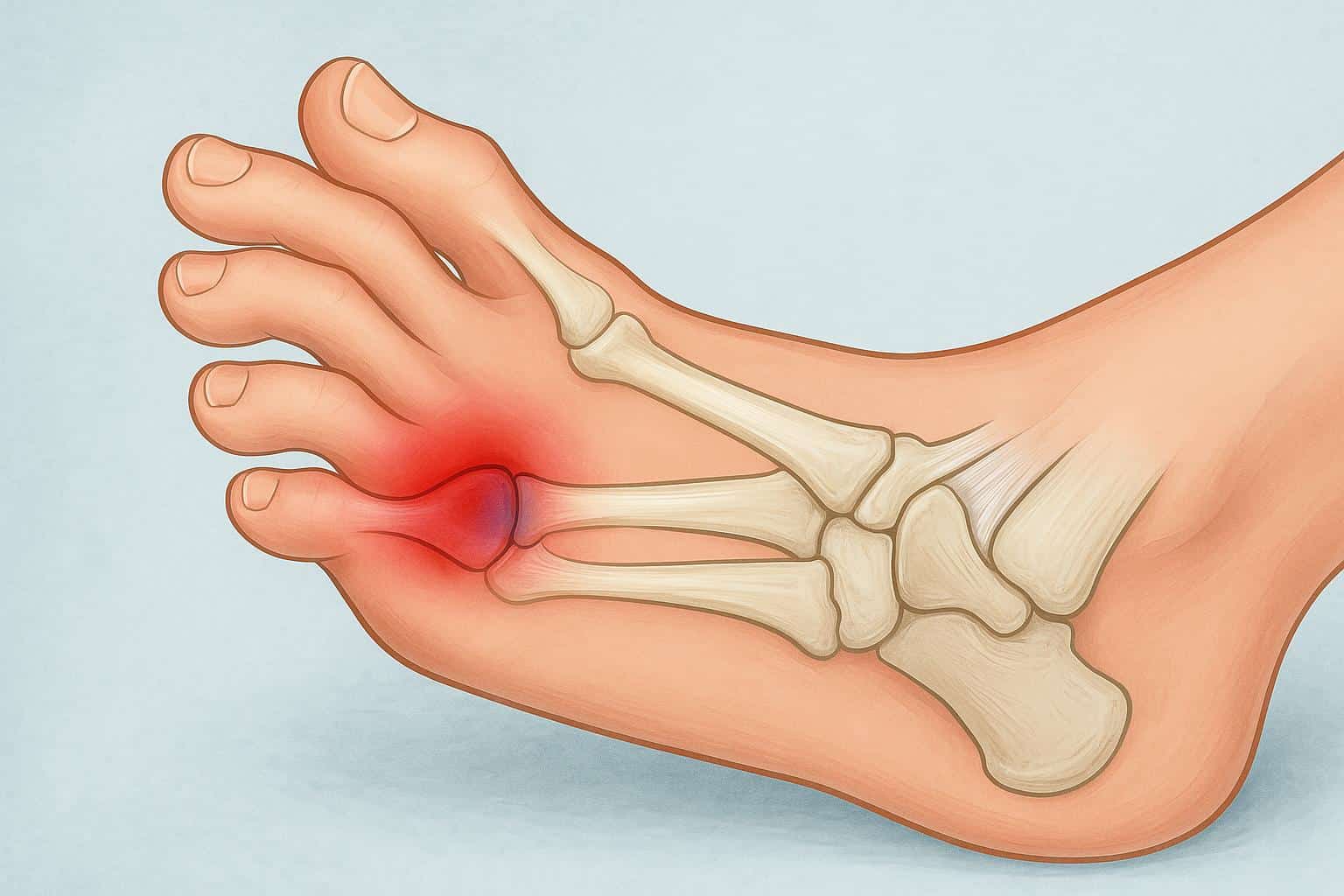
Turf Toe Symptoms
Turf toe injuries can cause discomfort and affect movement, making it important to recognize early signs. If symptoms are severe or sudden, visiting an emergency room near me can help ensure proper diagnosis and timely treatment.
- Pain at the base of the big toe, especially during movement: The pain may intensify when running, jumping, or pushing off the foot, making physical activity difficult.
- Swelling and bruising around the joint: The affected toe can appear visibly swollen or discolored, indicating ligament stress or minor tissue damage.
- Stiffness or reduced range of motion: The joint may feel tight, making it hard to bend or flex the toe normally.
- Difficulty pushing off while walking or running: The toe may feel weak or unstable, affecting your gait and athletic performance.
- Tenderness when pressing the joint or bending the toe: Even light pressure can cause discomfort, signaling ligament irritation or minor injury.
Causes of Turf Toe
Turf toe occurs when the big toe joint experiences excessive stress, often during athletic activity or repetitive motion.
- Hyperextension of the big toe during sports activity: Bending the toe upward beyond its normal range can strain or tear the ligaments.
- Sudden impacts or awkward foot positioning while running or jumping: Landing incorrectly or twisting the toe can cause immediate injury.
- Wearing stiff or inflexible shoes that don’t support the toes properly: Shoes without proper flexibility or cushioning increase the risk of ligament strain.
- Playing on artificial turf, which increases stress on the joint: Harder surfaces provide less give, making hyperextension more likely during sudden movements.
- Repeated overuse or strain of the toe ligaments: Continuous stress from running, jumping, or athletic training can weaken ligaments and make injury more probable.
For athletes experiencing toe pain or suspected turf toe, seeking evaluation at STAT Specialty Hospital can ensure proper diagnosis and treatment to prevent long-term issues.
Turf Toe Diagnosis
Diagnosis of turf toe begins with a careful evaluation to determine the severity and extent of the injury.
- Physical examination by a doctor to assess pain, swelling, and range of motion
- X-rays to rule out fractures or bone damage
- MRI or ultrasound in severe cases to check for ligament tears
- Assessment of gait and toe movement to determine severity
- History of recent activity or sports participation for context
Management and Treatment
Effective management of turf toe focuses on reducing pain, promoting healing, and restoring joint function.
- Rest: Avoid activities that stress the toe joint to prevent further injury and allow ligaments to heal.
- Ice: Applying ice packs helps reduce pain, swelling, and inflammation in the affected area.
- Compression: Use a bandage or tape to stabilize the joint and minimize movement that could worsen the injury.
- Elevation: Raising the foot above heart level helps decrease swelling and promotes faster recovery.
- Medications: Over-the-counter pain relievers like ibuprofen or acetaminophen can relieve discomfort and inflammation.
- Physical Therapy: Exercises improve strength, flexibility, and stability in the toe and surrounding muscles.
- Surgery: In severe cases with complete ligament tears, surgical repair may be necessary to restore proper function.
When to Seek Emergency Care?
It’s important to seek immediate medical attention if symptoms worsen or prevent normal movement of the toe.
- Severe pain that prevents walking or moving the toe
- Significant swelling or deformity of the joint
- Persistent bruising or numbness in the toe
- Suspected fractures or torn ligaments
- Inability to bear weight even after initial rest and care
Seeking prompt care ensures proper treatment, prevents complications, and supports a faster recovery.

