


Chest tightness is a common symptom that can range from mild discomfort to severe pain. While many people associate it with heart problems, chest tightness can also arise from issues with the lungs, digestive system, muscles, or even anxiety. Understanding the causes, symptoms, and management of chest tightness is essential for timely intervention and prevention of serious complications.
If the tightness is sudden, severe, or accompanied by other concerning symptoms, visiting an ER in Lake Jackson can ensure prompt evaluation and treatment.
What Is Chest Tightness?
Chest tightness is a feeling of pressure, heaviness, or constriction in the chest area. It may feel like the chest is being squeezed or that it is difficult to breathe fully. This sensation can be temporary or persistent and may be accompanied by pain, burning, or discomfort radiating to the arms, neck, jaw, or back.
The sensation often arises from irritation, inflammation, or reduced blood flow in the chest area. Because multiple organs and systems are involved, pinpointing the exact cause of chest tightness can sometimes be challenging. If the tightness is severe or sudden, seeking care at an emergency room near me can ensure quick evaluation and proper treatment.
Symptoms of Chest Tightness
Chest tightness can present with a variety of associated symptoms depending on the underlying cause. Common symptoms include:
- Pressure or heaviness in the chest
- Shortness of breath or difficulty breathing
- Pain radiating to the arm, jaw, shoulder, or back
- Rapid heartbeat or palpitations
- Sweating, nausea, or dizziness
- Anxiety or a feeling of impending doom in cases related to stress or panic attacks
Recognizing accompanying symptoms is critical because they can indicate whether the tightness is urgent or less serious. If chest tightness is severe, sudden, or accompanied by alarming symptoms, seeking immediate medical attention at Altus Emergency Center can help ensure prompt evaluation and treatment.
Causes of Chest Tightness
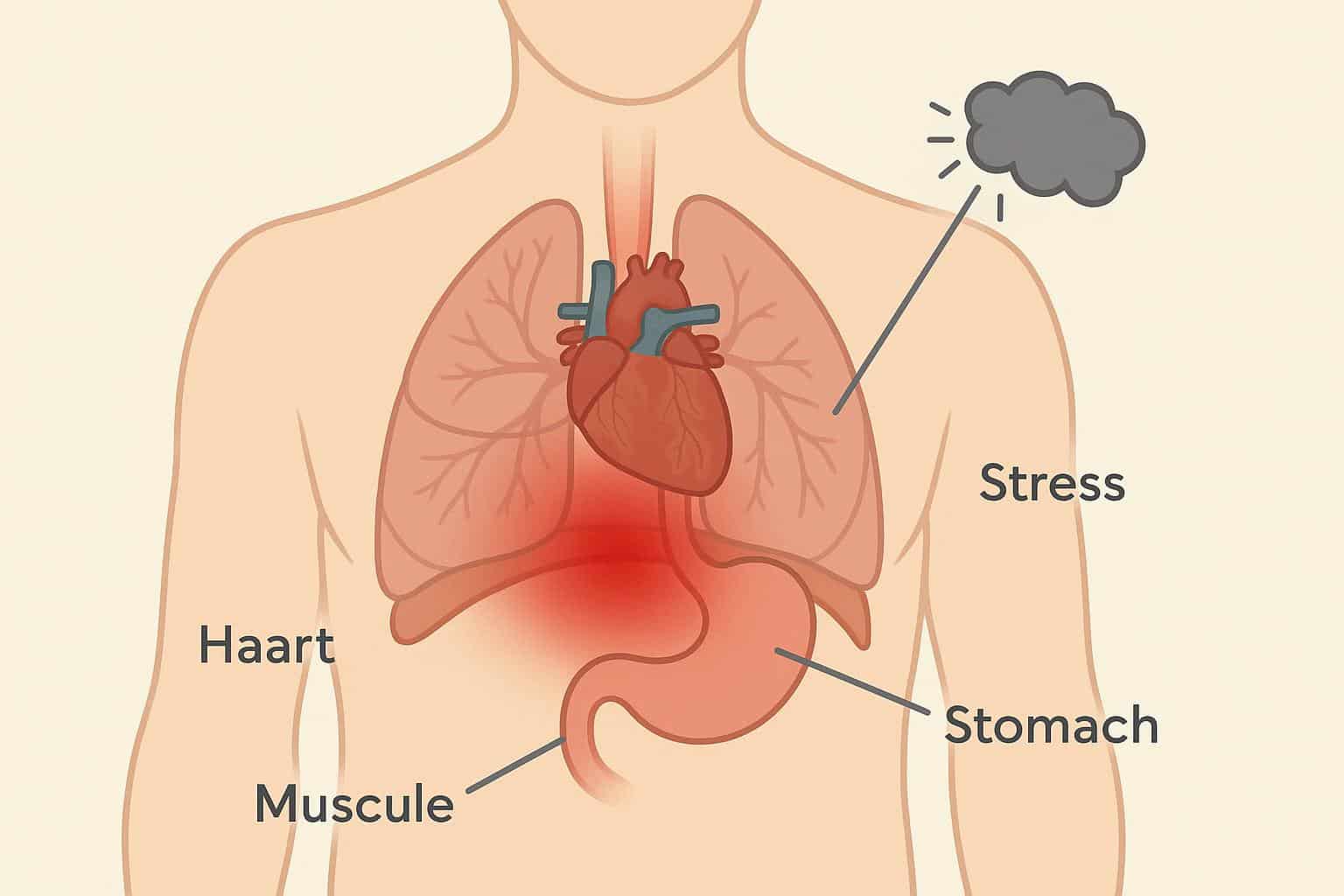
Chest tightness can arise from several systems in the body, including the heart, lungs, digestive system, muscles, and stress. Understanding the underlying cause is key to proper management and treatment.
Heart-Related Causes
Reduced blood flow to the heart (angina) can cause chest pressure, often during exertion or stress. A heart attack may produce severe pressure, shortness of breath, sweating, and dizziness. These symptoms require prompt medical evaluation.
Lung-Related Causes
Lung conditions can cause chest tightness and breathing difficulty. Asthma may lead to wheezing, while infections like pneumonia cause discomfort, cough, and fever. A pulmonary embolism can trigger sudden, severe tightness, rapid heartbeat, and shortness of breath, requiring emergency care.
Digestive Causes
Digestive issues such as acid reflux or GERD can mimic heart-related tightness, often accompanied by a burning sensation in the chest. Esophageal spasms can also cause sudden, squeezing chest pain that may last several minutes, making it important to differentiate digestive causes from cardiac issues.
Muscle and Skeletal Causes
Muscle strain or overuse of the chest muscles can result in tenderness and localized tightness, which may worsen with movement. Costochondritis, an inflammation of the cartilage connecting the ribs to the sternum, can produce a persistent pressure-like sensation that may feel similar to heart or lung discomfort.
Anxiety and Stress
Emotional factors like panic attacks can trigger sudden chest tightness along with rapid heartbeat, shortness of breath, and a sense of impending doom. Chronic stress may also cause ongoing muscle tension in the chest, creating a persistent feeling of constriction that is non-cardiac but still uncomfortable.
Management and Treatment
Treatment depends on the underlying cause of the chest tightness:
- Heart-Related: Immediate medical attention is crucial. Doctors may prescribe medications, lifestyle changes, or procedures to improve blood flow.
- Lung-Related: Inhalers for asthma, antibiotics for infections, or anticoagulants for pulmonary embolism may be necessary.
- Digestive Causes: Antacids, acid reducers, and dietary adjustments can relieve reflux-related tightness.
- Muscle and Skeletal Causes: Rest, anti-inflammatory medications, stretching, and physical therapy often help.
- Anxiety or Stress: Breathing exercises, relaxation techniques, counseling, and in some cases, medications can reduce symptoms.
Regardless of cause, maintaining a healthy lifestyle, including regular exercise, a balanced diet, and stress management, can prevent recurrence.
When to Seek Emergency Care?
Seek emergency care if chest tightness is accompanied by:
- Severe or sudden pain
- Shortness of breath
- Pain radiating to the arm, jaw, or back
- Nausea, sweating, or dizziness
- Rapid or irregular heartbeat
Even mild or recurrent chest tightness should be evaluated by a healthcare provider to rule out serious conditions and ensure proper management.

