


Deleting files from an external hard drive can feel more serious than losing something from a laptop desktop. External drives usually hold backups, photo libraries, archived projects, or entire folders moved off a primary machine to save space. The good news is that deletion is often not the end of the story. In many cases, the data is still there until it gets overwritten, which is why the first and most important step is to stop using the drive right away.
A lot of recovery failures happen not because the files were impossible to restore, but because people keep working from the same device after data loss. Copying a few videos back onto the disk, moving folders around, or trying random “fixes” can overwrite the very files you are trying to save. If the drive is still physically healthy, patience usually matters more than speed in the first few minutes.
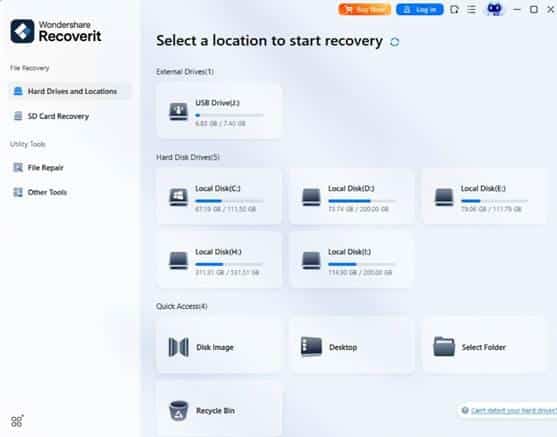
Before turning to recovery software, it is worth checking whether the missing files already exist somewhere safer. Some users forget that File History, cloud sync folders, or secondary backup tools may have a copy. If nothing turns up there, the next step is to use a guided workflow instead of experimenting blindly. A detailed page on recover deleted files from an external hard drive is useful here because it walks through the recovery order clearly and helps users avoid the common mistake of restoring files back to the same device.
This is also where dedicated hard drive recovery tools become more practical than built-in system checks. With deleted data, the goal is not to “repair” the drive first. It is to scan it, see what remains recoverable, and move those files to another location. That approach is both safer and easier to explain in editorial content, which is why it works especially well in guest posts aimed at readers who want a realistic solution rather than a hard sell.
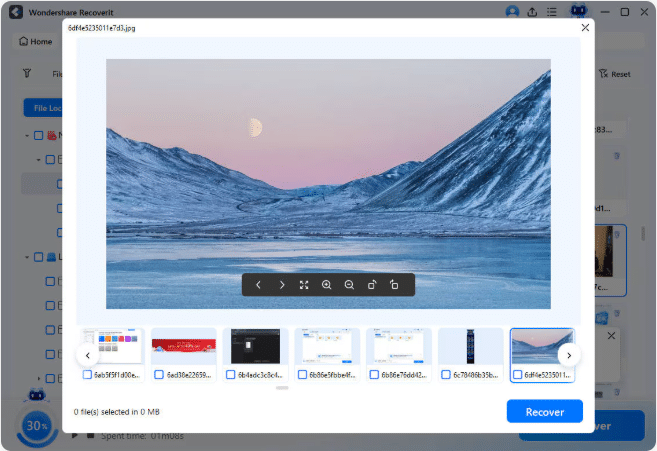
If you need a product mention that feels natural, Wondershare Recoverit fits best at this stage rather than at the top of the article. The pitch is simple: connect the drive, let the software scan it, preview the missing files, and recover what you need to a different storage device. That recommendation feels helpful because it appears only after the article has already covered safe first steps.
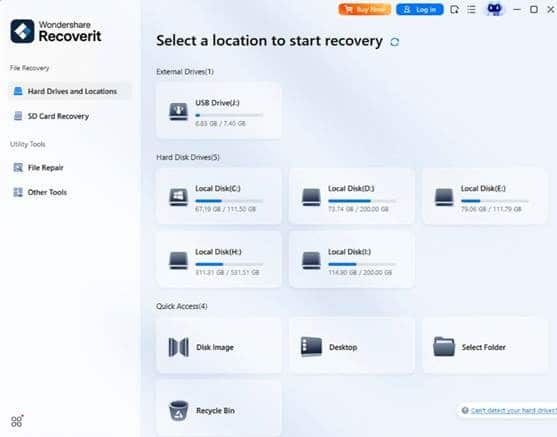
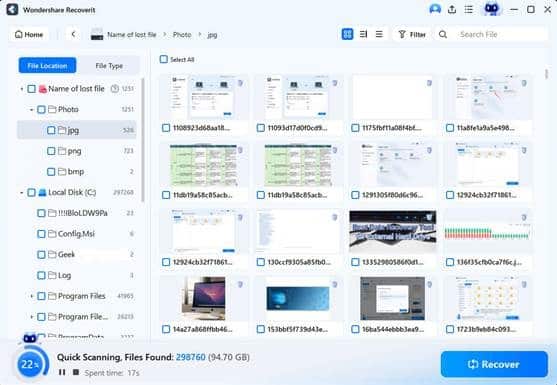
Guide: A simple Recoverit workflow starts by selecting the affected external drive, then running a full scan instead of stopping at the first few results. Once the scan is finished, users can filter by file type or path, preview the items that matter, and export them elsewhere. That last detail matters: saving recovered files back to the same external drive can reduce recovery quality or create fresh overwriting problems.
For most readers, that balance is what makes a guest post more convincing. It does not promise miracles, and it does not pretend every case is the same. It simply shows that deleted external-drive data is often recoverable if users stop using the disk, check obvious backup sources, and move to a careful scan-and-restore workflow when needed.

