


Modern home cleaning isn’t just about removing visible dirt; it’s about maintaining cleaner air, reducing allergens, and making upkeep quick enough to fit into a busy routine. Today’s cordless vacuum cleaners deliver strong performance on hard floors, carpets, tiles, and upholstery, without the need to search for an outlet or wrestle with trailing cords.
Cordless models have become the preferred choice for many households because they combine portability with suction power that often rivals or even matches that of traditional plug‑in vacuums. When designed well, they handle quick touch‑ups, deep‑clean sessions, and everyday messes with minimal effort.
- Cordless vs. traditional vacuums: What really gives?
- Freedom of movement and convenience
- Power and performance in 2026
- Top cordless vacuum considerations for modern homes
- Floor type and typical messes
- Pet owners and allergy concerns
- Spotlight on key cordless models (2026)
- A versatile, budget‑friendly performer
- High‑performance cleaning for larger spaces
- Smart docks and low‑maintenance cleaning
- Comparing leading cordless vacuums in 2026
- General comparison overview
- What each type excels at
- Common questions about cordless vacuums
- Which model suits most homes?
- Are cordless vacuums good for daily use?
- How important is suction power?
- Maintaining your cordless vacuum for long‑term use
- Basic maintenance routine
- Battery and storage tips
- Final thoughts on choosing a cordless vacuum
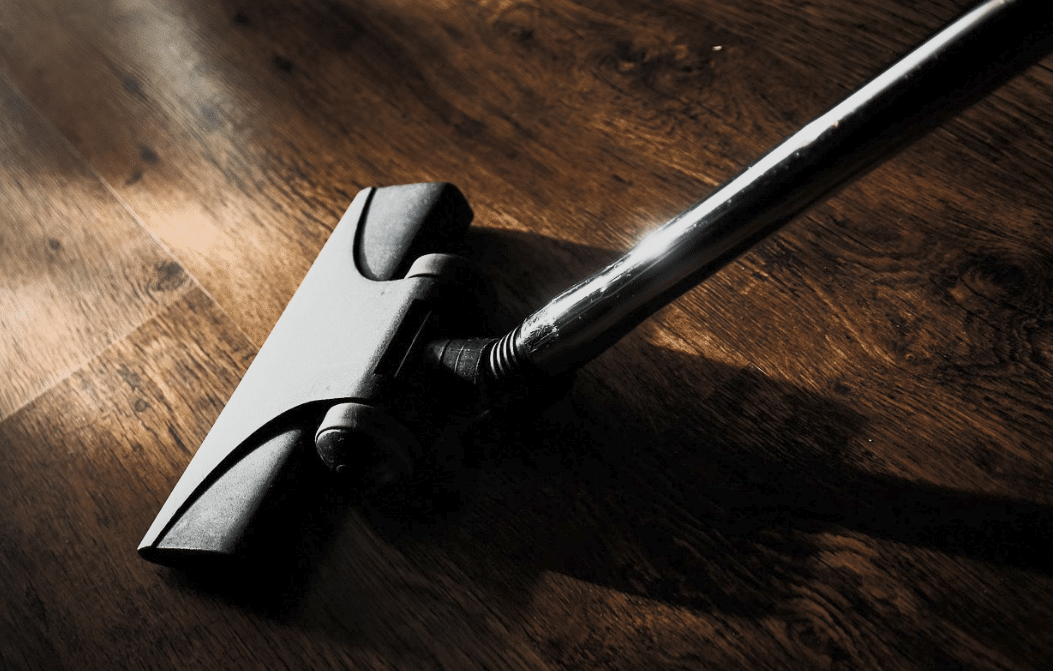
Cordless vs. traditional vacuums: What really gives?
Freedom of movement and convenience
Best cordless vacuum cleaner score high on flexibility. They let you move from room to room, clean staircases, and reach under furniture without hunting for power outlets or untangling long cords. This makes them ideal for quick cleanups and for homes where storage space is limited.
Modern cordless units also tend to be lighter and more compact, which reduces physical strain during use. For people who clean multiple rooms in one session—or who need to clean vehicles, stairs, and tight corners—this type of freedom is a noticeable upgrade.
Power and performance in 2026
Many high‑end cordless vacuums now deliver airflow and suction strength comparable to or better than older plug‑in models. Strong motors, improved battery technology, and intelligent power‑management systems allow these machines to maintain high suction for longer runs, even on thick carpets or heavily soiled areas.
In addition, features such as automatic suction adjustment, LED‑lit nozzles, and sensor‑based dust detection help optimize cleaning without constant manual input. As a result, cordless vacuums are no longer just “convenient backups”—they can serve as a primary cleaning tool for many homes.
Top cordless vacuum considerations for modern homes
Floor type and typical messes
Different floor surfaces demand different cleaning approaches. Hard floors show dust and fine particles clearly, while carpets can trap deeper‑set dirt and pet hair. A good vacuum should switch smoothly between these surfaces without losing performance.
If a household deals with frequent spills, crumbs, or pet fur, it helps to choose a model with strong suction, wide‑coverage main heads, and easy‑to‑empty dustbins. Having a variety of attachments (for upholstery, crevices, and stairs) also improves versatility.
Pet owners and allergy concerns
For homes with pets, vacuums that handle hair well and capture fine dust, dander, and allergens are especially important. Features such as anti‑tangle brush rolls, sealed‑path filtration systems, and HEPA‑style filters help reduce what gets blown back into the air.
Some models also use microscopic‑dust sensors or laser‑style detection to reveal particles that are hard to see, making it easier to clean thoroughly in high‑traffic areas.
Spotlight on key cordless models (2026)
A versatile, budget‑friendly performer
A strong mid‑range cordless vacuum offers robust suction without a premium price tag. In 2026, one such model features around 180AW of suction power, which is sufficient for everyday dust, crumbs, and light pet hair on hard floors, tiles, and low‑pile carpets.
This type of vacuum is lightweight and easy to carry, making it suitable for apartments and medium‑sized homes. It often includes a set of attachments for furniture, vehicles, and tight spaces, which adds to its practical value for first‑time buyers and renters.
High‑performance cleaning for larger spaces
For larger homes or environments where deep‑clean sessions are common, a higher‑end cordless vacuum can make a noticeable difference. A model designed for deep‑clean tasks may offer significantly stronger suction, on the order of several hundred AW, along with advanced dust‑detection and sensor‑guided power adjustment.
Such a unit typically performs well on thick carpets and upholstery, effectively lifting embedded dirt and best cordless vacuum for pet hair. It can also feature anti‑tangle brush systems that reduce the need for frequent manual cleaning of the roller.
Smart docks and low‑maintenance cleaning
Some premium cordless vacuums come with a self‑cleaning docking station that automatically empties the dustbin and cleans the brush roll. This reduces direct contact with debris and cuts down on routine maintenance, which is helpful for busy households or people who prefer minimal physical involvement in upkeep.
A smart dock can also handle charging automatically, so the vacuum is ready to use without manual plug‑ins. Over time, this combination of automation and strong suction can change how often and how easily people clean their homes.
Comparing leading cordless vacuums in 2026
Below is a simplified comparison of several cordless vacuum models that are commonly discussed by home buyers in 2026. The focus is on suction strength, battery life, smart features, pet‑hair handling, and overall value.
General comparison overview
| Feature | Model A (mid‑range) | Model B (smart dock) | Model C (high‑end) | Brand D Classic | Brand E Compact |
|---|---|---|---|---|---|
| Best suited for | Small–medium homes | Busy households | Large homes, pets | Premium buyers | Small spaces |
| Suction power (approx.) | 180AW | 175AW | 280AW | 230AW | 150AW |
| Battery life (eco mode) | 105 minutes | 65 minutes | 70 minutes | 60 minutes | 50 minutes |
| Smart features | Basic dust‑sensing | Auto‑power, self‑clean | Advanced dust‑sensing, self‑clean | Laser‑dust mode | Basic dust‑sensing |
| Anti‑tangle brush | Yes | Yes | Advanced type | Limited | No |
| Self‑cleaning dock | No | Yes | Yes | No | No |
| Typical price range | Mid‑priced | Mid‑to‑high | High | Premium | Budget‑friendly |
What each type excels at
- Mid‑range units balance affordability and performance, making them suitable for apartments and medium‑sized homes. They are easy to maneuver and handle everyday messes well.
- Smart‑dock models appeal to people who want hands‑free maintenance and strong cleaning without frequent manual intervention.
- High‑end deep‑clean units are built for larger spaces, heavy pet traffic, and homes where deep‑clean cycles are frequent.
Common questions about cordless vacuums
Which model suits most homes?
Many households find that a mid‑range, lightweight cordless vacuum covers the basics effectively. If the home is larger or has pets, a higher‑end model with stronger suction and enhanced dust‑ and hair‑handling features is usually the better fit.
Are cordless vacuums good for daily use?
Yes. Their quick startup, easy handling, and fast‑change attachments make cordless vacuums ideal for daily touch‑ups. They are especially useful for crumbs, light dust, and quick passes over carpets and hard floors.
How important is suction power?
Suction is crucial for deep cleaning, but it matters most when paired with good airflow design and strong filtration. A very high number on the spec sheet alone does not guarantee performance; brush‑roll design, seal quality, and filter efficiency also play a big role.
Maintaining your cordless vacuum for long‑term use
Basic maintenance routine
Regular upkeep helps keep a cordless vacuum running at its best. This usually includes:
- Emptying the dustbin or bin after each use or when it reaches the recommended level.
- Cleaning or rinsing the filter every one to two weeks, depending on usage.
- Checking the brush roll for tangled hair, string, or debris and removing any blockages.
If the vacuum has a self‑cleaning dock, the system can handle much of the brush‑roll and dust‑bin cleaning automatically, which reduces the need for manual intervention.
Battery and storage tips
To extend battery life, store the vacuum in a cool, dry place and avoid leaving it fully depleted for long periods. Recharging it before the battery drops to extremely low levels helps maintain its capacity over time. Also, keeping attachments and nozzles organized prevents loss or damage.
Final thoughts on choosing a cordless vacuum
When selecting a cordless vacuum in 2026, it helps to balance performance, features, and price. A mid‑range model is often a practical starting point for smaller or medium‑sized homes, while a high‑end unit is better if the home is large, has pets, or requires frequent deep‑clean sessions.
Models with smart features, strong suction, and low‑maintenance design can make daily cleaning faster and less physically demanding. For many households, this combination of convenience, power, and long‑term reliability makes cordless vacuums a worthwhile investment in home comfort and cleanliness.

