


Waymo has switched on public robotaxi service in four new markets — Dallas, Houston, San Antonio, and Orlando — bringing its autonomous ride-hailing footprint to ten U.S. cities. The expansion marks one of the fastest step-changes yet for the Alphabet-owned company, signaling that its driverless business is moving from city-by-city pilots to a bona fide multi-market network.
As in earlier launches, access will roll out in phases. Riders who download the Waymo app may receive invitations first, followed by a steady widening to anyone in the service zones. The company says each new city will start with dozens of vehicles and scale as rider demand builds, a measured approach designed to keep supply in step with real-world usage.
- Where Waymo Is Operating Across the United States
- How the Rollout Works for New Waymo Robotaxi Cities
- Scale and Utilization Trends Across Waymo’s Network
- Safety Scrutiny and Operations Under Rising Oversight
- Business Context and Competition in Autonomous Rides
- What Comes Next for Waymo’s Expanding Robotaxi Network
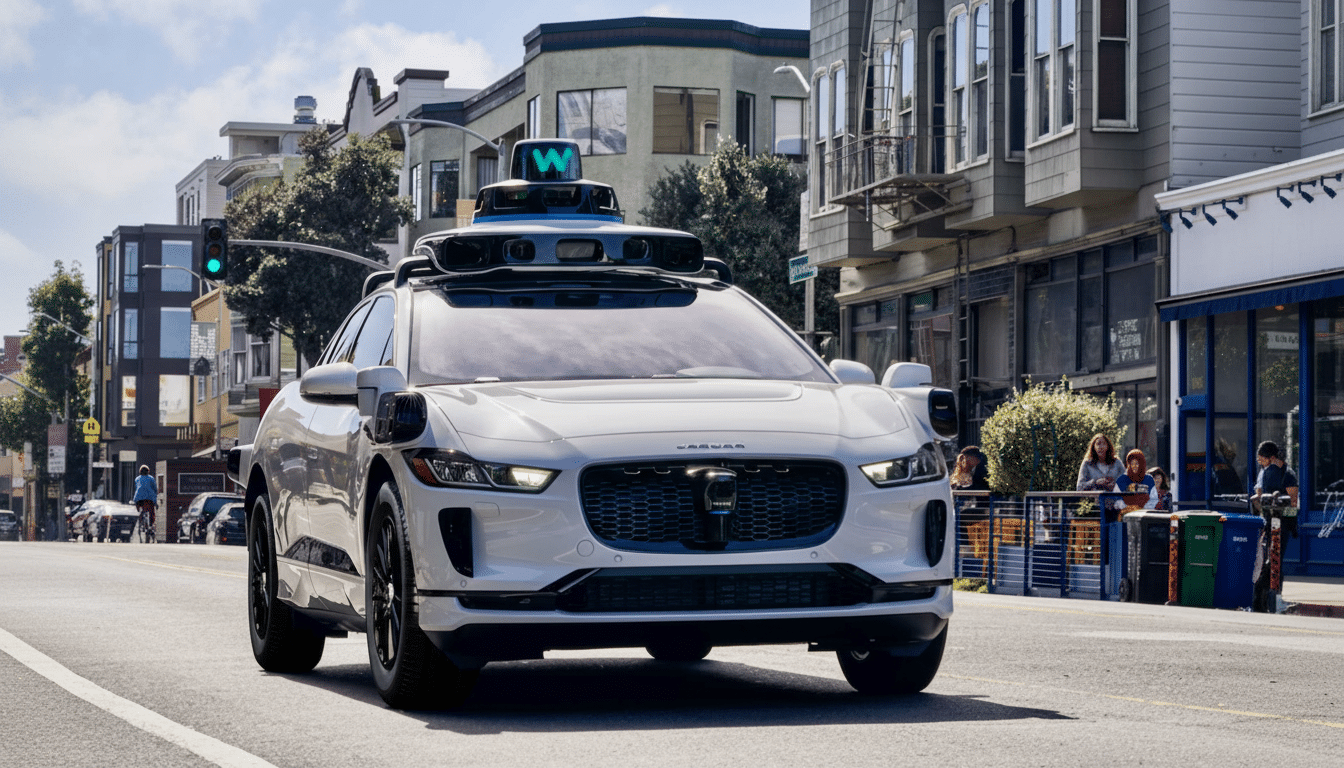
Where Waymo Is Operating Across the United States
With the additions, Waymo’s U.S. service now spans Phoenix and its suburbs, the San Francisco Bay Area, Los Angeles, Miami, Austin, Atlanta, and the new markets of Dallas, Houston, San Antonio, and Orlando. Service areas differ by city, but the company has steadily widened its footprints, added access to multiple airports, and begun operating on freeways in several markets.
One visible example is Northern California, where coverage has stretched along the Highway 101 corridor down to San Jose. The effect is tangible: riders can link major job centers, nightlife districts, and airports without a human driver, and the network effect grows as adjoining neighborhoods are stitched together.
How the Rollout Works for New Waymo Robotaxi Cities
New city launches follow a familiar sequence. After an early-access phase through the Waymo app, service opens more broadly with incremental increases in hours, zones, and pickup points. Waymo spokesperson Chris Bonelli says the company will “scale up in coordination with riders,” a nod to balancing vehicle availability, demand peaks, and operational learnings.
Behind the scenes, a specialized team known as remote assistance workers supports vehicles when they encounter unusual scenarios — think complex construction detours or temporary road closures. Waymo has disclosed employing about 70 of these staffers, who provide information to vehicles but do not drive them, an important distinction in the safety and regulatory conversation.
Scale and Utilization Trends Across Waymo’s Network
Waymo’s capacity and rider volume have been climbing quickly. Alphabet CEO Sundar Pichai said the service was providing more than 200,000 rides per week last year; Waymo’s most recent public update put that figure above 400,000 per week, and executives suggest the current run rate is higher. Co-CEO Tekedra Mawakana has set a near-term goal of crossing one million weekly rides, underscoring how critical utilization is to the business model.
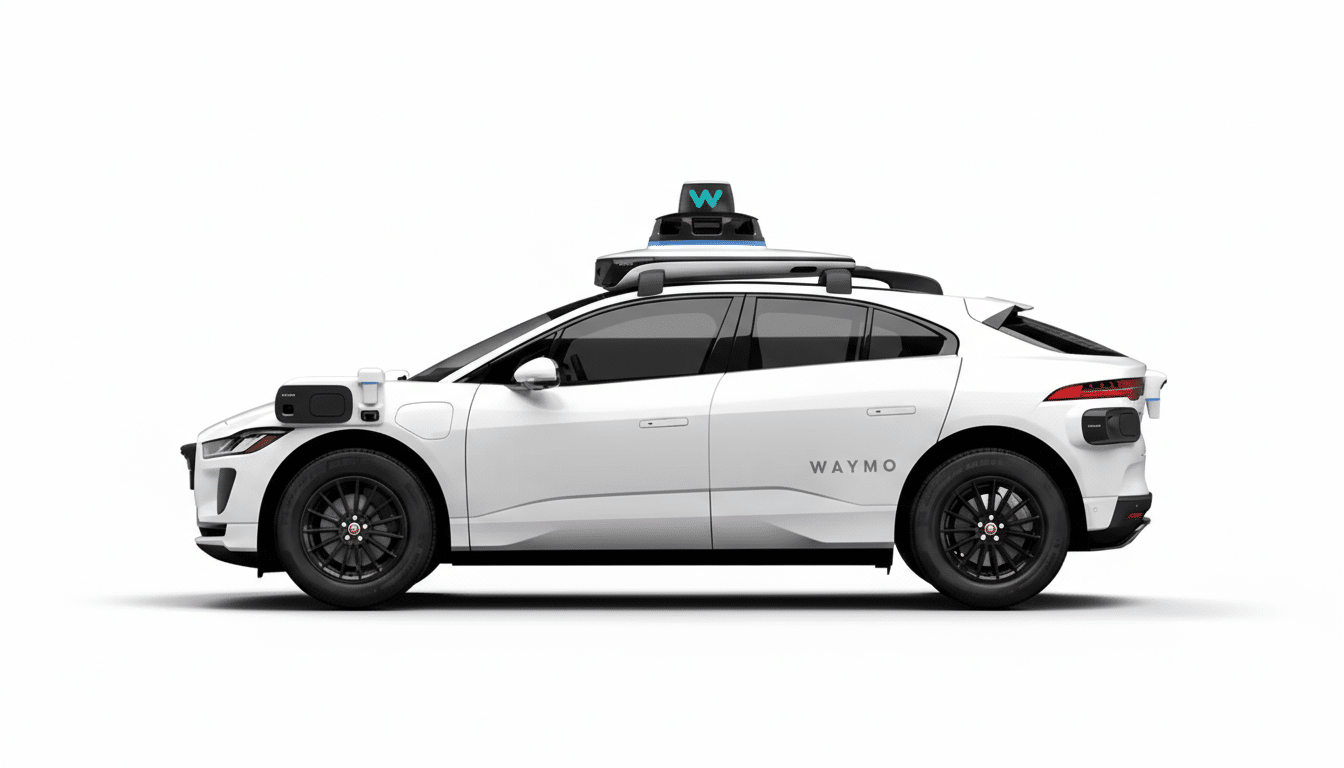
The company operates a fleet of roughly 3,000 robotaxis across its existing markets. Initial deployments in new cities will be modest, then grow with demand, expanded service hours, and route complexity. Partnerships also help fill seats: in Atlanta and Austin, for instance, riders can match with Waymo vehicles through a ride-hailing partner, a tactic that taps into established customer bases while smoothing peak loads.
Safety Scrutiny and Operations Under Rising Oversight
Waymo’s expansion arrives as safety regulators intensify oversight of autonomous vehicles. The National Highway Traffic Safety Administration opened an investigation after a Waymo vehicle struck a child at low speed near a school, and the National Transportation Safety Board is examining robotaxi behavior around school buses. These inquiries center on rare but critical edge cases — precisely the situations where remote assistance, detailed mapping, and policy tweaks come into play.
Waymo’s safety posture blends high-fidelity sensor suites, simulation-hardened driving policies, and live operational support. The company’s stance is that larger, contiguous service areas and consistent operating rules improve safety over time by exposing the system to a wide distribution of real-world events, which then feed back into software updates across the fleet.
Business Context and Competition in Autonomous Rides
The latest push is backed by fresh capital: Waymo recently raised $16 billion in a round led by Dragoneer Investment Group, DST Global, and Sequoia Capital, valuing the company at about $126 billion. Revenue today is a mix of direct app bookings and platform partnerships; profitability will hinge on sustained ride density, high vehicle uptime, and careful cost control as fleets grow.
Rival autonomous programs have faced fits and starts amid regulatory reviews and public trust challenges. Waymo’s response has been to expand gradually, deepen coverage in existing cities, and publish steady operational updates — an approach designed to show reliability at scale rather than splashy one-off demos.
What Comes Next for Waymo’s Expanding Robotaxi Network
Waymo says more launches are planned, including Denver and Washington, D.C., and even a first step outside the U.S. in London. Internally, the company is preparing for service in more than 20 cities, suggesting a pipeline of mapped domains, regulatory work, and depot build-outs already in motion.
The ten-city milestone is more than a number. It reflects a network strategy where contiguous coverage, airport access, and freeway competence combine to make autonomous rides a practical choice for daily trips. The metrics to watch now: how quickly coverage expands within each city, how many airports and major venues come online, and whether incident rates stay low as the ride count climbs.
