


If writing is part of your daily routine, whether for work, school, or even just messages and emails, it is worth making it easier on yourself. You do not need to overthink every sentence or second guess your tone. Having the right support in the background can make a noticeable difference. That is where Grammarly comes in. If you want your writing to feel clearer and more natural without spending extra time on it, this is a good place to start.
Most people do not struggle with ideas. The challenge usually comes when trying to put those ideas into words. You type something out, read it back, and it does not sound quite right. Maybe it feels too formal, too casual, or just slightly off. Grammarly helps bridge that gap by offering suggestions that guide you without taking over your voice. It is less about correcting mistakes and more about helping your writing feel like you intended.
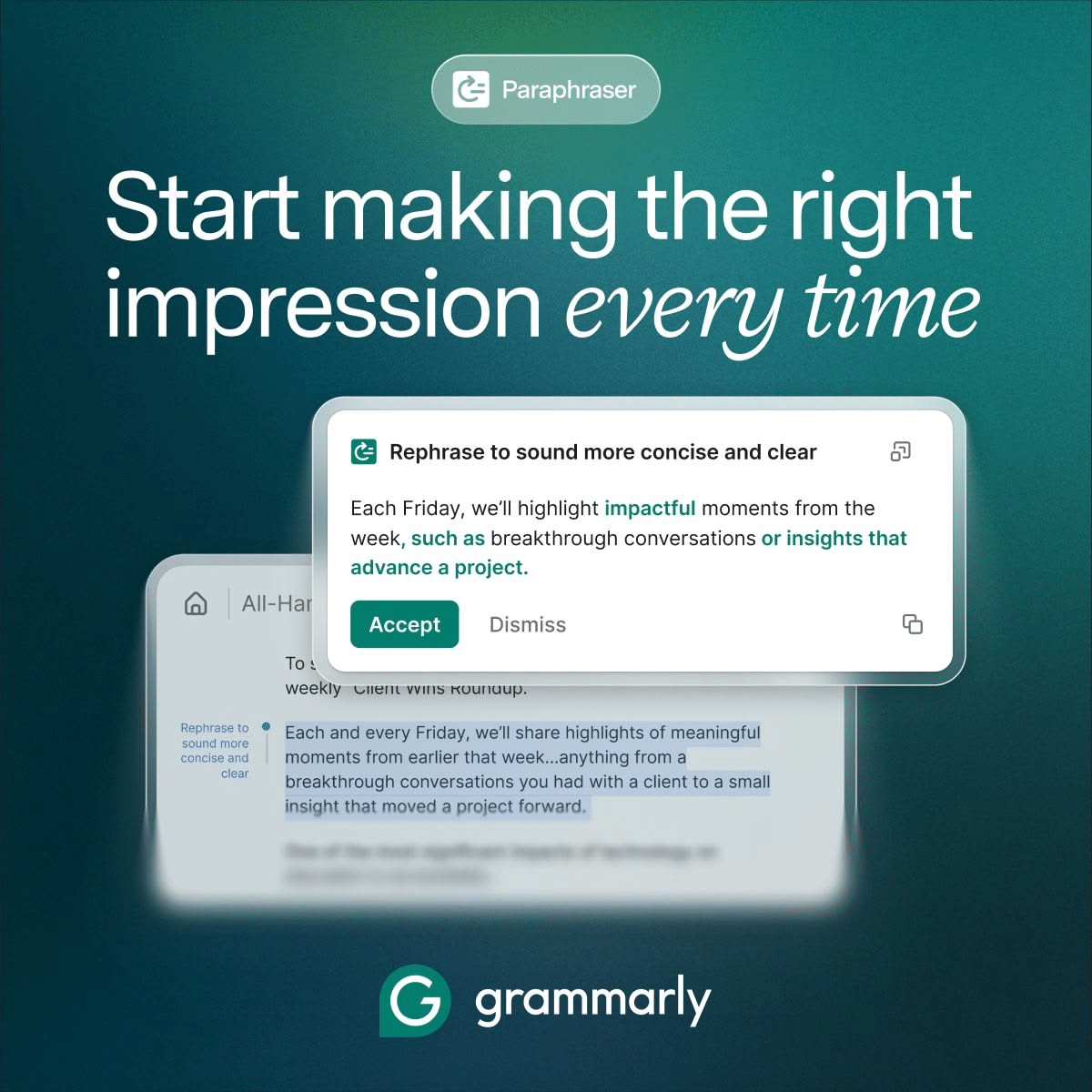
Over time, small adjustments can change the way you approach writing altogether. Instead of hesitating before sending a message or publishing something, you start to feel more confident in what you have written. Grammarly supports that shift in a way that feels natural. It works quietly in the background, allowing you to stay focused on what you want to say rather than how to fix it later.
There is also something reassuring about having a second layer of review that is always available. Even strong writers miss things, especially when they are moving quickly. Grammarly catches those details, from simple grammar issues to tone and clarity, without interrupting your flow. It becomes part of your process rather than an extra step you have to remember.
What makes Grammarly especially useful is how it fits into different kinds of writing. Whether you are drafting emails, working on reports, or updating content online, the experience stays consistent. You do not need to adjust your workflow or learn something new each time. Grammarly adapts to how you already work, which makes it easier to stick with.
At the same time, it does not feel overwhelming. You are not flooded with unnecessary suggestions or forced to follow strict rules. Grammarly gives you options, and you decide what works. That balance is what makes it feel more like support rather than correction.
Another benefit you start to notice is how much smoother writing feels when you are not constantly stopping to fix things. Instead of typing a sentence, deleting half of it, and rewriting it again, you just keep going. You get your thoughts down first, and adjust along the way. That shift is subtle, but it changes the pace completely. With Grammarly running in the background, you are not as focused on catching every small mistake, which makes it easier to stay in that flow.
It usually shows up in small, everyday moments. You are replying to an email and realize you did not reread it three times before hitting send. Or you finish writing something and it already feels close to what you wanted to say. Over time, those moments build confidence without you actively trying to improve. That is where Grammarly becomes more than just a tool—it starts to feel like part of how you write.
You also begin to notice patterns in your own writing. Maybe you tend to overcomplicate sentences, or repeat the same phrasing without realizing it. Seeing those small suggestions again and again makes it easier to adjust naturally. Instead of learning rules, you start recognizing what feels clear and what does not. Grammarly helps guide that process without making it feel like you are being corrected.
That becomes especially useful in situations where tone matters more than expected. A message can be technically correct but still come across the wrong way. When you are writing quickly, it is easy to miss that. Having something like Grammarly there to nudge things in the right direction makes those adjustments feel simple instead of stressful.
After a while, you spend less time second guessing and more time just writing. You are not trying to make everything perfect before moving on. You write, make a few quick adjustments, and send. That change in rhythm is usually what makes writing feel easier again, especially if it used to feel like something you had to overthink.
If you have been trying to improve your writing but are not sure where to start, it does not have to be complicated. You do not need a new system or a completely different approach. Sometimes, it is just about adding the right kind of support. Grammarly fits into what you are already doing and helps you refine it in a way that feels manageable.

If you are ready to make writing feel less like a task and more like something you can rely on, now is a good time to try Grammarly. Start using it in your everyday work and see how small improvements can lead to better, more confident communication over time.

