


Ultrahuman has unveiled a redesigned Ring Pro that promises up to 15 days of battery life and a slate of hardware upgrades, but its US debut remains on hold amid a patent dispute with Oura. The company says it has submitted the new design to US Customs and Border Protection for clearance; if approved, the smart ring is expected to retail for $479 in the US. Preorders in other markets are slated to ship in early March, according to the company.
Battery Endurance Takes Center Stage With 15-Day Claim
The headline figure is endurance: up to 15 days on a single charge, a leap for a category where most rings manage under a week in typical use. Ultrahuman pairs the ring with a charging case that can top up the device for a claimed 45 additional days, and the system supports both Qi wireless pads and USB-C for flexibility.
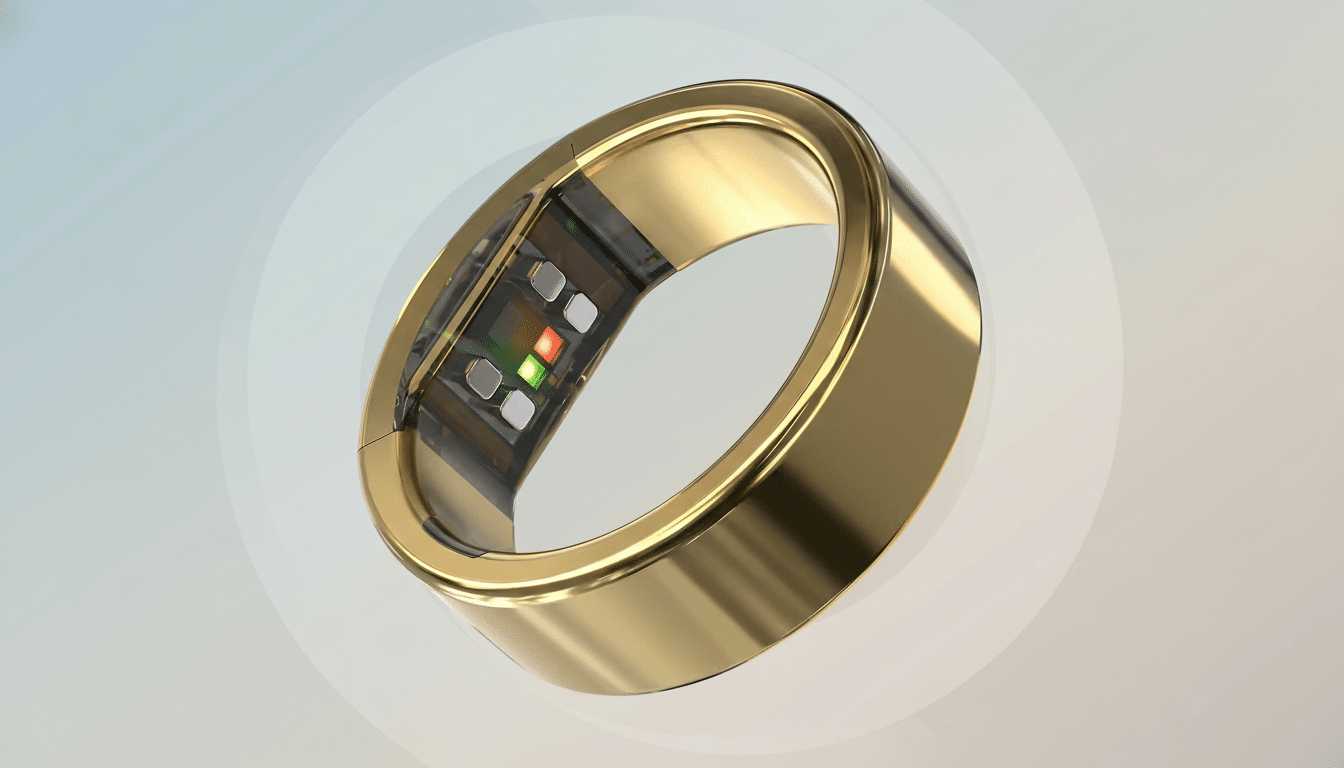
Under the hood, a new dual-core processor and revised power management are designed to sustain continuous heart-rate monitoring, recovery metrics, and sleep tracking without daily charging anxiety. For travelers and minimalists, onboard storage now holds up to 250 days of health data before syncing, so gaps in connectivity won’t orphan measurements.
Ultrahuman also reworked its optical heart-rate module, an area where algorithmic tuning and sensor placement can dramatically affect accuracy during workouts. A new safety touch, called Pro Release, allows the ring to be cut more easily by responders if a finger swells after injury—an edge case, but a thoughtful one for athletes and first responders.
Patent Fight Stalls US Launch Pending Customs Ruling
The US delay stems from an ongoing intellectual property clash with Oura, the best-known brand in smart rings. Oura has actively enforced its patents in the category, and Ultrahuman says it redesigned the Ring Pro to avoid the issues raised in litigation. CEO Mohit Kumar told TechCrunch that the revised model has been submitted to US Customs and Border Protection for clearance, a procedural step that can determine whether redesigned products may be imported without infringing.
Customs reviews like this don’t set a new standard for the tech itself, but they can dictate timelines. Until clearance arrives, Ultrahuman isn’t selling the Ring Pro in the US. Elsewhere, the device will ship in black, gold, silver, or titanium finishes across sizes 5 through 14.
How It Stacks Up On Specs, Battery Life, And Price
At a projected $479 in the US, the Ring Pro would sit at the top end of the smart ring market. The company is betting that battery life, expanded storage, and upgraded sensing will justify the premium. For context, the Oura Ring typically lasts around 4–7 days per charge depending on features in use, while wrist-based trackers like Whoop usually land in the 4–5-day range. Smartwatches with richer displays, such as Apple Watch models, still mostly measure battery life in hours rather than days.

Endurance is more than a convenience metric: longer gaps between charges reduce missed sleep and recovery data, which can skew readiness scores. That consistency is increasingly important as wearables move from step-count novelties to tools that nudge training load, recovery timing, and even bedtime routines. Market researchers at firms like IDC and Counterpoint have noted steady growth for health-centric wearables, with sensors and battery life ranking high in purchase drivers.
Jade AI Aims For Actionable Coaching And Insights
Alongside the hardware, Ultrahuman is rolling out Jade, a conversational AI layer that translates raw metrics into recommendations. The company describes it as “real-time biointelligence,” capable of answering questions like how recent bloodwork might relate to sleep quality or recovery trends. Jade will be available to all Ultrahuman users, including those on older rings and in the US, regardless of the Ring Pro’s import status.
AI guidance is becoming table stakes, but execution matters. The most useful systems tie context—workouts, sleep debt, illness flags—to clear suggestions, while acknowledging that wearables aren’t medical devices. Expect the competitive bar to rise quickly as rivals iterate on daily readiness scores, strain metrics, and nutrition or hydration prompts.
What To Watch Next As Ultrahuman Pursues US Approval
The near-term hinge is the US Customs decision. Clearance would open the door to a formal stateside launch at $479 and bring fresh battery-life pressure to competitors. A negative finding would likely force further design changes or a longer wait for American buyers, even as international customers start receiving units in the coming weeks.
Either way, the Ring Pro’s 15-day claim resets expectations for smart rings. If Ultrahuman pairs that stamina with dependable sensor accuracy and genuinely useful AI coaching, the company will have turned a legal detour into an opportunity to redefine the category’s benchmarks.
