


Trump’s travel ban has hit twelve countries on the list, all under the national security flag. The impact is immediate and disruptive.
“Companies are suddenly juggling new compliance headaches while families and entire communities face canceled plans and staffing chaos. Operations are thrown off, and HR teams are basically reworking schedules on the fly,” says Georgia immigration lawyer Zaira Solano of Solano Immigration Law Firm.
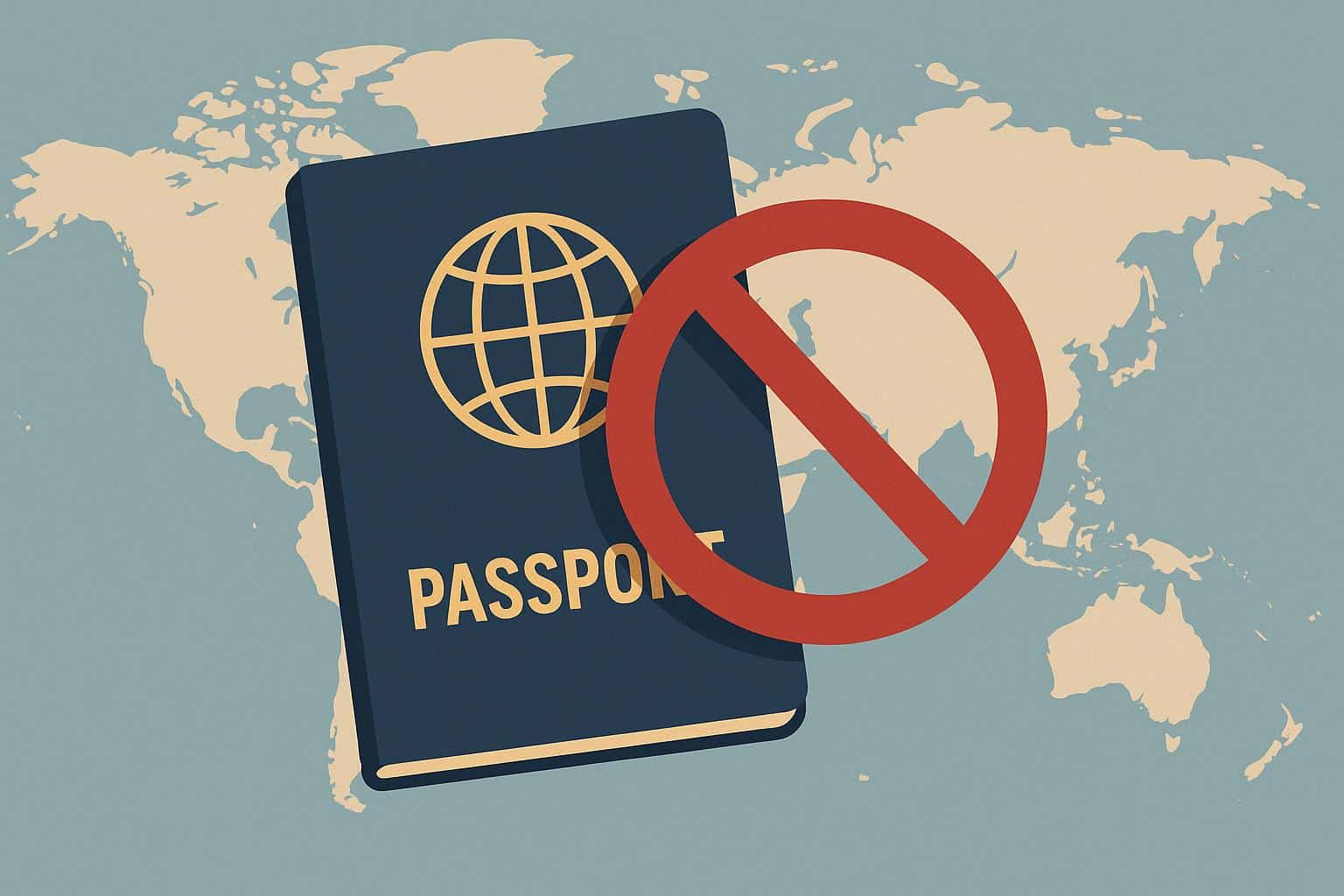
Visa processing has nearly come to a halt in several sectors. Local officials and business leaders are not keeping quiet either; they are already calling for a measured response and a thorough review of the policy’s impact.
Affected Countries
The affected nations are Afghanistan, Myanmar (also known as Burma), Chad, the Republic of the Congo, Equatorial Guinea, Eritrea, Haiti, Iran, Libya, Somalia, Sudan, and Yemen. For most citizens from these countries, U.S. entry is now off the table.
The administration’s rationale? These countries fall short of proper identity verification or do not share enough security intel for adequate screening. Additionally, the U.S. is tightening certain visa categories for seven more countries, including Cuba and Venezuela.
While the official line emphasizes plugging security gaps and boosting international cooperation, criticism is mounting. Many business groups and advocacy organizations argue that the policy disproportionately affects vulnerable populations, often people already navigating crisis situations back home.
Backlash Against New Travel Ban
The travel ban has disrupted a lot of lives, separating families, of course, causing missed milestones, and disrupting visa applications. Community leaders are calling it “inhumane,” and it definitely hurts people seeking to flee danger or difficult economic conditions.
According to the leaders, immigrant communities are really afraid, particularly mixed-status families who are in danger of deportation or having their applications held up.
Opponents argue that this entire strategy is overly broad and amounts to a knee-jerk reaction, suggesting that we can address security concerns by engaging with foreign governments without disproportionately affecting thousands of people.
Exceptions To the Travel Ban
Although this travel ban is major, it still allows some people through. Green card holders and dual citizens whose countries are on the list can still pass if one of their passports is from a country not on the list. There are also certain Afghan nationals on special visas due to arrangements made by America previously.
Travelers holding valid visas issued before the policy’s implementation are not impacted, at least temporarily; however, new visa applications face significant hurdles unless applicants meet the strict exemption criteria outlined in this controversial measure.
What Triggered the Travel Ban
The Trump administration has cited national security concerns as the driving force behind the travel ban. Officials claimed that certain foreign governments failed to meet U.S. requirements for identity verification, background checks, and visa oversight, resulting in critical gaps in the screening processes.
A recent violent incident in Colorado further fueled discussions about tightening immigration policies. While unrelated countries were implicated in that specific act, it reignited fears about potential threats tied to insufficient vetting systems globally.
This policy is framed as a preemptive measure aimed at safeguarding U.S. borders against emerging risks from abroad, though critics question its fairness and necessity.
Beyond the Travel Ban
The travel ban is just one piece of Trump’s broader immigration agenda. The other piece is intensified deportations across the U.S. Protests have erupted nationwide as communities rally to shield undocumented immigrants from ICE raids.
What began in California quickly has spread to other states, with demonstrators forming human barriers and clashing with agents. These confrontations often turn tense and occasionally violent, reflecting a deeply divided nation.
While supporters argue these measures uphold national laws, critics point to social unrest as proof of growing public resistance to policies they view as heavy-handed and unjust.
Navigating Immigration Challenges with Legal Support
When facing immigration issues, working with an experienced immigration lawyer can make all the difference. These professionals assist in filing visa applications, defending against deportation, and understanding legal rights.
Select a lawyer who is proficient in your specific situation and verify their credibility by checking client reviews. Many offer free consultations to evaluate cases before commitment, providing clarity during uncertain times and increasing chances of successful outcomes amidst policy challenges.
