


Tomodachi Life Living the Dream is the rare life sim that nails the five-minute fix and the 45-minute unwind, turning everyday check-ins into a reliable laugh track. It trades spreadsheets and stress for spontaneity, serving up surreal comedy through Miis that talk, mingle, and misbehave with minimal babysitting. If you want a daily dose of joy on Nintendo Switch, this is engineered to deliver.
Why It Works in Short Bursts on Nintendo Switch
Most sessions unfold like sitcom cold opens: you pop in, solve a handful of tiny problems — a new outfit here, a budding friendship there — then sit back as the island spins up fresh skits. It’s low friction by design. There are goals and levels, but they’re seasoning, not the main course. The humor lands quickly, the rewards arrive steadily, and you never feel chained to meters or timers.
- Why It Works in Short Bursts on Nintendo Switch
- The Secret Sauce Is the Voice and Its Deadpan Delivery
- A Sandbox Built for Absurdity and Spontaneous Humor
- Designed for Sharing but With Caveats and Limitations
- How It Compares to Sims Staples and Cozy Life Games
- Early Verdict: Daily Laughs Secured for Switch Owners
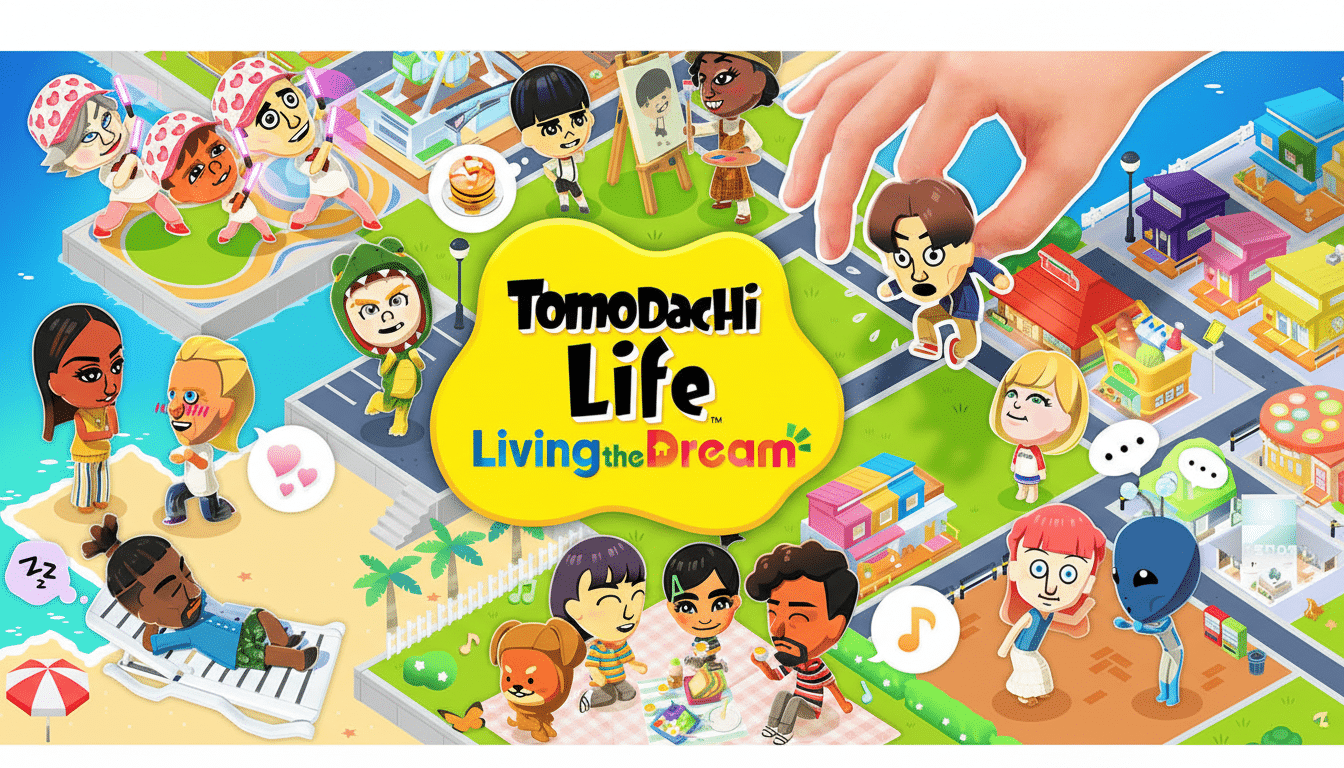
Crucially, Living the Dream invites you to observe more than optimize. That rhythm is a clever fit for Switch’s pick-up-and-play culture, which, per Nintendo’s investor reports, now spans an installed base north of 140 million systems worldwide. With that many handhelds in backpacks and living rooms, a snackable sim with instant payoff has room to thrive.
The Secret Sauce Is the Voice and Its Deadpan Delivery
The game’s comic engine is its gloriously robotic text-to-speech. Each Mii speaks aloud in a synthetic cadence you can tune for pitch and speed, never crossing into uncanny realism — and that’s the point. Mundane lines become deadpan absurdity; heartfelt confessions, even funnier. It’s meme-ready timing that doesn’t require punchline writing from the player.
Combine that with Nintendo’s grab bag of skits — bowling where your residents pose as pins, impromptu debates about fads, earnest attempts at matchmaking — and you get a stream of vignettes that rarely repeats the same way twice. The result feels less like a sandbox and more like a sketch show starring your friend group and pop-culture doppelgängers.
A Sandbox Built for Absurdity and Spontaneous Humor
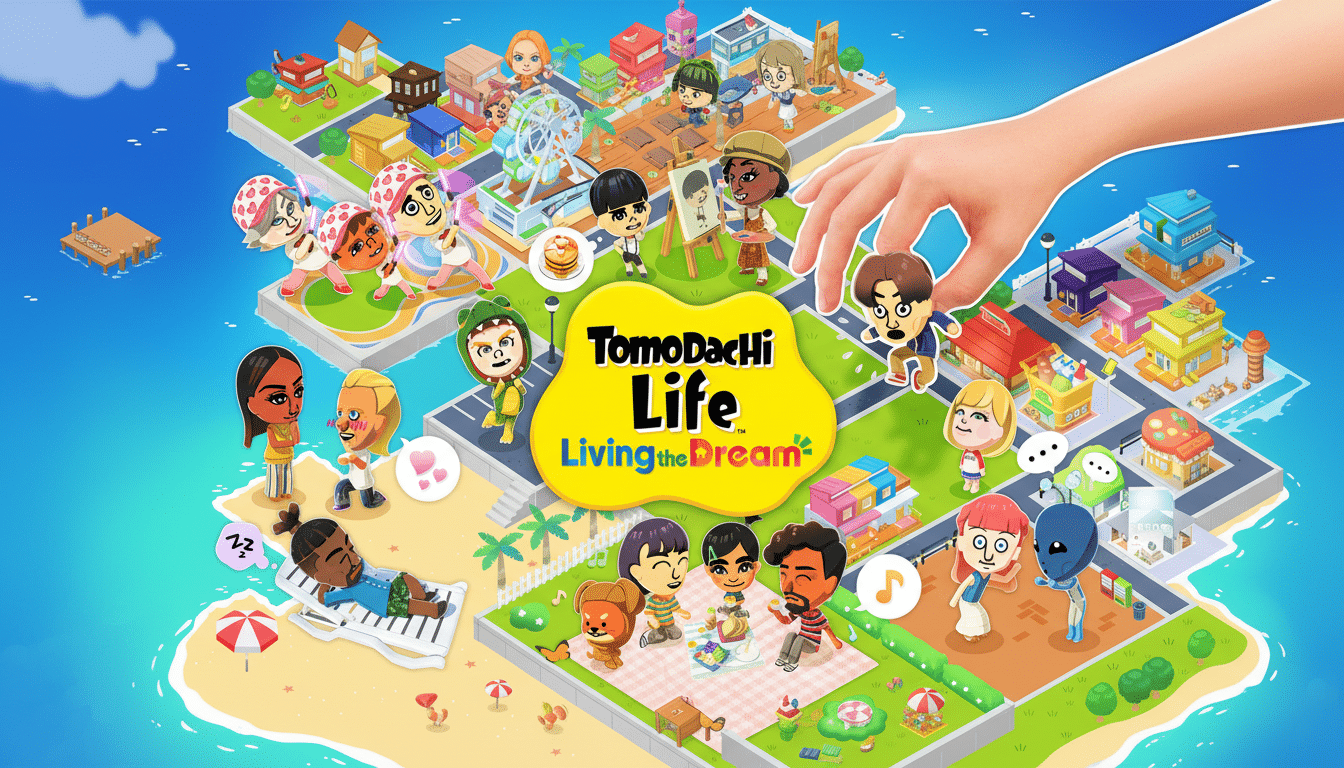
Mii creation goes deeper than nostalgia suggests. Beyond the expanded cosmetic toolkit, you can tune personalities with granular sliders to nudge behavior, relationships, and social tics. The magic arrives when almost-right Miis meet: a blue hedgehog lookalike chatting earnestly with a towering, blue-haired matriarch is instantly funnier than any perfect replica.
Importantly, inclusivity isn’t an afterthought. Living the Dream allows non-binary identities, flexible pronouns, and relationship options across genders. That’s a meaningful step forward from the 3DS-era entry, which drew criticism for restricting romantic pairings; Nintendo publicly acknowledged that controversy at the time. Here, the social fabric is wider, and the jokes don’t rely on exclusion.
Designed for Sharing but With Caveats and Limitations
Living the Dream seems built for short-form clips, and history shows how far that can go. Animal Crossing: New Horizons became a cultural touchstone in part because delightful oddities were trivial to post across feeds. Industry analysts at Circana have repeatedly linked social virality to sustained engagement for cozy sims and community-led titles.
That’s why Nintendo’s tighter in-system sharing limits stand out. You can capture moments, but moving them off the console isn’t as seamless as the standard share flow. The safety rationale is understandable, yet the friction may blunt the game’s meme velocity. Streamlined exporting or in-app clip trimming would turn more funny beats into discoverable trends.
How It Compares to Sims Staples and Cozy Life Games
Where The Sims rewards intricate micromanagement and Animal Crossing cultivates long-haul town building, Tomodachi Life thrives on emergent comedy with minimal overhead. Think of it as a virtual improv troupe rather than a dollhouse or a garden. You curate cast and vibes, then let the scripts write themselves. For players who bounce off busywork but crave personality, this fills a clear gap.
The original Tomodachi Life on 3DS quietly became a multi-million seller and a cult favorite because of that formula. Living the Dream modernizes it without losing the nonsense that made it sticky. It’s a reminder that “sandbox” can mean laughter as progression, not just bigger inventories and longer checklists.
Early Verdict: Daily Laughs Secured for Switch Owners
After extended hands-on time, the pitch is clear and compelling: build a cast, drop in daily, and let the weirdness work. The humor is immediate, the sessions are breezy, and the tools are flexible enough to keep the island’s social chemistry bubbling. If you want a dependable mood lift that respects your time, Tomodachi Life Living the Dream is already living up to its name.

