


Apple’s neXt unveiling just got a tantalizing tease. Tim Cook posted a brief video on X signaling an “Apple Launch,” hinting at a week of announcements culminating in a curated “special experience” across multiple cities. It’s classic Apple misdirection with purpose: set expectations, seed speculation, and dominate the tech conversation.
What Cook’s Tease Signals About Apple’s Rollout Plans
Cook’s six-second clip—showing fingers interacting with a glowing Apple logo—suggests more than a routine product drop. Apple has increasingly favored staggered rollouts and hands-on showcases over single marquee keynotes. Bloomberg’s Mark Gurman has outlined a cadence of announcements spread over several days, and Cook’s post appears to reinforce that playbook.
- What Cook’s Tease Signals About Apple’s Rollout Plans
- The Products in Play for Apple’s Upcoming Announcements
- Why a Touchscreen Mac Would Matter for Apple’s Lineup
- A Lower-Cost MacBook Could Reshape the Market
- How Apple Might Stage the Rollout Across Multiple Cities
- Bottom Line on Apple’s Teased Multi‑City Special Event
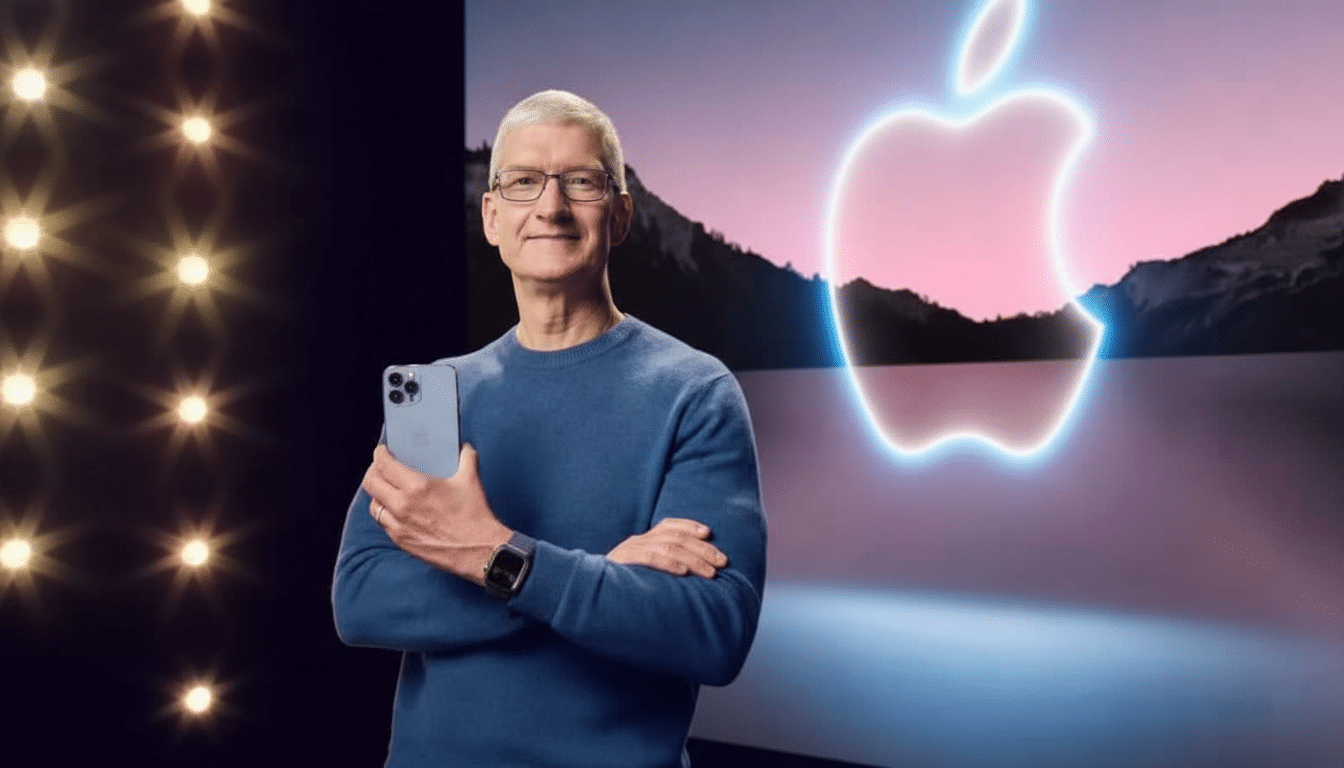
Apple also confirmed that the upcoming experience won’t be confined to its Silicon Valley campus. Instead, it’s planning localized showcases in London, New York, and Shanghai. That multi-city approach typically means two things: immediate hands-on impressions and a strong push to shape the narrative with controlled demos.
The Products in Play for Apple’s Upcoming Announcements
While Apple hasn’t named names, supply chain chatter and industry reporting point to three likely categories. First, a refreshed iPad Air, which would help re-energize a line that historically swings between education buyers and creative pros. Second, an entry iPhone variant—rumored under the “iPhone 17e” branding—targeting price-sensitive upgraders and switchers. Third, new MacBooks spanning a more affordable model and a higher-end MacBook Pro powered by the next wave of Apple silicon.
The Mac rumors are the most provocative. Reports have floated both a value-focused MacBook aimed at students and first-time Mac users, and a performance MacBook Pro built around an M5 Pro-class chip. Apple typically times silicon advances to anchor design updates, ecosystem features, and battery efficiency gains, so watch for messaging that connects new chips to practical wins like cooler thermals and longer unplugged work sessions.
Why a Touchscreen Mac Would Matter for Apple’s Lineup
Cook’s video—fingers seemingly “pressing” an illuminated logo—has reignited the perennial touchscreen Mac debate. Apple for years argued that iPad is the right touch-first device and Mac is for precision input. Yet the ground has shifted. Bloomberg reported that Apple has explored touch-capable MacBook Pros, and panel analysts at Display Supply Chain Consultants have tracked Apple’s steady move toward OLED displays in laptops—often a precursor to more touch-friendly designs.
Meanwhile, Windows notebooks have treated touch as table stakes for years, especially in premium and 2‑in‑1 categories. If Apple introduces even limited touch support—think scrolling, pinch‑to‑zoom, or annotation in select apps—it would unlock workflows long embraced on the PC side while preserving the Mac’s trackpad‑centric precision. macOS changes in recent cycles, from larger touch targets in Control Center to pervasive gestures in creative apps, make that transition less jarring than it once seemed.

A Lower-Cost MacBook Could Reshape the Market
A genuinely more affordable MacBook could be the sleeper headline. IDC and Gartner data show the broader PC market stabilizing after a volatile period, and Apple historically sits in the high‑single‑digit share range by shipments. A lower entry price—paired with Apple silicon’s battery life and performance—would put pressure on premium Chromebooks and midrange Windows ultrabooks, especially in education and small business.
Apple also plays a long game: hardware margins are only part of the equation when Services revenue keeps setting records. A larger Mac installed base means more iCloud, Apple Music, and AppleCare attachment. The company has previously disclosed an installed base exceeding 2.2 billion active devices, and every new Mac widens the funnel for that recurring ecosystem revenue.
How Apple Might Stage the Rollout Across Multiple Cities
Expect a drumbeat. Apple often kicks off with press releases and short videos, then follows with controlled demos at invite‑only sessions. Multi-city “experiences” typically prioritize immediate media reactions and social clips that explain features in human terms. Watchers will also keep an eye on regulatory databases such as the Eurasian Economic Commission, which have historically tipped upcoming model numbers shortly before launches.
If Apple is planning a breadth of updates, it may segment them: iPad for education and creators; Mac for performance and portability; iPhone for value seekers. That approach maximizes reach while letting each product tell its own story.
Bottom Line on Apple’s Teased Multi‑City Special Event
Cook’s teaser isn’t just sizzle—it’s a signal. A week of reveals capped by hands‑on experiences suggests Apple has multiple levers to pull, from iPad and iPhone refreshes to potentially the most consequential Mac move in years. Whether it’s a touch‑aware Mac, a more accessible MacBook, or a new silicon chapter, the message is clear: Apple wants to set the agenda across price tiers and form factors—and it plans to show, not just tell.
