


Confidence at home often depends on how easily everyday activities can be completed without strain or uncertainty. As mobility, balance, or strength gradually change with age, small environmental barriers can start to affect comfort and independence. Fortunately, improving safety and accessibility does not always require major renovations, as simple home adjustments can reduce risks and make daily routines easier to manage while helping seniors move around their homes with greater stability and reassurance.
Installing Grab Rails Where Support Is Needed
Installing grab rails is one of the simplest and most effective changes for improving confidence at home. Rails placed beside toilets, inside showers, along hallways, or next to beds provide reliable support when standing, sitting, or shifting weight. These secure handholds help stabilise movement and reduce the fear of slipping or losing balance.
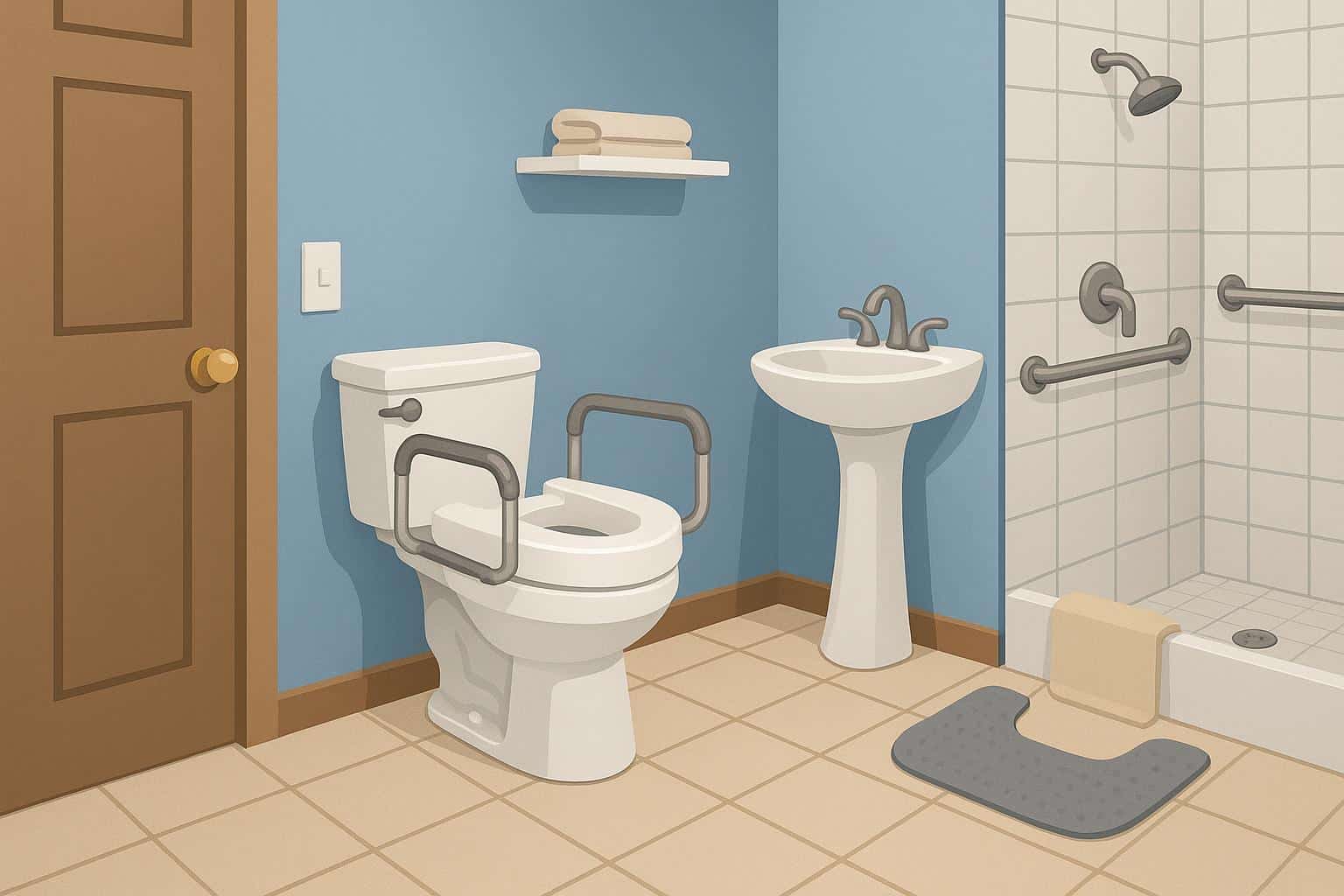
Many households complement these modifications with practical aids designed to support daily independence. Solutions designed for safe mobility, including Safety & Mobility independent living and care support products, help strengthen these safety measures while maintaining comfort in everyday routines.
Improving Lighting In Key Walking Areas
Good lighting is essential for maintaining confidence when moving through the home. Dim hallways, staircases, and entryways can make it harder to notice obstacles or floor level changes, especially as eyesight naturally declines with age.
Installing brighter bulbs, adding motion-sensor lighting, or placing night lights along commonly used paths improves visibility throughout the home. Better lighting supports visual perception, the brain’s ability to interpret visual signals, making it easier for seniors to navigate spaces safely.
Removing Everyday Trip Hazards
Even small floor hazards can quickly disrupt balance. Loose rugs, curled carpet edges, electrical cords, or cluttered walkways can increase the likelihood of tripping, particularly for those using walking aids or moving slowly.
Removing these hazards helps create clear and predictable walking paths throughout the home. Securing rugs with non-slip backing and keeping floors free of obstacles allows seniors to move confidently between rooms without worrying about unexpected footing issues.
Adding Non-Slip Surfaces In Wet Areas
Bathrooms, kitchens, and entryways often become slippery due to water or smooth flooring. Without proper grip, these surfaces can increase the risk of sudden slips when stepping out of a shower or walking across damp tiles.
Adding non-slip mats or adhesive strips improves traction on these surfaces. This is supported by a study on fall prevention among older adults, which identifies simple home modifications, including non-slip bathroom surfaces, as effective measures for reducing household fall risks. These small additions provide greater stability in wet areas, making everyday activities like bathing or washing up much safer.
Choosing Chairs That Support Standing And Sitting
The type of seating used around the home can strongly influence confidence when transitioning between sitting and standing. Low or overly soft chairs can make it difficult to rise safely without additional support.
Selecting chairs with firm cushions and sturdy armrests creates stable leverage points when standing up. Supportive seating reduces strain on the hips and knees while allowing seniors to move more comfortably throughout their daily routines.
Creating A Home That Encourages Confidence
Small and thoughtful changes throughout the home can make a meaningful difference in how secure and capable seniors feel in their daily environment. By improving stability, visibility, and accessibility in key areas, homes become easier to navigate and everyday tasks become less physically demanding. These practical adjustments help seniors maintain independence while supporting long-term safety and confidence at home.

