


Weight control depends mainly on complex endocrine and neurological mechanisms rather than on the power of one’s will. When an individual reduces his or her calorie intake through traditional dieting, it is recognized by the body as a serious danger to life. As a result, the hypothalamus changes the secretion profile of important hormones responsible for hunger and satiety, decreases the metabolic rate and increases hunger signals in order to save energy. This natural process is what makes dieting programs fail eventually. Obesity treatment can be only effective if the metabolic processes are directly targeted using an evidence-based clinical approach that involves the help of a doctor and prescription weight loss drugs.
The Biology of Regain: Why Willpower Alone Isn’t Enough
Weight gain has strong physiological origins in that it is facilitated by the survival mechanisms of the body that act directly against voluntary caloric reduction. Leptin is reduced in the bloodstream as body fat decreases, while ghrelin increases, creating a constant flow of hunger messages that reach the brain’s arcuate nucleus. Also, there is a reduction in thyroid hormone production, resulting in lower overall energy expenditure for the day. Such physiological adaptations create an environment where fat storage is favored over fat burning, which is precisely why maintaining weight loss via behavior modification is so challenging.
- The Biology of Regain: Why Willpower Alone Isn’t Enough
- Hormonal Regulation and Metabolic Adaptation Explained
- How Medical Interventions Target Biological Weight Controls
- Comparison Matrix: Lifestyle-Only vs. Doctor-Led Medical Approach
- The Role of Continuous Clinical Supervision
- Key Points to Remember
- Final Thoughts
- Frequently Asked Questions
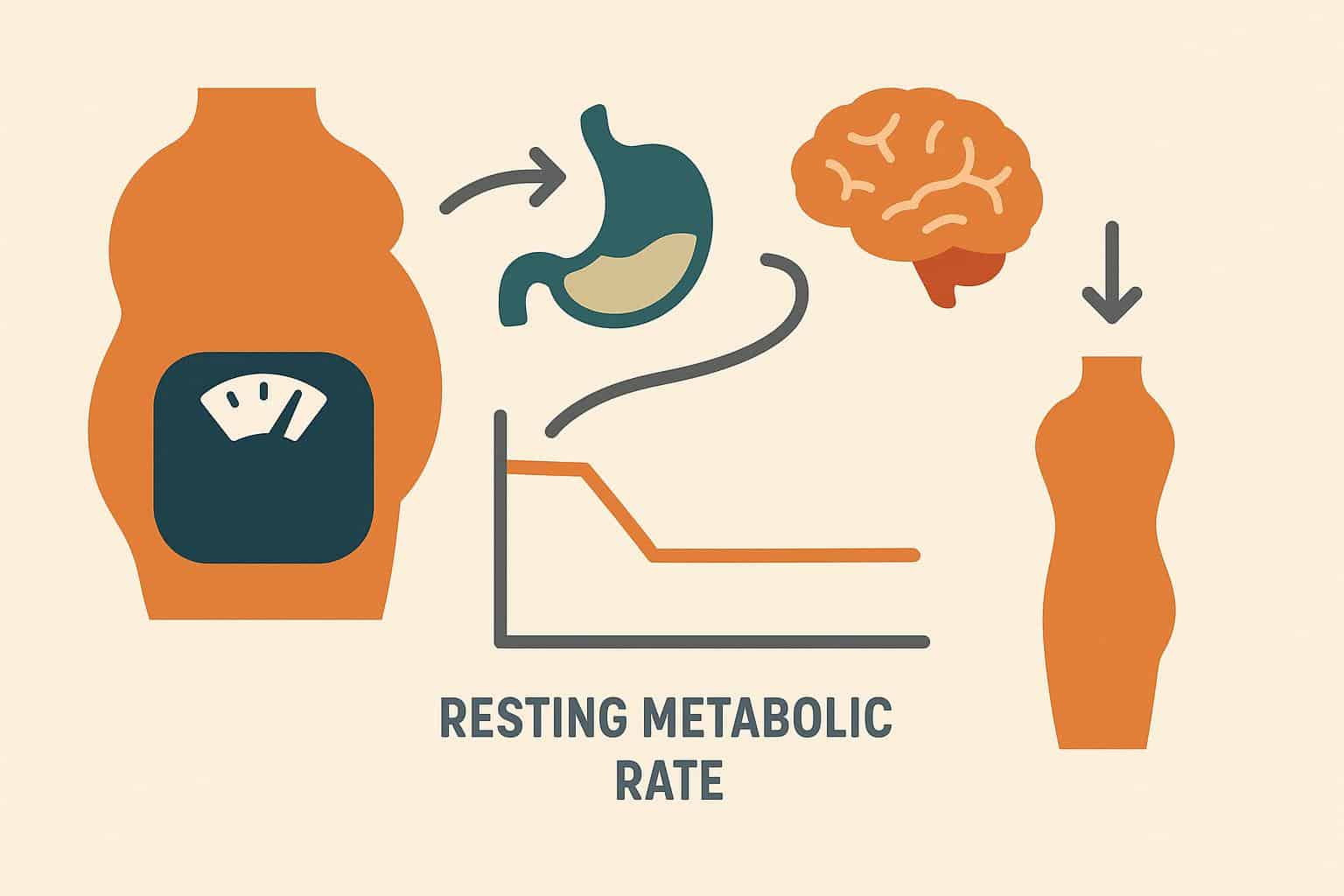
Hormonal Regulation and Metabolic Adaptation Explained
Metabolic adaptation refers to the large drop in resting metabolic rate seen during continued weight loss. Metabolic adaptation is based on a few crucial satiety signaling pathways:
- Changes in Leptin and Ghrelin Levels: Leptin is a hormone synthesized by fat tissue which serves to inform the brain of the presence of adequate energy reserves, whereas ghrelin is a hormone synthesized in the stomach that facilitates feelings of hunger. Weight loss results in the reduction in leptin levels and increase in ghrelin levels..
- Incretins and Gut Peptide Signaling: There are hormonal signals from the gut that control the speed of gastric emptying and satiety. The problem for individuals who have metabolic abnormalities is that the hormones GLP-1 and PYY, for example, are secreted in lower quantities or cleared at a faster rate.
- Therapy for the Adipose Tissue Set-Point Theory: The brain defends the “set point” body weight that resists a fast weight loss by decreasing calorie burn during rest.
How Medical Interventions Target Biological Weight Controls
It is through overcoming the body’s own compensatory defense reactions that clinical interventions achieve their effects, acting upon certain neuroendocrine systems. Contemporary methods of treatment imitate satiety peptides released by the body and activate GLP-1 receptors in the brain stem and hypothalamus.As a consequence, the processes of gastric emptying become slower, the sensation of satiety becomes prolonged after eating, and the reactions of the central nervous system become less pronounced when eating. In turn, this enables the individual to create an energy deficit without causing any strong reaction of his/her metabolism or craving for food.
Comparison Matrix: Lifestyle-Only vs. Doctor-Led Medical Approach
| Evaluation Feature | Lifestyle-Only Approach | Doctor-Led Medical Approach |
|---|---|---|
| Primary Target | Caloric intake and expenditure | Underlying hormonal and metabolic regulation |
| Biological Defense | Triggers elevated ghrelin and reduced leptin | Counteracts hunger signals and delays gastric emptying |
| Basal Metabolic Impact | Causes rapid metabolic adaptation/slowing | Preserves lean mass with structured clinical oversight |
| Patient Retention & Success | Variable due to persistent biological hunger | Sustained through steady pharmacological support |
| Clinical Supervision | None; self-directed trial and error | Ongoing assessment by licensed medical practitioners |
The Role of Continuous Clinical Supervision
Successful weight management requires continuous medical monitoring to ensure the safety, effectiveness, and efficient physiologic functioning of the body. Competent health care professionals will measure initial health parameters, monitor any changes that occur in body composition, and modify the weight loss regimen according to how one reacts to it.The regular follow-ups will assist in managing any side effects that may be caused by the diet plan, maintaining one’s muscle mass, and practicing proper nutrition. This makes the weight loss process a sustainable and controlled one.
Key Points to Remember
- Hunger is Endocrine-Driven: The brain actively defends body weight by adjusting leptin, ghrelin, and thyroid hormone levels whenever calories are restricted.
- Metabolic Adaptation Is Real: Resting metabolic rate naturally drops during weight loss, which makes self-directed maintenance genuinely difficult.
- Clinical Therapies Target Signaling: Medical treatments work by regulating the speed of gastric emptying and the appetite centers within the central nervous system.
- Supervision Enhances Safety: Continuous clinical care keeps metabolic health optimized while protecting functional muscle mass.
Final Thoughts
Considering weight loss management from a biological and metabolic point of view, instead of purely behaviorally, is vital in order for results to be achieved and sustained. As people have evolved to become biologically resistant to losing weight via adaptive thermogenesis and hormonal changes, relying solely on dieting will only result in frustrating and ineffective temporary solutions. Working in conjunction with medical professionals enables people to solve their problems related to the biological causes of fat accumulation. Being enrolled in a medical weight loss program allows people to get proper clinical advice and prescription weight loss treatments needed to ensure metabolic stability and overall well-being. .
Frequently Asked Questions
What leads to metabolic adaptation after weight loss? > Metabolic adaptation occurs due to the body detecting low energy levels and reacting by reducing its resting metabolic rate to save energy. This thermogenic adaptation process starts due to the low leptin levels and thyroid hormone activity changes, which result in a slowed natural calorie burning process to prevent starvation.
How do the medical weight loss options help to manage one’s appetite? > The medical treatment options replicate the body’s gastrointestinal hormones responsible for satiety signaling in the brain. Involvement in specific receptor pathways, they delay gastric emptying and stop the persistent feelings of hunger, thus facilitating adherence to a proper nutrition regimen.
Why is continuous consultation with a doctor important for the medical weight loss program? > It allows keeping the weight loss process safe and personalized. Doctors monitor the metabolism indicators, change the dose, keep lean muscle mass intact, and ensure general health goals are achieved during the whole treatment period.

