


Construction projects have always been complex, with multiple teams, tight deadlines, and massive budgets. One small miscalculation in costs can derail an entire project. That is where advanced digital technologies are making a real difference today.
Why Cost Management Matters in Construction
Managing costs in construction is not just about tracking expenses. It involves forecasting budgets, allocating resources, handling unexpected changes, and keeping projects profitable from start to finish. Traditionally, businesses relying on commercial estimating services depended heavily on manual methods like spreadsheets and paper records. But this approach was slow, error-prone, and often too late to fix mistakes.
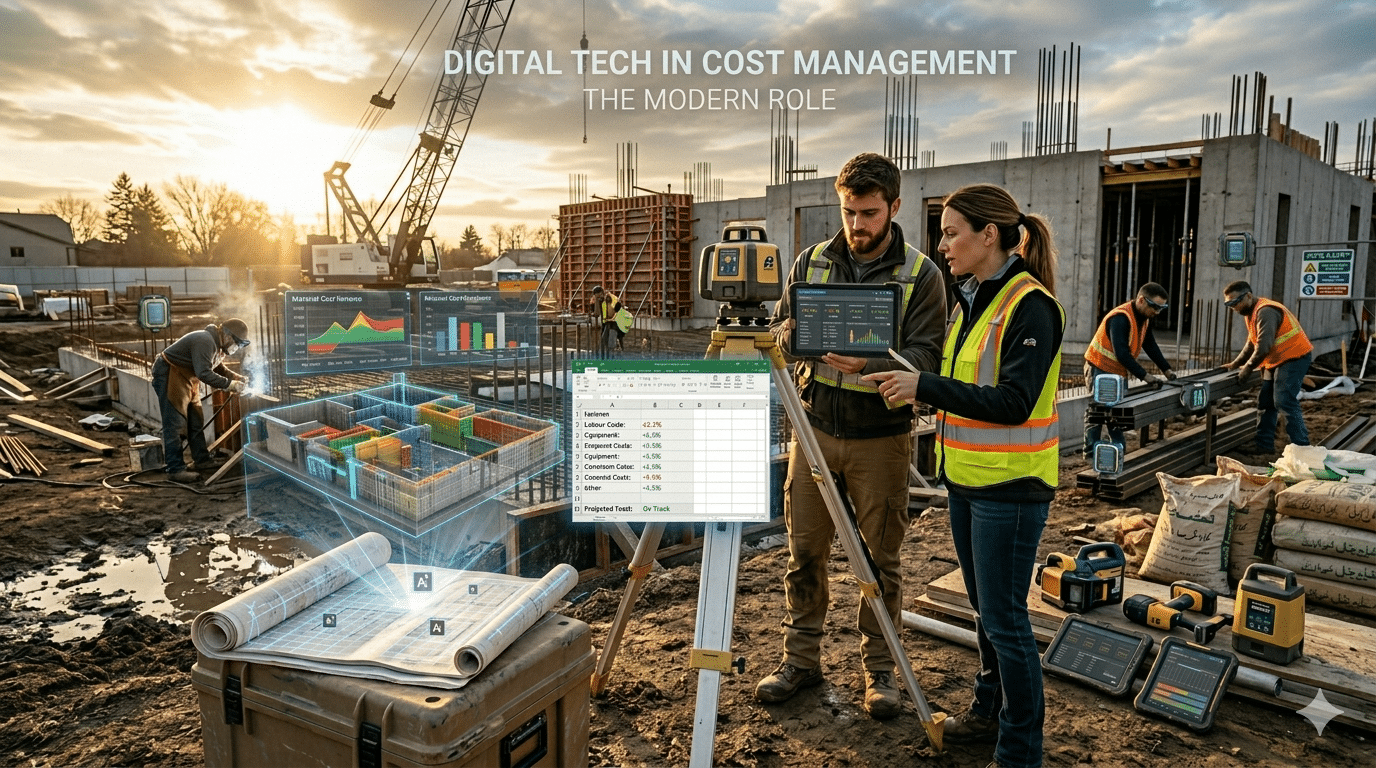
Digital technologies have changed that completely.
Building Information Modeling (BIM)
Building Information Modeling, commonly known as BIM, is one of the most powerful tools in modern construction today. It creates a detailed 3D digital model of a building that contains not just design information but also cost data, timelines, and material quantities.
With BIM, project managers can see potential cost issues before construction even begins. If a design change is made, the cost impact is updated automatically. This saves enormous amounts of time and prevents budget overruns that used to be discovered too late in the process.
AI and Machine Learning in Cost Forecasting
Artificial Intelligence is no longer a future concept in construction. It is being used right now to analyze historical project data and predict future costs with much greater accuracy.
AI tools can look at thousands of past projects and identify patterns that humans would miss. They can flag risks early, suggest cost-saving alternatives, and generate accurate budget estimates in a fraction of the time it used to take. This is especially valuable for large commercial projects where even a 1% cost saving can mean millions of dollars.
Cloud-Based Project Management Platforms
Cloud technology has made it possible for every team member, whether on-site or in an office, to access the same cost data in real time. Platforms like Procore, PlanGrid, and similar tools allow project managers to monitor budgets live, approve expenses instantly, and share financial updates with stakeholders without delays.
This real-time visibility reduces miscommunication between teams, which is one of the biggest causes of budget problems in construction projects.
Drones and IoT for Real-Time Site Monitoring
Drones and Internet of Things (IoT) sensors are now being used on construction sites to monitor progress and material usage in real time. This data feeds directly into cost management systems, giving managers an accurate picture of how resources are being used on the ground.
If materials are being wasted or a certain task is taking longer than planned, the system alerts the team immediately. Early warnings mean early corrections, which keeps costs under control.
Digital Estimating Tools and Their Impact
One of the most significant shifts in cost management has been the adoption of digital estimating tools. These platforms use vast databases of material prices, labor rates, and project benchmarks to generate highly accurate cost estimates quickly. Businesses offering construction estimating services have upgraded their workflows with AI-powered software to deliver faster and more precise results to their clients. This level of accuracy reduces the risk of underbidding or overbidding, which directly affects project profitability.
The Benefits in Simple Terms
When digital technologies are properly used in construction cost management, the results are clear. Projects are completed closer to their original budgets. Teams catch problems earlier. Decision-making becomes faster and based on real data rather than guesswork. And overall, clients get better value for their investment.
Final Thoughts
The construction industry is evolving rapidly. Companies that embrace advanced digital technologies in their cost management processes are gaining a serious competitive advantage. From BIM and AI to cloud platforms and smart site monitoring, these tools are no longer optional extras. They are becoming the new standard for managing construction projects efficiently and profitably.
Staying ahead means staying digital.

