


In the competitive Triangle real estate market—spanning from the historic streets of Durham to the sprawling suburbs of Cary and Raleigh—curb appeal is often what gets buyers through the door. But in North Carolina, it’s what’s under the curb that usually kills the deal.
As any local Realtor will tell you, a “clean” home inspection is the holy grail of a smooth closing. Unfortunately, one issue consistently tops the list of “dealbreakers” for Triangle buyers: poor drainage.
- Why Drainage is a “Red Flag” for Triangle Buyers
- The Triangle Disclosure Trap
- 3 High-ROI Fixes to Make Before Listing
- FAQ
- 1. How can I tell if my yard has a drainage problem before an inspector finds it?
- 2. Will a French drain actually increase my home’s resale value?
- 3. Why is “Carolina Clay” such a big deal for my home’s foundation?
- 4. Can’t I just add more soil to the low spots in my yard?
- 5. How much does a professional drainage assessment cost in the Triangle?
- The Bottom Line
Why Drainage is a “Red Flag” for Triangle Buyers
North Carolina’s geography presents a unique challenge: Carolina Red Clay. Unlike sandy coastal soils, our heavy clay acts like a sponge, holding onto water and expanding when wet. When your property doesn’t have a clear path for runoff, that water finds the path of least resistance—usually your foundation or crawlspace.
During a home inspection, signs of poor drainage act like a siren for buyers. It’s rarely just about a “soggy yard.” To an inspector, standing water suggests:
- Foundation Instability: Saturated clay exerts “hydrostatic pressure” that can crack masonry and bow basement walls.
- Crawlspace Nightmares: Excess moisture leads to wood rot and the dreaded “M-word”—mold.
- Pest Invitations: Termites and mosquitoes thrive in the damp environments created by improper grading.
The Triangle Disclosure Trap
In North Carolina, sellers are required to complete the Residential Property and Owners’ Association Disclosure Statement. This form specifically asks if there are any “problems, malfunctions, or defects with the drainage, grading, or soil stability of the property.”
If you have a known drainage issue and don’t fix it, you have two choices: disclose it and watch your “days on market” climb as buyers flee, or mark “No Representation” and risk the buyer’s inspector finding it anyway during the due diligence period. Once a buyer sees a “negative slope” or “standing water” on an inspection report, they often demand massive price concessions or walk away entirely.
3 High-ROI Fixes to Make Before Listing
The good news? You don’t always need a massive excavation to save your sale. Addressing these three areas can turn a “Dealbreaker” into a “Non-Issue”:
- Correct the Grade: Ensure the soil slopes away from your foundation at a rate of at least 6 inches for every 10 feet. This is often the cheapest way to prevent water from pooling against the house.
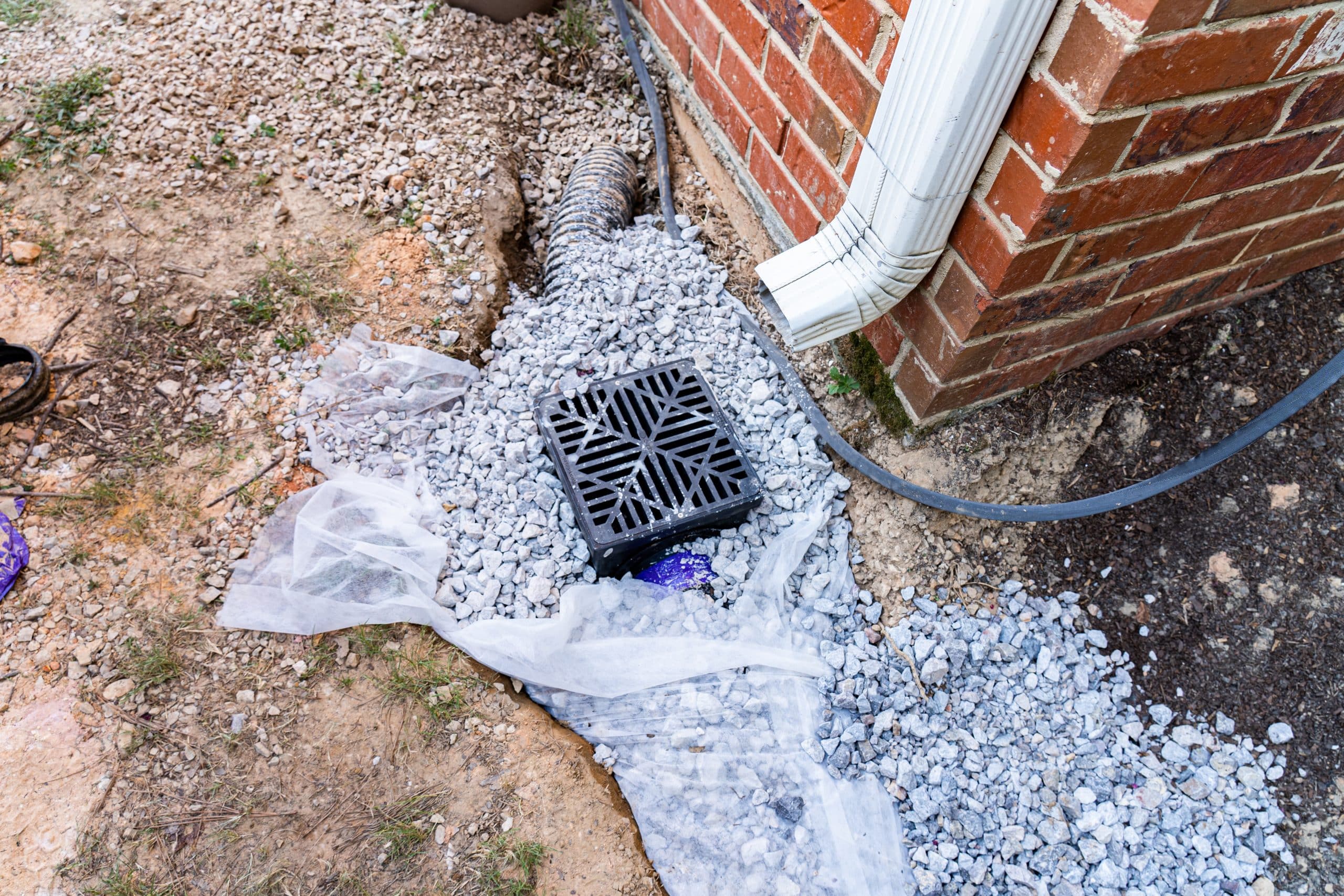
- Extend Downspouts: Many drainage issues in Durham and Raleigh are caused by gutters dumping water directly at the base of the home. Moving that water just 5–10 feet away via underground extensions can solve 50% of moisture problems.
- Consult the Professionals: Before you list, it is worth having a site assessment done. Reputable drainage companies can provide a professional plan—or better yet, a receipt for repairs—that you can show to prospective buyers to prove the home is structurally sound and water-tight.
FAQ
1. How can I tell if my yard has a drainage problem before an inspector finds it?
The most obvious sign is standing water that remains for more than 24 hours after a typical North Carolina rainstorm. However, more subtle signs include “spongy” turf, areas where grass won’t grow, or white, powdery stains (efflorescence) on your crawlspace or basement walls. If you see cracks in your exterior brickwork or interior drywall, those are often symptoms of soil expansion caused by poor drainage.
2. Will a French drain actually increase my home’s resale value?
While a French drain might not increase your “appraised” value like a kitchen remodel, it protects your market value. In the Triangle, savvy buyers often walk away from homes with moisture issues. Installing a professional drainage system ensures you don’t have to slash your asking price or offer massive “repair credits” during the due diligence period.
3. Why is “Carolina Clay” such a big deal for my home’s foundation?
Unlike sandy soil, our local red clay is “expansive.” It holds onto water, causing it to swell and put immense pressure on your foundation walls. When it finally dries out, it shrinks, creating gaps that allow the next rainstorm to pour directly against your footings. This constant “push and pull” is what leads to structural failure over time.
4. Can’t I just add more soil to the low spots in my yard?
Adding soil (top-dressing) is a temporary fix that often masks the symptom rather than curing the disease. Without proper grading or a dedicated exit point for the water, you are simply moving the puddle from one spot to another—or worse, pushing that water toward your neighbor’s property, which can lead to legal headaches.
5. How much does a professional drainage assessment cost in the Triangle?
Many local companies offer initial site visits or consultations. While a full engineered plan for a complex lot may have a fee, a basic assessment to identify “red flag” issues before you list your home is a small investment that can save you thousands of dollars in lost equity during a failed home inspection.
The Bottom Line
In a market where “Due Diligence Fees” are high and buyer expectations are even higher, don’t let a rainy day ruin your closing. Taking care of your yard’s water flow now ensures that when the inspector arrives, the only thing they’ll have to talk about is how well-maintained your home truly is.

